
Criterion Month Day 9: Journey To Italy

Journey To Italy (1954)

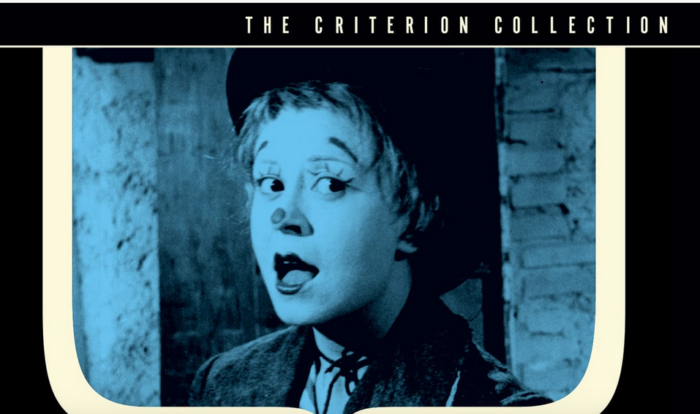
As you explore the outer edges of the Criterion galaxy as we do each year, you often are reminded of what a momentous movement the French New Wave was to the cinema world. Not just because there are so many French New Wave films in the Criterion Collection (and by extension the classic and arthouse cinema cannon), but also because there are so many important films that were either influenced by or ended up influencing the French New Wave. Today’s film falls into the latter category, as it wasn’t a huge hit in Italy or internationally when it came out, but it was championed by the critics at Cahiers Du Cinema that would soon start directing movies of their own. It also must be a film that had at least somewhat of an impact on Italian cinema, since it’s hard not to think of Antonioni’s L’Avventura while watching the couple at the heart of this story aimlessly search for meaning against the backdrop of coastal Italy. Continue reading
Criterion Month Day 7: Godzilla

Gozilla (1954)

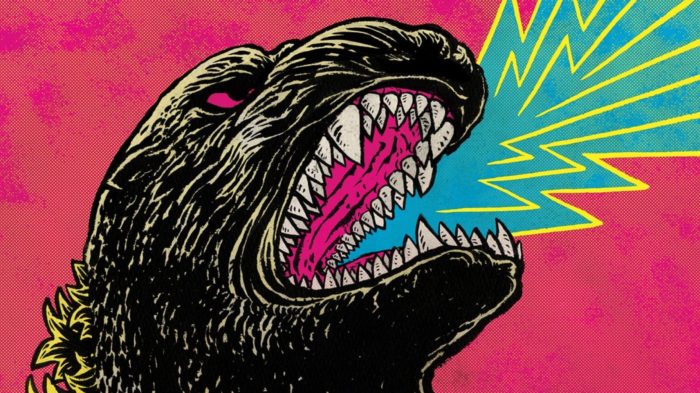
The Criterion Collection made a big deal out of spine #1,000 by releasing their biggest box set yet: Godzilla: The Showa-Era Films, a collection of the first 15 Godzilla movies. (The title refers to the period of Emperor Shōwa’s reign.) The set comes in an oversized hardcover book filled with dozens of beautiful illustrations and essays that make it equally at home as a display piece on the mantle or a coffee table book. I’m proud to own it and show it off… but I do have one dark secret: I’m not sure I deserve to own such a exquisite prize. You see, before this month, the only Showa-Era movie I’d seen is the first King Kong vs. Godzilla. And now that I’ve finally watched the original Gozilla, I don’t foresee see myself checking out the other 13 movies any time soon. That’s not great, because if I was just going to watch the first one, Criterion already released that forever ago. Let me try to explain why my eyes are bigger than my stomach when it comes to kaiju movies.

Continue reading

Criterion Month Day 6: Stray Dog

Stray Dog (1949)

We watch some heady stuff for Criterion Month. You know, films that make you feel stupid. Or at least make me feel stupid. What I love about Akira Kurosawa is that he feels like the workingman’s Criterion filmmaker. He makes beautiful films with profound statements and ideas but they are also very entertaining. Kurosawa is never boring. His films move quick (even his longer ones) with tight scripts, action, suspense, and a lot of people getting pissed off at other people. In most cases, one of those people is Toshiro Mifune. Kurosawa is one of the few filmmakers in the Criterion Collection that I will happily watch outside of Criterion Month and he’s got a lot of good films to choose from. Stray Dog is one of them.

Continue reading

Criterion Month Day 5: Dance, Girl, Dance

Dance, Girl, Dance (1940)

Like a lot of somewhat snobbish institutions, it seems that Criterion has made an effort to make representation a cornerstone of its business in the past few years. This is what has (thankfully) led to an overlooked director like Dorothy Arzner having some of her films recently enter The Collection, as Arzner was essentially the only female director working in Hollywood during the ’30s and ’40s. This could lead one to ask whether Arzner’s work is only worth revisiting just because she was the first to do it. However, that question becomes silly when you take into account that most barrier-breakers are able to do so because they’re so impeachably talented that the gatekeepers of their industries are forced to reckon with them. Continue reading

Criterion Month Day 4: Things To Come

Things To Come (1936)

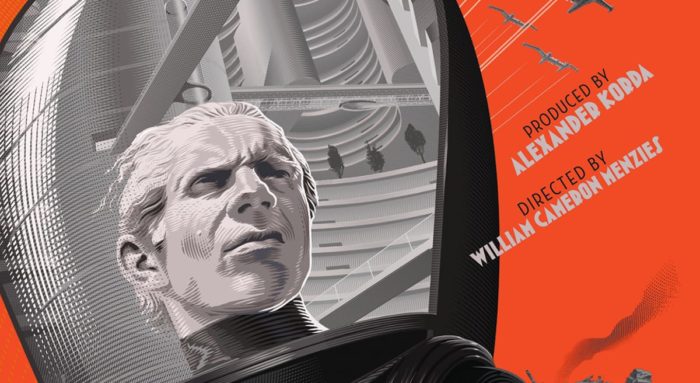
I was not expecting a science fiction movie from the 30s to be at all relatable, but after living through the most apocalyptic year and a half I can remember, that wasn’t the case. While Things To Come deals mostly with the very 20th century threat of constant war, it also manages to pack in a section where humanity is burdened by “the wandering sickness”, which uh, may sound a little familiar. Maybe it’s not so brilliant that a science fiction film would include a deadly virus since they have plagued civilizations for centuries. But it does add another layer of thoughtfulness when the film already does a harrowing job of predicting that a widespread war could have devastating effects on the world just a few years prior to the outbreak of World War II. Continue reading

Criterion Month Day 3: Dos monjes

Dos monjes (1934)

“Dos monjes” (Two Monks)
(Sung to the tune of “Two Princes” by the Spin Doctors)

One, Two Monks is a movie
from Juan Bustillo Oro
Two Monks, who really hate each other
In a drama from Mexico now
One thinks the other stole his lady
Many years before now
The other said I think you’re crazy
But he got beat with a cross, now

This film has German Expressionism
That’s what I said now
Dutch angles and lots of symbolism
How ’bout that now
Two Monks is a split narrative movie
How ’bout that now
In flashbacks, we see both sides the story
Like Rashomon, now

Who is wrong? Who is right?
The woman they loved got shot one night
She was just trying to break up their fight
But I know what a Monk and lover ought to be
I know what a Monk and lover ought to be

(Scat Interlude)

3 1/2 Stars.