C.A.T.: Marquee Moon

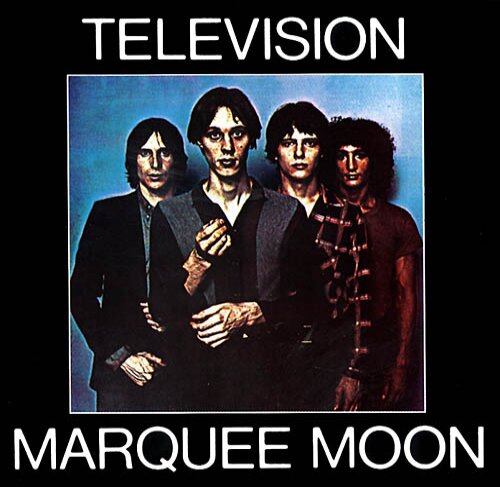
Television – Marquee Moon (1977)

Since John took it upon himself to resurrect Classic Album Tuesdays, I figured I’d join in on welcoming back the CAT This week I’ll take a look at an album that I’m surprised I never mentioned on the blog before, considering it’s always been one of my all-time favorites ever since I first heard it back in the summer of 2005.

Television came out of the New York CBGB scene that produced artists such as Talking Heads, Patti Smith Group, and The Ramones among others. None of those bands have a whole lot in common, but Television may have been the most unique out of all the artists to come out of that scene. Where a lot of the New York bands where in favor of rejecting the instrumental complexity of the “arena rock” bands of the time, Television embraced their musical prowess and yet managed to create a sound all their own.
On their debut Marquee Moon, you can certainly hear traces of the punk aesthetic that a lot of their contemporaries where exploring. But I think at the heart of it, Television where less angsty young rebels and more just a bunch of disillusioned guitar nerds. And what they created with Marquee Moon is if not one of the best, certainly one of the most influential guitar albums ever recorded. I mean you can hear the influence of Television on the guitar work of everyone from U2 to The Strokes.
The dueling guitar work of Richard Lloyd and singer Tom Verlaine relies on a very clean sound combined with these very un-rock n’ roll musical scales that give the songs an almost etherial sound. This approach culminates on the album’s title track, a nearly 11-minute jam that is probably one of my favorite songs of all-time, despite the fact that I rarely enjoy listening to rock musicians “jam”.
Hey, this week I did an album from 1977 and last week John did one from 1976, maybe next week someone should do one from 1978. Just a thought.
Favorite Tracks: “See No Evil”, “Marquee Moon”, “Guiding Light”

C.A.T: Hotel California


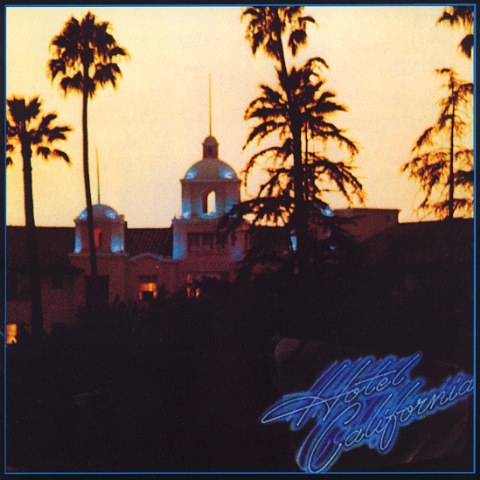
Eagles – Hotel California (1976)
The Eagles are playing at Key Arena this week and although I’m not going I’ve definitely had them on the brain. I feel like the Eagles don’t get a lot of respect on this blog so I’l go ahead and personally honor them with the first “Classic Album Tuesday” since August.

Easily the most defining work of one of the great American rock bands. Hotel California saw the Eagles at their commercial and creative peak. Coming off the release of the most successful greatest hits album of all time, the Eagles surprised everyone with even more hits including what is now considered their signature song.

With the departure of founding member Bearnie Leadon, Hotel California would see the addition of guitarist/vocalist Joe Walsh, formerly of The James Gang. This would provide the Eagles with an even harder edge on heavy rockers like “Victim of Love” and popular radio staple “Life in the Fast Lane”. Though you can never count out the Eagles ability to weave a heartfelt ballad. The Joe Walsh penned “Pretty Maids All in a Row” is pleasant easy listening and the same can be said for bassist Randy Meisner’s country flavored “Try and Love Again”. Hotel California also contains what maybe my all time favorite Eagles’ song in “New Kid in Town” the album’s leadoff #1 single sung by Glenn Frey.

And then there’s the album’s title track, one of the greatest rock songs of the seventies. Based off of a chord progression by guitarist Don Felder “Hotel California” is a rock masterpiece with it’s inter-playing guitars and picturesque lyrics. Don Henley belts it out with his rough around the edge vocal style and it’s simply the perfect rock song, nuff said.

Favorite Tracks: “Hotel California”, “New Kid in Town”, “Victim of Love”

Retrospecticus: Jon Favreau

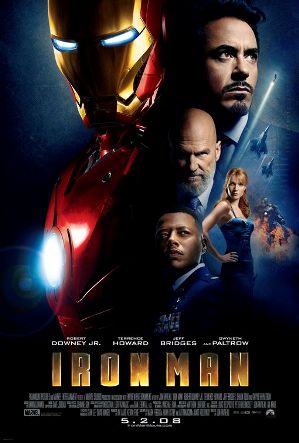
OK. I’m not going to be the only one not to do a Retrospecticus. So we’re going to take a short look at the career of director Jon Favreau. Why? Iron Man 2 comes out on Friday. Good enough. Favreau’s not exactly a prolific director, but I certainly enjoy his work. Are you going to complain about this? No. You’re not.

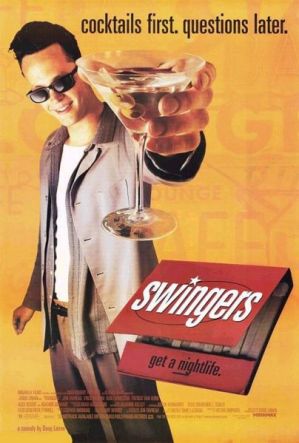
Swingers (1996)

While he didn’t direct Swingers, Favreau did write and star in the movie, and for all intents and purposes, his career starts here. This is a manly movie about single men of the 1990s trying to make and name for themselves and survive on the Hollywood dating scene. The movie made Vince Vaughn a star as Trent, a smooth operator who knows all the moves and rules necessary to seduce a dame. But our hero is Favreau as the timid, lonely Mike. Mike is recovering from a tough break up and has a hard time making new connections, much to his friends’ chagrin. This is definitely a guy movie, and watching these characters talk about dating strategies, play video games, and ridicule each other is a lot of fun. With a ton of pop culture references and cinematic homages, this isn’t necessarily genius-level material, but it is very entertaining. Kind of a theme for Favreau’s career.

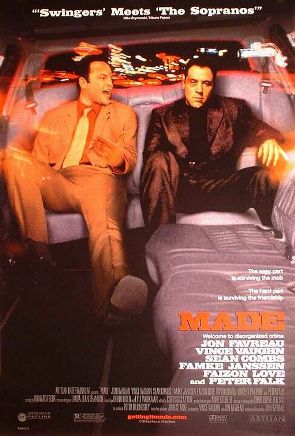
Made (2001)

In my experience, Made doesn’t have much of a rep, good or bad. Which is a shame, since it’s actually a really solid comedy. You could call it Swingers as gangsters, since this is another movie that depends entirely on the interplay between Favreau and Vaughn. Favreau is once again the straight man, a L.A. mobster tough guy named Bobby who has to redeem himself after he roughs up the wrong guy. His boss sends him to New York on a job, and he brings his lifelong friend Ricky (Vaughn) with him. They get into some wacky situations, but the movie is all about Bobby and Ricky arguing with each other. Ricky is the main comedic attraction, as when he’s not fighting with Bobby, he’s making an ass of himself with everyone else. The movie also features a number of recognizable faces, including Sam Rockwell and Sean Combs. Good stuff.

Elf (2003)

Already a Christmas classic, it’s hard to believe Elf is almost seven years old. It’s also surprising that this is only Favreau’s second stint behind the camera, as he is as capable as ever. That said, this movie totally belongs to Will Ferrell. His portrayal of Buddy, a human that was raised by Santa’s elves, is so endearing that I’ve yet to meet a person who could resist his charms. Whether he’s sitting on Bob Newhart’s lap or eating a disgusting breakfast, you just gotta like the guy. I have a hard time criticizing the film because I’m perfectly content with it as it is. Yes, the ending is pretty weak. And yes, you shouldn’t ever compromise or “take of your critic hat,” but let’s face it, you’re going to be stuck watching something on Christmas. I’m more than happy to welcome it into the pantheon of consistently enjoyable holiday movies.

Zathura: A Space Adventure (2005)

After the success of Elf, studio heads must have declared Favreau a family-friendly film savant, so they put him in charge of the Jumanji successor Zathura. Just like the 1990s hit, this film puts some bickering children in very real danger when the events described in an old board game start happening in real life. The movie starts out with a references to Milton Bradley (the ballplayer), which I appreciated. Tim Robbins is dad and Kristen Stewart is big sister, but the stars are two little boys played by Jonah Bobo and Josh Hutcherson. Also Dax Shepard is an astronaut. This certainly is not a masterpiece, but for a kid’s movie, it’s fine. I never really liked either of the child actor stars. Frankly the movie is too long as well, it didn’t really hold my attention for a meaty chunk in the middle. But it’s not that bad. I just wouldn’t be in a hurry to see it. I only saw it so I could do this post.

Iron Man (2008)

Much like Elf, Iron Man is a movie propelled by its star. This time, it’s Robert Downey, Jr. as the eponymous hero, but more importantly his alter ego Tony Stark. It’s rare for a modern comic book movie to rely so much on comedy, and even rarer for it to work so well. But beyond the amusing bits, Iron Man also manages to pack in some pretty sweet CG sequences. Remember when he goes back to Afghanistan and just wipes those dudes out. That was pretty neat. Also like Elf, the ending was a little disappointing. Except for the very end of the movie, when Stark proves why he’s a different kind of super hero. This was the beginning of the Marvel push for an Avengers movie, and frankly, as long as RDJ keeps playing Iron Man, I’ll be happy.

This brings us to today. Just a couple days away from Iron Man 2, and only a couple years from the amazingly-titled Cowboys and Aliens.

Retrospecticus: The New Pornographers

I was working on this and thought it would make Colin shit the bed if I made it three retrospectici (plural?) in a row. My all time favorite alternative super-group is coming out with a new album tomorrow. I’m glad I pre-ordered it on iTunes so that they can bill me when it comes out.

http://images.uulyrics.com/cover/t/the-new-pornographers/album-mass-romantic.jpgMass Romantic (2000)
 

This is probably the album I listen to the least, but by know means is it the worst. You can tell that the band has not really found it’s identity with this first release and kind of almost stumbles their way into power pop prowess.

Leading off with the swinging title track sung by Neko Case, the album is filled with upbeat songs that no one is quite sure what about. Filled with crunchy guitars, sweet harmonies, and plenty of synth to go around, the BC native hipsters found a new sound that does not resemble the bands from which they came.

Like all the albums, vocal duties are split up between AC Newman, Case, and Dan Bejar (that dumb guy that no one likes quite as much). It was rated #24 on the list of Greatest Indie Albums of All Time by Blender Magazine in 2007. Pretty good eh?

Favorite Tracks: “Mass Romantic”, “Slow Decent into Alcoholism”, and “The Mary Martin Show”.

http://www.zulurecords.com/discorder/graphics/may2003/may/newporn.jpg Electric Version (2003)
 

Realizing that none of their solo projects were nearly as good as what they were doing together, they came back and made this. More of the same stylistically, but improving on every aspect. While “Mass Romantic” was a good first attempt, “Electric Version” really let everybody know that they had arrived. It even has the Rock Band song!

The one complaint is that this is the album that it seemed like Neko Case was getting less and less air time. I really wish I liked her solo stuff more, because she really thrives in this style of music. Newman’s great, Bejar less so, but Case is just the best. She doesn’t take part in songwriting as far as I know. Maybe Newman should just write all of her solo stuff. Yeah that would work!

So basically it’s a more perfected version of “Mass Romantic.” Sweet. Super sweet.

Favorite Tracks: “The New Face of Zero and One”, “From Blown Speakers”, “Miss Teen Wordpower”.

http://img0.liveinternet.ru/images/attach/b/2/23/569/23569048_1.jpgTwin Cinema (2005)
 

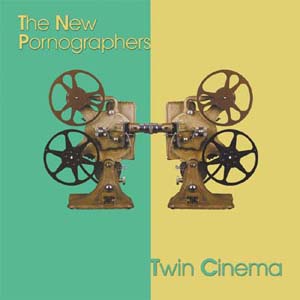
This is the first New Pornographer album I physically bought. I remember very vividly going to Best Buy and being like, “Yeah this is awesome.” I remember seeing the cover and being like, “Yeah this is awesome.” Then I listened to it and I was like, “Meh, this is pretty good.”

Definitely my least favorite of the the four, Twin Cinema built off the success of “Electric Version”, but unfortunately the songwriting just was not as strong. It is almost as if they tried to change their approach musically, but changed their mind half way through and tried to revert to their old ways.

It’s not as if it is a bad album, but it’s just not one I go out of my way to listen to. There are definitely some tracks that stand out like the title track and “Jackie, Dressed in Cobra’s”. Maybe I’m being too hard on it, but maybe not.

Favorite Tracks: “Twin Cinema”, “Jackie Dressed in Cobras”, and “Bones of an Idol”.

http://1.bp.blogspot.com/_UPiF2vB06qE/SrO9Du3xXCI/AAAAAAAAAD0/Wq1rdle_CLQ/s320/NewPorn_Challengers.jpgChallengers (2007)
 

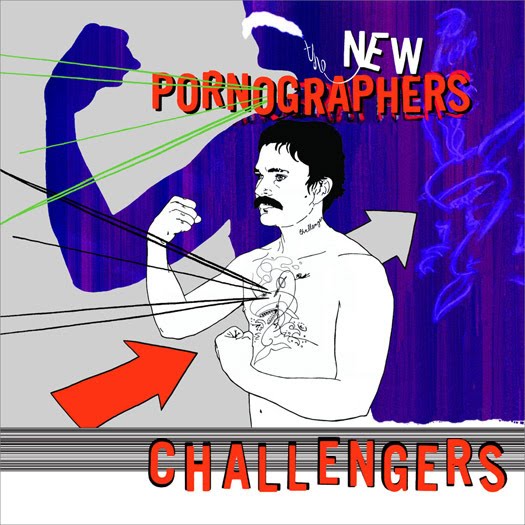
This time they changed their approach musically, and it worked! I’d say the same energy is still present in their rocking ways, but there is definitely a different feel. The instrumentation is much more natural replacing the synthesizers with brass and strings.

Emotionally I think it is a much fuller album. Not necessarily lyrically, but again the feel makes it seem like they are not just out to have fun anymore. Unlike the first two albums where it made you feel like dancing and partying, this makes you want to stand up and fight for something that you are not quite sure what it is yet. All of this sounds strange, but it makes sense in my head. My favorite part in the whole album, maybe in their whole discography, comes in “Adventures in Solitude” when the violin does a beautiful transition into the bridge/chorus and Case takes over the vocals. One of my favorite melody’s ever right there.

I think this is going to be a tough act to follow, but I am glad they won back my fandom with “Challengers”.

Favorite Tracks: “My Rights Versus Yours”, “All The Things That Go To Make Heaven and Earth”, “Go Places”, and “Adventures in Solitude”.

So I guess Pre-Ordering an album on iTunes means that when you try to download it it does not work. So yeah. iTunes, give me my money back.

Retrospecticus: The Hold Steady

Seems kind of wierd to do two retrospecticuses in a row, but it’s been a while since we’ve had a music retrospective posted on this blog, like over a year. So let’s take a look back at the albums that have thus far been released by The Hold Steady, a band who really haven’t been around for that long, but have already built up a pretty impressive discography.

Almost Killed Me (2004)
After the disbanding of Minneapolis-based band Lifter Puller, lead singer Craig Finn and guitarist Tad Kubler moved to Brooklyn, NY. They decided to start a band, a band without any expectations of playing shows, or making records, or really being able to make any sort of living out of this band as both of them were already in their 30’s and working full-time jobs. This was the genesis for The Hold Steady’s first album, Almost Killed Me.
The album is about as raw and visceral of a take on classic rock as you could ask for as Kubler’s blistering guitar riffs are at the musical forefront of the album. This is all counterbalanced by Craig Finn’s hyper-literate lyrics featuring accounts of “killer parties”, dangerous drugs, and obscure rock n’ roll references, all delivered in a vocal style that’s probably closer to talking than singing. You can definitely see that the band wasn’t exactly thinking of the pop charts when they wrote these songs as they rely more on the clever one-liners and puns of Craig’s lyrics and the band’s raw energy rather than catchy melodies. But it’s this raw rock n’ roll aesthetic along with their booze-fueled lyrics that earned The Hold Steady the label of “world’s greatest bar band”.
Favorite Tracks: “The Swish”, “Most People Are DJs”, “Hostile, Mass.”

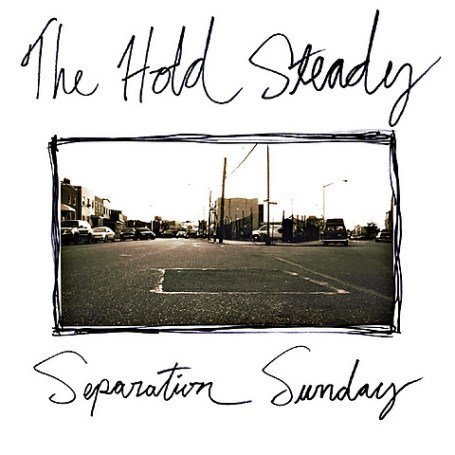
Separation Sunday (2005)

This was probably The Hold Steady album that took me the longest to really get into. I’m not really sure why, because it could very well be their finest hour. From the moment the album starts with the lone sound of Craig Finn’s voice you can tell that this is gonna be a “lyrics album”. Finn expands on the lyrical approach he established on The Hold Steady’s debut by turning out what is basically a loose concept album filled with a slew of recurring characters and Catholic overtones.
However, it’s not just the lyrics that help broaden the scope of The Hold Steady’s sound on Separation Sunday. Keyboardist Franz Nicolay joined the band prior to this album, and his work definitely adds some depth to The Hold Steady’s still very guitar-driven sound. I’m really quite amazed with the way this band can take everything you thought was dead about rock music and sound completely alive and exhilarating. I mean look at the song “Banging Camp”, it starts with a guitar riff that sounds like a riff you’ve heard a million times before, and by the end of the song they’re able to make that same riff sound like the most triumphant thing you’ve ever heard.
Favorite Tracks: “Your Little Hoodrat Friend”, “Banging Camp”, “How A Resurrection Really Feels”

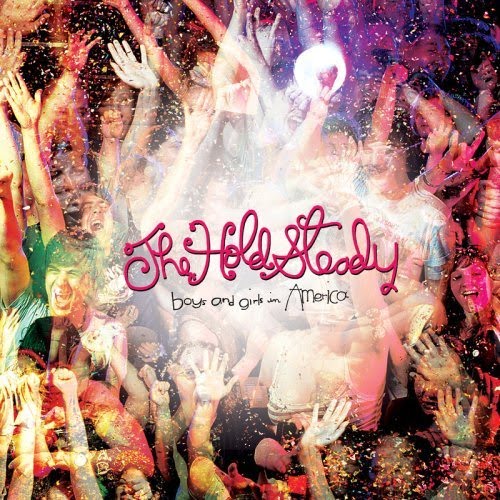
Boys And Girls In America (2006)

And just a year after releasing Separation Sunday, The Hold Steady somehow managed to match that album’s greatness with Boys And Girls In America. The album starts with “Stuck Between Stations”, which is probably one of my favorite songs ever, and pretty much defines what this band is all about while displaying the more Springsteen-like approach seen on Boys And Girls In America.
You can definitely see why this was the album that started to bring more attention to this band, considering it’s probably the most accessible of their albums. At the forefront are lots big choruses and “whoah-oh” back-up vocals, while Craig Finn’s vocals are closer to singing than his signature brand of sing-speak. The Hold Steady certainly went for a more polished sound on this album, but they never sound like they’re selling out. With songs like “Chips Ahoy!” and “Massive Nights”, The Hold Steady manage to rock your socks off while they also pull off some great ballads like “First Night” and “Citrus”, and the rest of the songs find that sweet spot in between. If you didn’t check this album out after seeing it on my Top 10 of the decade, well maybe it’s time you rethink that foolish decision.
Favorite Tracks: “Stuck Between Stations”, “Chips Ahoy!”, “Party Pit”

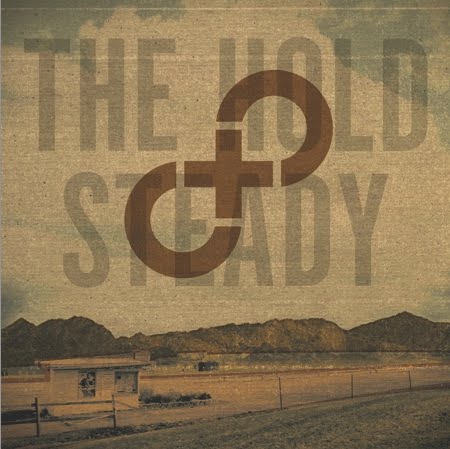
Stay Positive (2008)

This was the album that made me a Hold Steady fan. However, as I explored the rest of their discography it slowly has become my least favorite of their albums, but it’s still chocked full of great material nonetheless. Songs like “Navy Sheets” and the album’s title track rock about as hard as anything this band has done so far, but what I really like about the album is the more reflective songs like “Lord, I’m Discouraged” and “Magazines”.
Craig Finn has said that his lyrics are not very personal, but I can’t help but feel like on Stay Positive he starts to tangle with his own ideas about getting older while still trying to create joyous rock n’ roll. Really the only thing that kind of bugs me about this album is its somewhat muddy-sounding production, but besides that there’s plenty of the great energetic anthems that The Hold Steady have are so good at banging out.
Favorite Tracks: “Sequestered In Memphis”, “Magazines”, “Slapped Actress”

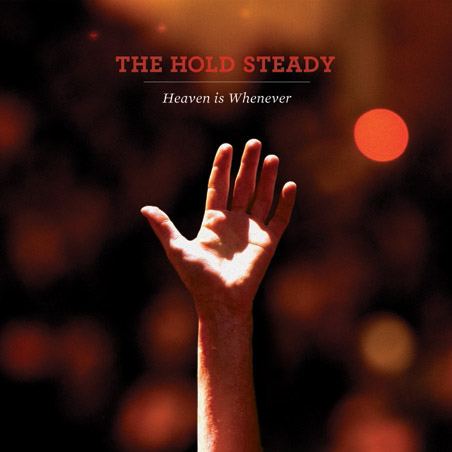
Heaven Is Whenever
I’ve had the chance to listen to a few songs off The Hold Steady’s forthcoming album, with “The Weekenders” being my favorite track so far. From what I’ve heard, Heaven Is Whenever looks to be another example of The Hold Steady expanding on their sound while still keeping that same raunchy bar band feel. It’s been a while since I’ve actually gone to a record store and bought a CD on it’s release date, but I think I might do that for this newest release from The Hold Steady. In my eyes they’ve earned it.

Retrospecticus: The Dead Series


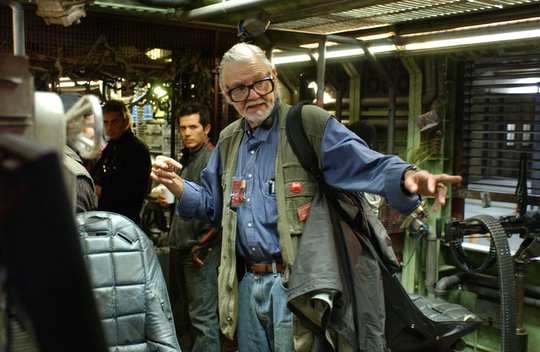
For 42 years George A. Romero has scared the bejeezus out of audiences with his army of the undead. From the groundbreaking Night of the Living Dead to his latest indie installment Survival of the Dead, he’s clearly established himself as the premier authority on zombie films. Combining dark humor with gore and underlying political commentary, no one can put em out like Romero and he’ll never be surpassed in the zombie genre.

In celebration of his latest release, currently on “On Demand” and to be released to limited theaters in May, I present you with a retrospective of his spooky series thus far.


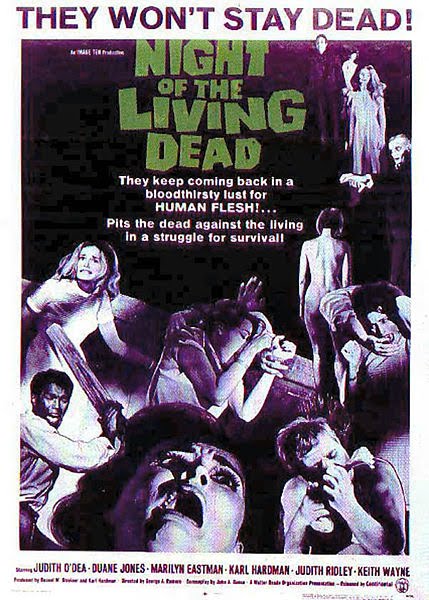
Night of the Living Dead (1968)

: What can I say that I haven’t already about Night of the Living Dead? Were talking about the progenitor of the modern zombie genre as we know it. A group of people, held up in a farm house, fighting off the undead. So simple you wonder why it had never been done before. It may not be as impressive by today’s standards but you have to remember where this film was coming from. A fearless independent film with much to say about “American society, Cold War politics and domestic racism”. Those were the words of critics and moviegoers alike. It just goes to show you the impact it had as both a groundbreaking piece of intelligent indie filmmaking and as a classic horror flick.


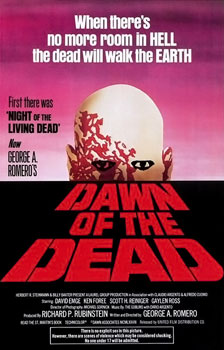
Dawn of the Dead (1978)

: Years later when Romero was visiting the Monroeville Mall in Pennsylvania, he was inspired to use the setting and what better subject could occupy the mall than the walking dead? This would go on to be the highly successful 70s hit Dawn of the Dead one of my favorite horror films. Again pitting a a group of survivors (led by Kenan’s dad from Kenan and Kel) defending themselves from zombies, although this time in enormous surroundings. Dawn would prove to be a landmark in makeup effects (by Tom Savini) and the genre in general. Filling the script with hits at modern day consumerism and the excess of the seventies, this film goes deeper than your average gorefest and is a must see.


Day of the Dead (1985)

: Originally envisioned as Romero’s epic of Gone With the Wind proportions, Day of the Dead fell somewhat short of expectations but over time has cemented it’s status as a cult classic. Set in and around an underground military base in Fort Myers, Florida. Day of the Dead told the story of a group of scientists and soldiers trying to find a cure, or at least solution to the zombie pandemic. Romero describes this one as “A tragedy about how a lack of human communication causes chaos and collapse even in this small little pie slice of society”. Personally I’ve always thought it was the scariest installment and it’s definitely worth checking out for Tom Savini’s outstanding effects.


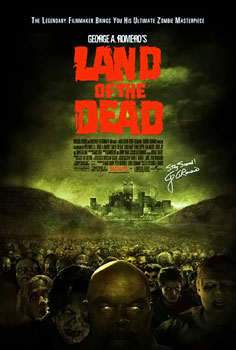
Land of the Dead (2005)

: Almost twenty years passed before production started on Romero’s fourth installment. Romero had worked on a script years back but it was until the new millennium that he’d realized how culturally relevant it had become. Land portrays a post-apocalyptic city torn into two halves. One is the luxurious yet immensely exclusive city “Fiddler’s Green” run by the selfish Paul Kaufman (Dennis Hopper.) While the other half of the population must live in the poverty stricken ghettos on the outskirts. Meanwhile we see the zombies as they start to evolve. Learning to use weapons and grasp simple concepts. All wrapped up it’s a witty and dark piece of action/horror and Romero’s first film to have some well known stars. Aside from Dennis Hopper, Simon Baker (from that show The Mentalist) stars as the hero and John Leguizamo is solid as a weapons clad street rat. It’s a surprisingly entertaining zombie movie that turned out to be both a critical and box office success.


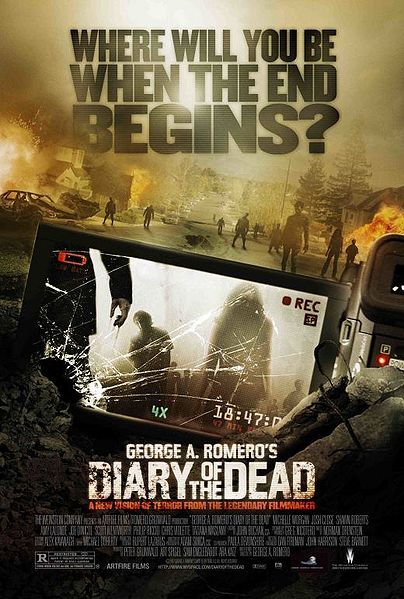
Diary of the Dead (2008)

Easily the weakest of the series is the handheld melodrama that is Diary of the Dead. I already reviewed it once on this blog so I’ll keep this short. This installment follows a group of young filmmakers making a horror film when all of a sudden, you guessed it! Zombies start to appear and wreak havoc. This was basically Romero’s attempt to satirize the Youtube generation but it doesn’t feel like Romero is still in sync with younger audiences. His portrayal of young adults feels forced and unnatural. Not to mention the shaky cameras really don’t add much to the experience. It was kind of a neat idea but it just came off as cheesy and amateur, not god awful just disappointing.


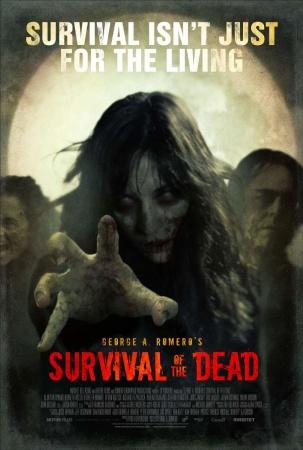
Survival of the Dead (2010)

: After Diary I pretty much accepted that Romero was past his prime. I didn’t have much interest in another installment but being that Paul is such a super fan I knew I’d see this somehow. Miraculously, I liked it very much, probably even more than Land. What’s great about Survival of the Dead is it’s approach to create conflict out of characters we care about. Sure some of the folks here are a little over-the-top but it’s fun to watch and made even better by throwing in everybody’s favorite rotting corpses. Survival tells the story of two feuding families the O’Flynns (who want to exterminate all the zombies) and the Muldoons (who wants to cure the zombies) trying to get along, living on an island off the coast of Delaware. Bring a small group of survivors into the mix and things get messy. It’s a clever idea with some great entertainment, that’s really only brought down by the slight silliness of the two family heads (Patrick O’Flynn and Seamus Muldoon), both of which are for some reason Irish. All in all it’s a well made independent feature that’s a welcomed installment to the series.

How many more will Romero make? Who knows but I’m glad to see he still has zombie related stories that are worth telling. This is the kind of stuff I hope to see when AMC and Frank Darabont do their upcoming zombie series The Walking Dead due out next October. As long as they follow the Romero guidelines they’ll be sitting pretty.

Retrospecticus: Martin Scorsese

I was kind of going back and forth on whether it was worth it to commit to such an ambitious post. But with Shutter Island coming out this weekend, I figured I probably won’t get as good a chance to pay tribute to one of my favorite filmmakers and perhaps the world’s greatest living director, Martin Scorsese.
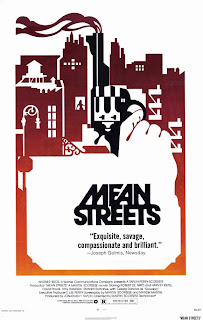
Mean Streets (1973)

I’ve only seen about half of Scorsese’s first film Who’s That Knocking At My Door and haven’t seen Boxcar Bertha, but this is undoubtedly Scorsese’s first important film and the one that established him as a cinematic force to be reckoned with. In Mean Streets, you can see all of Scorsese’s signature touches: the rapid fire editing, the violence, the themes of Catholic guilt, the rock soundtrack, and Scorsese’s already astounding visual prowess. The film paired Scorsese once again with Harvey Keitel (who starred in Scorsese’s first film) and marked the director’s first collaboration with Robert DeNiro, who gives just one of the many great performances he would give during the ’70s. There’s a certain looseness to the film as a lot of it has this improvised feel and there really isn’t a whole lot of plot to speak of. But Scorsese seems like he’s never been too concerned with story, and Mean Streets is a prime example of his ability to just completely immerse you in this fast-paced, dangerous life style.
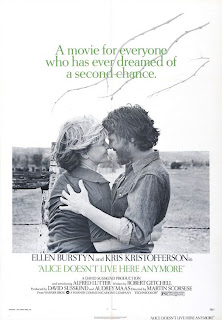
Alice Doesn’t Live Here Anymore (1974)

This film’s a little bit of an anomaly in Scorsese’s early career, but already shows him exhibiting a certain amount of versatility as a director. It seems like despite the rise of the feminist movement in America in the 1970s, there’s only a handful of films of that era that reflect this changing of ideals, and this is certainly one of the best examples as Ellen Burstyn stars as a widow trying to pursue her dream of becoming a singer while dealing with the baggage of being a single mother. The film’s ending kind of underpins the film’s feminist message, but it’s filled with some great performances and helped break Scorsese further into the mainstream while helping Burstyn win an Oscar for her performance.
Taxi Driver (1976)

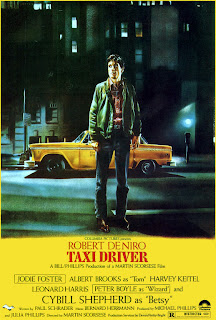
I don’t think I could ever say that Taxi Driver is one of my favorite films due it’s bleak subject matter, but it’s a film that I’m absolutely fascinated by every time I see it. It’s just an absolutely perfect collaboration between screenwriter Paul Schrader, Scorsese, and Robert DeNiro in one of his most brilliant performances. Taxi Driver paints one of the most haunting and masterful portrayals of alienation by giving us one of the cinema’s most iconic anti-heroes, the seriously disturbed Travis Bickle. And the film is first and foremost a unrelentingly dark character study, but also stands as a document of what a truly nightmarish place New York City had become during the ’70s. I’m having a hard time thinking of anything that hasn’t already been said about this film, but it’s in my opinion one of the best films to come out of the ’70s and if you haven’t seen it you should, I’m talking to you Seeeaan.
New York, New York (1977)

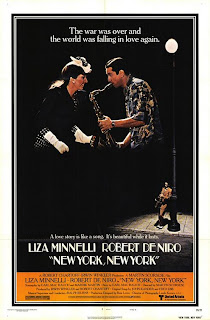
Coming off of the success of Taxi Driver, with New York, New York, Scorcese set out for something a little more ambitious, and this is one of the few times Scorsese’s ambitions have gotten the best of him. Though New York, New York isn’t without it’s merits, I can’t help but look at it as a noble failure. The film tries to pay homage to the MGM musicals of the 40’s and 50’s with it’s colorful set design, but Scorsese fuses this with his darker character-driven tendencies, and these two clashing styles really can’t help but make the film feel a little uneven. Liza Minnelli gives quite a good performance, but DeNiro’s performance just seems a little out of place in a film like this. Still, even in a slight misfire like this film, Scorsese’s visual playfulness is still intact, plus you gotta love the film’s famous title song.

Last Waltz (1978)

I wasn’t really sure whether to include any of the documentaries Scorsese directed, but it’s hard to deny that The Last Waltz ranks among the best rock films ever made, so I figured it was worth including. For those that don’t know, The Last Waltz documented the final performance of The Band before they decided to go their separate ways and brought together some of the biggest names in rock for this final performance. What makes this film stand out, besides it’s inclusion of so many great artists is the way Scorsese’s cameramen capture the concert in such a thorough and intimate way. I think this was actually the first Scorsese film I ever saw, and I’m kind of having a hard time remembering a lot about it, but I can’t remember any other time that I was as impressed with a concert film, and I’ve seen quite a few.

Raging Bull (1980)

After the box-office failure of New York, New York, Scorsese supposedly sunk deeper and deeper into cocaine addiction, and it was Bobby DeNiro who convinced Scorsese to take on this story of boxer Jake LaMotta. I think I’ve heard that Scorsese believed Raging Bull would be his last film, so in turn set out to make it the best film he could possibly make. Well, I think Scorsese achieved that goal and then some, as Raging Bull is probably the most mesmerizing film Scorsese has ever made, and truly an American classic. The boxing scenes in this movie are among the most frightening and visually stunning depictions of the sport ever put to film, and the more dramatic scenes are handled with the intensity of a truly magnificent director. However, much of the films brilliance has to be owed to Robert DeNiro who throws himself completely into a character that’s hard to like, but even harder to take your eyes off.

The King of Comedy (1982)

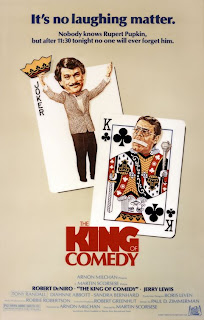
This is one of Scorsese’s films that I’d kind of like to see again. I remember being rubbed the wrong way a little bit by The King of Comedy, as I kind of felt uncomfortable about the tone of the movie. It’s almost hard to watch some of the scenes in The King Of Comedy as DeNiro plays another borderline psychotic who is obsessed with a talk show host whom he basically stalks throughout the whole movie. Jerry Lewis gives a very good performance as the aforementioned talk-show host and I think Scorsese has said that this film contains his favorite performance of DeNiro’s, and I can kind of see why, but he’s still more or less doing a variation on Travis Bickle. It seems like the rest of the 80’s were filled with films that were interesting, but not among Scorsese’s best work, and though some would say this film’s better than that, I can’t help but feel like this is a minor work.

After Hours (1985)

Definitely not one of Scorsese more well-known films, but one that I’m still fond of. After Hours shows Scorsese exploring somewhat lighter material after the dark character studies The King of Comedy and Raging Bull, with a story chronicling one crazy night in the life of Paul Hackett, played not by Robert DeNiro, but Griffin Dunne of all people. It’s a modest little film, but one that still shows Scorsese’s ability to still pull off smaller, more independent features in a decade ruled by box-office spectacle.

The Color of Money (1986)

I’m pretty sure I’ve read that Scorsese has said that he did this sequel to the 1961 film The Hustler just so he could get funding for The Last Temptation of Christ. But from watching the film you probably wouldn’t be able to tell, as it show’s Scorsese innate ability turn out quality work, even when it’s one of his more mainstream ventures. It’s also entertaining as hell to see the great Paul Newman reprise the role of Fast Eddie Felson, and seeing him facing of with Tom Cruise makes for an interesting dynamic. And though it’s far from Newman’s best performance, it helped him win his long-overdue Best Actor Oscar.
The Last Temptation of Christ (1988)
I actually wasn’t able to get around to seeing this one before completing this post, sorry. I guess I just have a hard time committing to watching controversial Jesus movies, which also explains why I still haven’t seen The Passion of The Christ either. I really didn’t want to postpone this post any longer from being finished, I hope you’ll forgive me.
GoodFellas (1990)

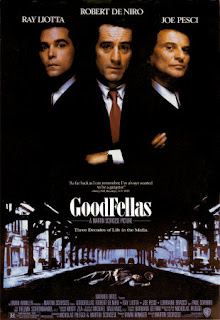
After a series of somewhat mixed results during the eighties (or at least by Scorsese’s standards), GoodFellas saw Scorsese returning to the excellence he had shown earlier in his career. GoodFellas is undoubtedly one of my favorite films of all time, and one of the few films I can watch over and over again and not get tired of. For me, GoodFellas captures the mafia lifestyle in a way that really no film has managed to do. But GoodFellas also steers clear of glamourizing the mafia, as Henry Hill’s downfall is just as compelling to watch as his rise to the top. This is quite simply a story Scorsese was born to make, by utilizing his signature fast-paced visual style as well as his penchant for troubled, violent Italian-Americans, GoodFellas is nothing short of a classic.
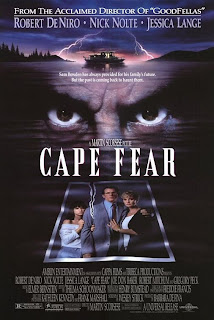
Cape Fear (1991)

Coming right off the heels of GoodFellas, you could say Cape Fear might have been somewhat of a letdown, but I’d say it’s still a first-rate thriller by any measure. I haven’t seen the 1962 original film, but you can see that the film pays homage to the thrillers of that time as it has a very Hitchcock-ian feel to it. At the center of this incarnation of Cape Fear is Robert DeNiro’s interpretation of Max Cady, and though you could say DeNiro goes a little over the top with his performance, he’s still undeniably fun to watch, and the always reliable Nick Nolte and Jessica Lange are quite good as well. You could say that this is an example of Scorsese’s more mainstream, and therefore less personal projects, but I think it’s still a very entertaining thriller even if it doesn’t rank among the director’s most interesting work.
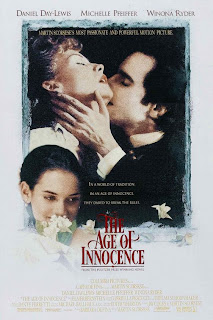
The Age of Innocence (1993)

This is another Scorsese film I’d kind of like to see again, because the first time through I couldn’t help but find this movie a little boring. I guess I just have a hard time getting into the whole 19th century upper-class costume drama thing, although I still found it to be an interesting venture for Scorsese as he’s definitely going out of his comfort zone here. Daniel Day-Lewis gives what might be his most restrained performance, but as far as I remember Michelle Pfeiffer gives the real stand-out performance as the two of them as well as Winona Ryder are stuck in a forbidden love triangle. Though I really couldn’t find myself getting engaged in this story, I still found the film to have not only some nice set design, but also an undeniable visual flair to it, but I guess that’s something you can always count on Scorsese for.
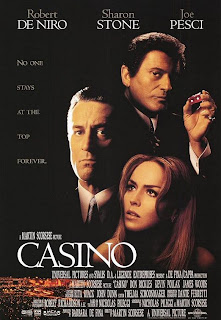
Casino (1995)

When this movie first came out, it seemed to get a kind of mixed response due it’s similarities to 1990’s GoodFellas. Though there are a number of things it has in common with that earlier film, it’s still a very good film by any standard and another example of Scorsese’s mastery of the crime genre. Scorsese does a great job of capturing all of the glitz and glamour of the Vegas lifestyle while giving us this fascinating account of Ace Rothstein’s rise to the top of a Vegas empire. This would mark the last collaboration between Scorsese and Robert DeNiro, but there’s always hope that they’ll do one last great movie together someday.

Kundun (1997)

Another example of Scorsese taking on material that you wouldn’t think he’d be most suited for. I’d say Scorsese does with this material about as much as he can, but to be honest I couldn’t help but feel like the Dalai Lama just isn’t a charasmatic enough figure to deserve a biopic chronicling his life. However, it seems like Scorsese and cinematographer Roger Deakins manage to avoid this somewhat by shooting the film in a way that’s visually stunning, but I still can’t say Kundun ranks among Scorsese’s most memorable work.
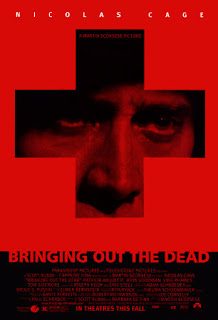
Bringing Out The Dead (1999)

This is probably most notable for it being the first collaboration between Scorsese and screenwriter Paul Schrader since 1976’s Taxi Driver. You can definitely see some similarities between Bringing Out The Dead and Taxi Driver, as Nicholas Cage plays an ambulance who’s slowly becoming dissatisfied with his nocturnal lifestyle. However, Bringing Out The Dead‘s filled with a much more kinetic energy, as well as some great supporting performances from the likes of John Goodman, Ving Rhames, and Tom Sizemore. This has got to be one of Scorsese’s more underrated films, as it’s a very good film whether you take it on it’s own terms or as kind of a companion piece to Taxi Driver.
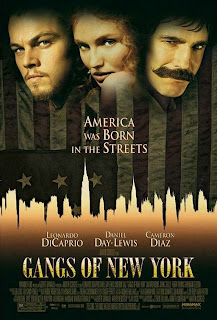
Gangs Of New York (2002)

By the early 00’s, it seems Scorsese was bent on getting that Oscar that had never been given to him for any of his past achievements. What Gangs of New York does very well is immerses you in a somewhat overlooked period in American history, when the streets of New York where overrun with looting and violence. A great deal of the film’s praise has to be owed to the incredible set design that creates this living, breathing world that seems taylor-made for Scorsese’s sensibilities. And at the center of the film is Daniel Day-Lewis, providing a deliciously villainous role as he’s paired against Leonardo DiCaprio in what would mark Scorsese’s first but certainly not last pairing with the actor. I guess the one thing that keeps this from being a great Scorsese film is the fact that when you get down to it, Gangs of New York is a simple revenge tale, and Scorsese doesn’t quite seem able to make this story seem more complex than that.

The Aviator (2004)
This film once again saw Scorsese turning to Leonardo DiCaprio as his leading man in this riveting biopic about the earlier years of Howard Hughes. And after a somewhat underwhelming turn in Gangs of New York, DiCaprio truly shows that he’s the real deal with this astounding performance that might be his best yet. Another great performance comes from Cate Blanchett, who proves just what a talented actress she is by being able to breath life into one of the most recognizable and beloved of all Hollywood starlets, Katherine Hepburn. And besides that, The Aviator shows another example of Scorsese’s ability to take a troubled and complex figure and bring you into his world, although this certainly qualifies as lighter material when you compare it to the likes of Raging Bull or Taxi Driver.
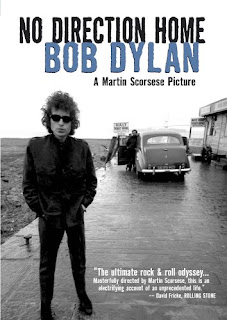
No Direction Home (2005)

I know this wasn’t given a theatrical release or anything, but I figured it deserved to be included as it probably ranks among my favorite documentaries of all time. And this isn’t a film that I’m fond of simply for the fact that it’s about Bob Dylan, one of my favorite musical artists ever, it’s just simply a great documentary. We get a fascinating look in to how Bob Dylan came from humble beginnings in Minnesota to becoming the “voice of generation” only to become the target of vitriol and disgust by his own fans after “going electric”. By telling the story of Bob Dylan, No Direction Home also manages to paint a detailed picture of Greenwich Village’s early sixties folk scene as well as the changes that were starting to happen in America during the first half of that turbulent decade.
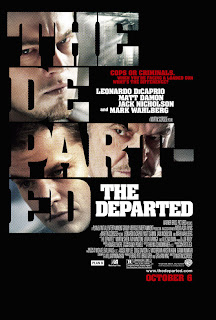
The Departed (2006)

When Scorsese returns to the crime genre, and in this case the mafia, good things happen. But this is just as much a cop movie as it is about the Irish mafia, and Scorsese manages to give us a crime epic that’s brutal, intense, funny, and a testament to Scorsese’s ability to knock you on your ass when he gets a hold of a story of this sort. DiCaprio is quite good in another demanding role, and I feel like this might of been the movie where Matt Damon turned into Hollywood’s most reliable “everyman”, and of course it’s always fun to see Jack Nicholson chew up the scenery in a role like this. It might not be Scorsese’s best film, but I think it’s a film that rightfully earned Scorsese that Oscar that he’d had his eyes on for all those years.
Shine A Light (2007)
Didn’t really feel like writing about this one again, but if you really care what I think about it there’s always this.
Shutter Island (2010)
Not sure how soon I’ll get around to reviewing this considering I’m pretty exhausted from writing this Retrospecticus. If any else wants to review it, feel free.