Criterion Month Day 7: The Virgin Spring

The Virgin Spring (1960)

Last spring, I watched the 2009 remake of Wes Craven’s The Last House on the Left (underrated). While sitting there, watching Garret Dillahunt’s head explode in a microwave, I found myself pondering the earliest incarnation of the rape and revenge film. I had always assumed it was the original The Last House on the Left from 1972, a film so controversial, it ended up on the infamous “Video Nasty” list where it was banned in the UK.

Continue reading →

Criterion Month Day 6: The Music Room

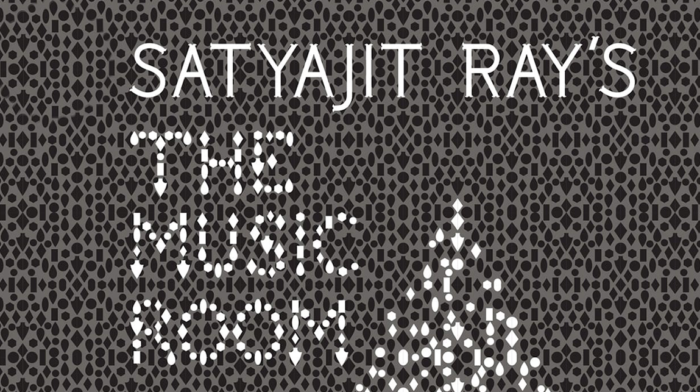
The Music Room (1958)

When exploring the work of a great director, it’s always hard to know what the best “next steps” are outside of their most highly regarded work. This is something I had to figure out when deciding to watch a Satyajit Ray film for this year’s Criterion Month, since Sean had effectively taken the Apu trilogy off the table. I have to imagine that those films are also probably the best introduction to Ray, which perhaps put me at a disadvantage when watching a film like The Music Room that was made around the same time as these more famous films. Still, The Music Room seems like it was a solid choice, since several esteemed filmmakers and critics like Mira Nair, Werner Herzog, Roger Ebert, and Pauline Kael are all big fans of the film. While I had a bit of a hard time sinking my teeth into this one, it still does make me curious to explore more of Ray’s work. Continue reading →

Criterion Month Day 5: The Girl Can’t Help It

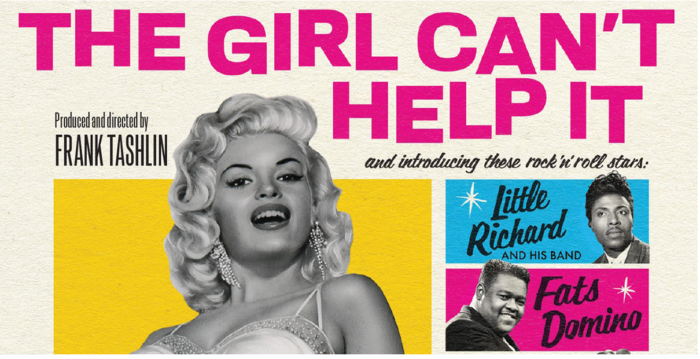
The Girl Can’t Help It (1956)

Sometimes, Criterion puts out a movie that you didn’t know you were waiting for them to put out, but once they do, you absolutely have to pick up a copy. The Girl Can’t Help It was one of those movies, since I’ve known about it for years due to it being a pivotal film for the members of The Beatles when they were first discovering rock ‘n’ roll. In The Beatles Anthology documentary, there are even clips of the film interspersed with Paul McCartney talking about how big of a deal The Girl Can’t Help It was for rock fans yearning to see Little Richard on the big screen, while the film also features the song that McCartney played for John Lennon during his audition for his first band The Quarrymen, “12 Flight Rock” by Eddie Cochran.

Apart from this Beatles connection, I’ve also always wanted to see The Girl Can’t Help It because I’d seen a couple of director Frank Tashlin’s other movies, and I was definitely taken with his cartoonish style, even though I’m a little wary of his connections to Jerry Lewis. Tashlin is not the type of director that seems like the most natural fit for the Criterion Collection, since it’s incredibly debatable whether there’s any argument to be made for his work being considered “art”. But there is an inherent craft to the kitschiness of his movies, and the way they skewer pop culture, as well as taste itself, doesn’t seem so far removed from Criterion-anointed masters of camp like Russ Meyer or John Waters, the latter of whom even did an interview about the film for its Blu-ray release. Continue reading →

Criterion Month Day 4: Ordet

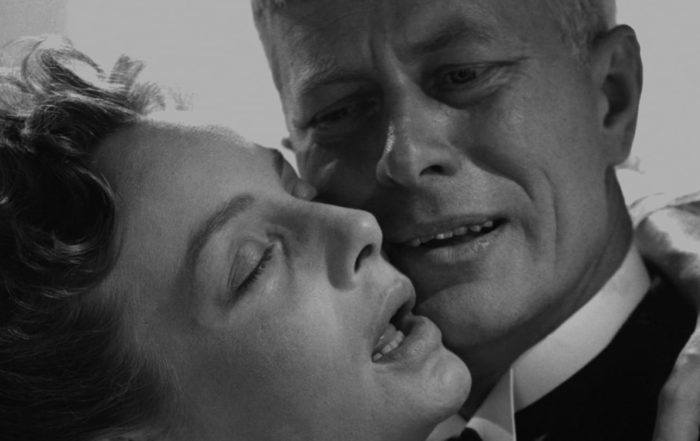
Ordet (1955)

That’s right. Here I am, once again writing another Criterion review on the 4th of July, as is the (unintentional) tradition. Also, once again I’ll probably be a little too preoccupied with just getting through finishing this review in the hopes of being able to enjoy this leisurely Tuesday. Which is, of course, a little unfortunate, since of all the films I’m reviewing this Criterion Month, Ordet has the most critical esteem, as it has routinely placed pretty high on the Sight and Sound list, coming in at #48 in the latest iteration. Though honestly, even if I wasn’t slightly distracted while writing this review, I probably wouldn’t be able to do this film justice, as it’s deserving of its reputation, full of weighty themes and deliberate seriousness that demands to be reckoned with. Continue reading →

Criterion Month Day 3: The Life of Oharu

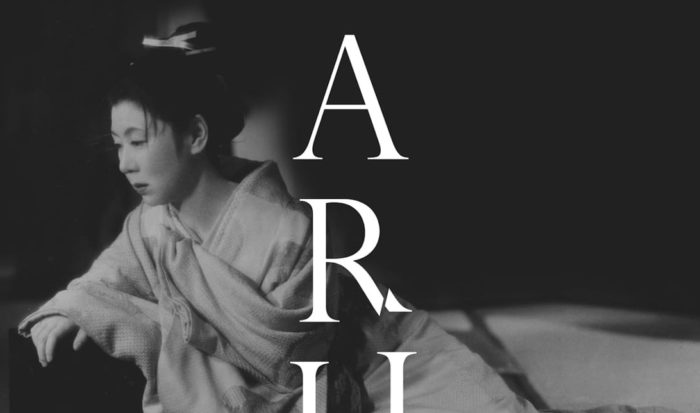
The Life of Oharu (1952)

When we recorded the recent podcast where we picked the various films we’d be reviewing for Criterion Month this year, I admitted that I weirdly could not remember if I had seen 1952’s The Life of Oharu. After seeing that this film wasn’t released by Criterion until 2013, I deduced that I probably hadn’t seen this movie, since it seems like I would have watched it either in college or slightly thereafter. Also, after actually watching the film, none of it really felt familiar, and considering how striking the movie’s images are and how singular its sense of anguish is, I probably would have remembered this movie, especially when it features Toshiro Mifune in a non-Kurosawa supporting role. I think this uncertainty derived from the fact that I’d seen two of Kenji Mizoguchi’s slightly later films from this era, 1953’s Ugetsu and 1954’s Sansho the Bailiff, and couldn’t remember much about them, despite thinking they were both borderline masterpieces. While I wouldn’t say The Life of Oharu is quite in that league, it still shows how much of a roll Mizoguchi was on in the years leading up to his death in 1958. Continue reading →

Criterion Month Day 2: Unfaithfully Yours

Unfaithfully Yours (1948)

Preston Sturges is a freak, y’all. I didn’t know what this movie was about going in. Something madcap? Sure, but a guy straight up having murder revenge fantasies at work? You okay, Preston? It’s a macabre premise, even for today. It made me realize that I’ve never actually considered what a “Screwball comedy” is supposed to be. Because it’s not just a comedy. It’s a spoof. Like how Sturges’ iconic Sullivan’s Travels is a spoof on the film industry, Unfaithfully Yours is a spoof on the mystery/romance/thriller. Often morbid, often hilarious.

Continue reading →

Criterion Month Day 1: High Sierra

High Sierra (1941)

And… we’re back with another Criterion Month! For another 30 days, we’ll be taking a look at Criterion’s catalog of films, reviewing them as thoroughly as we can, though there’s a good chance some of these reviews will get published at the last minute or with some lack of exhaustive research. This could be especially true for myself, as I chose a lot of films this year spanning the ‘40s through the ‘70s, while my colleagues steered a little more clear of those years. While we won’t be looking at any of Hollywood’s silent or pre-Code years, we will get a look at a film that displays the Hollywood studios’ ability to grow over the course of those years into a well-oiled machine capable of churning out well-crafted entertainment. 

High Sierra is not often talked about as one of Humphrey Bogart’s iconic roles, but after seeing the film and reading a bit about it, it seems obvious that the film is one of the more important ones in the legendary star’s career. It’s one that also firmly placed Bogart at the forefront of the ‘40s’ most prominent crime subgenre, film noir, after spending years toiling in the backgrounds of the ‘30s’ most prominent crime subgenre, the gangster picture. Bogart had been mostly playing heavies in these types of films, with his most iconic of these roles being 1936’s The Petrified Forest, where he played the main villain, Duke Mantee. However, High Sierra is a kind of hybrid role, where he is still playing a criminal, but one that also has the more honorable, sympathetic qualities that made him both prime for playing detectives as well as romantic anti-heroes. Continue reading →