Criterion Month Day 7: The Tale of Zatoichi

The Tale of Zatoichi (1962)

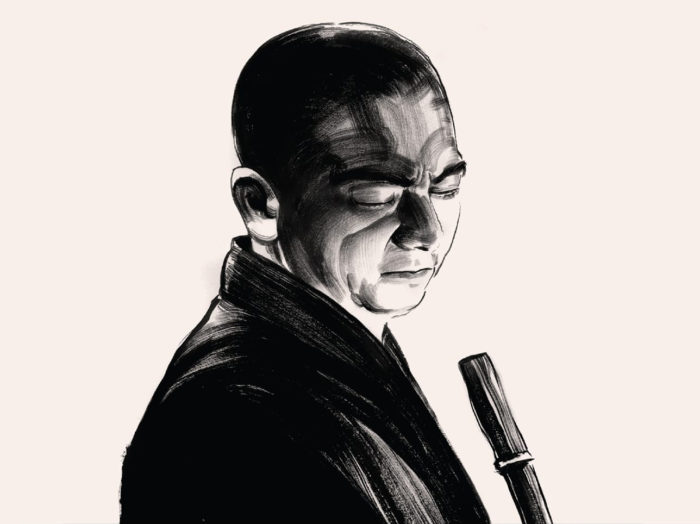
First introduced as a minor character in a 1948 novel by Kan Shimozawa, Zatoichi, The Blind Swordsman, has grown into one of Japan’s most enduring characters. Beginning with The Tale of Zatoichi, Shintaro Katsu would go on to play this role in 25(!) movies between 1962 and 1973, then continue in the TV series (which lasted 100 episodes across four seasons), and finally return to the big screen for one last movie in 1989, which he also directed. It’s hard to think of a Western comparison to that kind of commitment to a role. Katsu made more Zatoichi movies than there are James Bond movies. Like in total. Can anyone else’s time playing one role even compare? I guess some legacy sequels are gonna have bigger time spans, like Dan Aykroyd has also technically been playing Ray Stantz in Ghostbusters movies for 37 years and Nick Castle has been Michael Meyers for 43 years compared to Katsu’s 27 as Zatoichi. Kelsey Grammer as Frasier? Maybe Patrick Stewart as Captain Picard? That’s my best guess, he could have more screentime (178 episodes of TNG, four movies, plus 20 episodes of Picard) over a significantly greater span of time, 36 years (1987-2023). But I don’t think anybody ever played such a concentrated dose of one character. Which begs the question: What makes Zatoichi so special?
Continue reading

Criterion Month Day 6: A Raisin In The Sun

A Raisin In The Sun (1961)

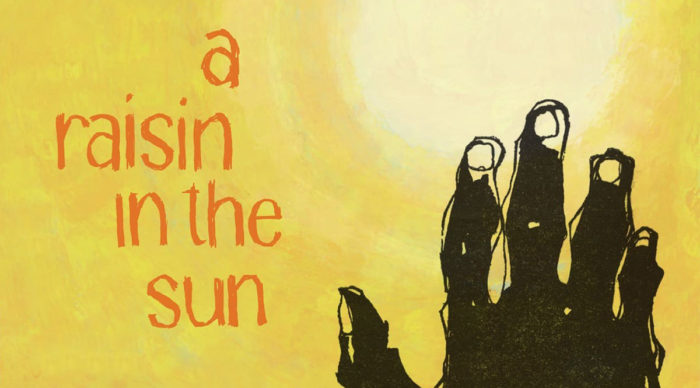
As you might guess, my desire to watch and review A Raisin In The Sun came out of the passing of the great Sidney Poitier earlier this year. While the film may not be one of the most widely seen in his filmography, it still feels crucial in capturing what might be Poitier’s defining role on the stage. After diving a bit into some of Poitier’s other films throughout this year, it was refreshing to see Poitier here in the kind of role that’s a little pricklier than the film roles he’s known for. Virgil Tibbs is probably the definitive example of the ultra-competent professionals he plays in movies that are just as much about his characters themselves as they are about white people’s relationships with their own prejudice toward them. However, in this film with an almost entirely Black cast written by one of the shining stars of mid-20th century theater, he’s able to do something a little more complex and nuanced, which can also be said about the film’s depiction of an African-American family trying to escape their cramped apartment in Chicago. Continue reading

Criterion Month Day 5: Shoot the Piano Player

Shoot the Piano Player (1960)

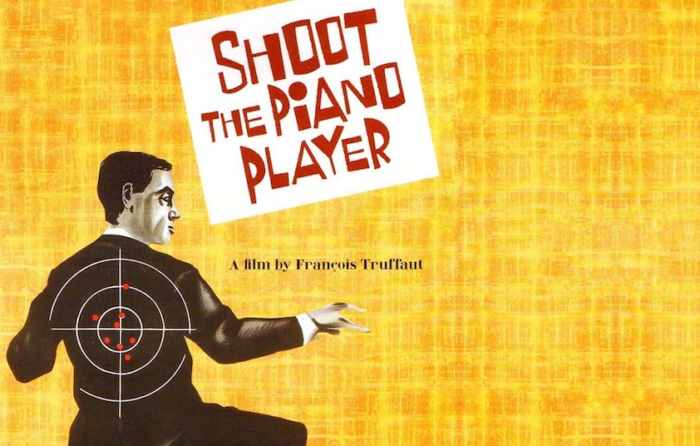
Francois Truffaut’s 1959 debut The 400 Blows is one of my favorite foreign language films of all time. Off the top of my head, Bong Joon-ho’s The Host is the only film I’d rate higher. So I’m shocked it took me this long to visit his sophomore effort, Shoot the Piano Player. The film has always been well-liked but disappointed commercially and I’m not sure what kind of legacy it has outside of the snobbiest corners of film twitter. Regardless, the film carries the same kind of bittersweet melancholy Truffaut does best. Not to mention the film was a pivotal entry into the French New Wave movement of the ‘60s.

Continue reading

Criterion Month Day 4: Journey to the Beginning of Time

Journey to the Beginning of Time (1955)

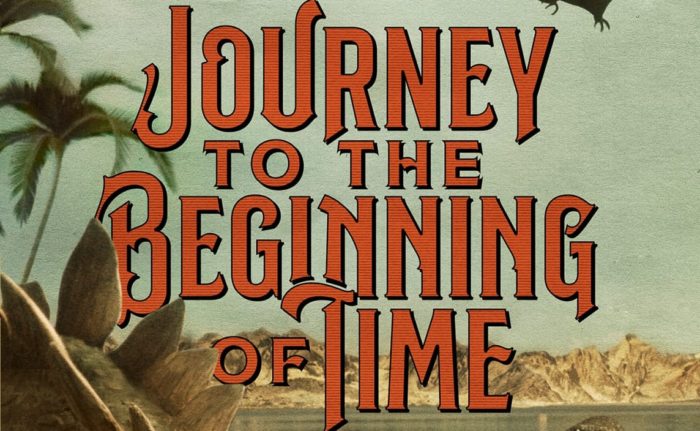
It’s another 4th of July and of course for the sixth year in a row I am the one reviewing a movie on this increasingly cursed holiday. As is the case most years, the movie I am reviewing is not terribly American, even though an edited and dubbed version was released in the U.S., while the film’s title does evoke the journey our Supreme Court justices apparently want to take our basic human rights on (hey-o!). Anyways, I was compelled to check out another one of Karel Zeman’s movies after reviewing the singular Fabulous Baron Munchausen a couple years ago. Though Journey to the Beginning of Time may not be quite as visually inventive as that film (but let’s be honest, few are), it still feels crucial in establishing Zeman’s output of dazzling feature films in the ’50s and ’60s while also presenting a refreshingly thoughtful take on effects-driven science fiction. Continue reading

Criterion Month Day 3: Ikiru

Ikiru (1952)

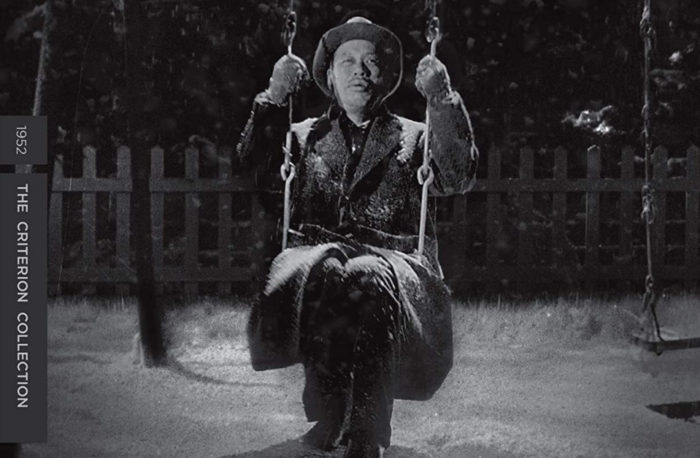
I’ve almost seen all the BIG Kurosawa films at this point. I think the only two essentials I’m missing are Ran and High and Low. Though I did watch part of High and Low in a class once—I saw the Low part. My takeaway from the Kurosawa films I have seen is that Kurosawa is a filmmaker that tells stories about characters with a lot of grit. Nine times out of ten those characters are played by Toshiro Mifune. If you’re not familiar with Mifune he’s the ultimate badass. Sometimes he’s a Man with No Name-type samurai. Sometimes he’s an overburdened cop desperate for resolution. Sometimes he’s insane. The bigger the better. But Takashi Shimura in Kurosawa’s 1952 drama Ikiru is a different kind of character.

Continue reading

Criterion Month Day 2: Citizen Kane

Citizen Kane (1941)

Likely due to outside factors, Citizen Kane, Orson Welles’ first film, struggled at the box office when it was released in May of 1941. Couple those small audiences with a tepid critical response and even an Academy Award couldn’t stop the movie from fizzling away by the year’s end. More than a decade later, RKO sold its library to television and Citizen Kane started lighting up the small screen, encouraging enthusiastic reassessment. This time its success was undeniable: by 1958, Citizen Kane appeared on its first “greatest films ever made” list (losing the top spot to Battleship Potemkin) and has remained in such high esteem ever since. Notably, BFI’s once-a-decade Sight & Sound Poll of the Greatest Films of All Time, arguably the most prestigious ranking of this sort since it is compiled exclusively by critics and directors, had Citizen Kane in the number one spot five decades in a row, from 1962-2002.

However, in 2012 Citizen Kane lost the top spot on both lists, being surpassed by Vertigo with the critics and both Tokyo Story and 2001: A Space Odyssey with directors. Rumor has it that Citizen Kane won’t regain its crown and might tumble even further when this year’s poll is released. Today, IMDb’s top 250 movies ranks Citizen Kane at only #94 and on Letterboxd’s list of films by user rating it appears at a dismal #915 with an average user rating of just 4.18 out of five. Has Citizen Kane‘s star fallen? Is it time to radically reevaluate it once again and expose those film snobs once and for all?

lol no

Continue reading

Criterion Month Day 1: The Cameraman

The Cameraman (1928)

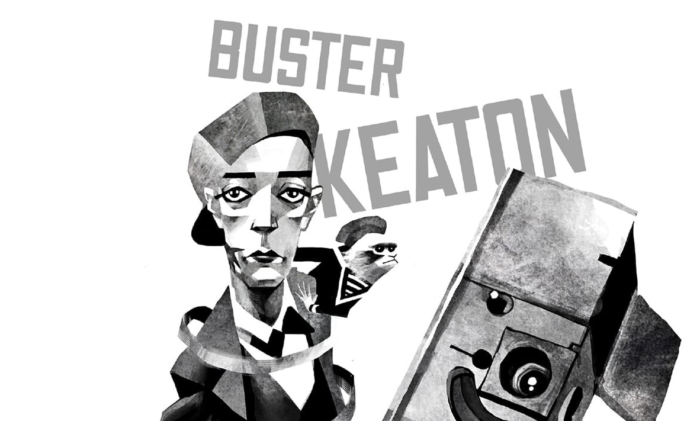
Welcome to another Criterion Month! It often feels like July is one of the less convenient months to incur this much writing on ourselves when July is the month of summer vacations and getting out in the sun and whatnot. This year, that’s the case to some extent, since we just got back from a destination wedding for Mildly Pleased contributor Matt Carstens, but hopefully have had enough recovery time to dive into another month of reviewing movies in the Criterion Collection. As is the case most years, we start our month in the silent era as well as the lone entry in The Collection from one of silent cinema’s true geniuses, Mr. Joseph Frank Keaton. Continue reading