

Criterion Month Day 3: L’Atalante

L’Atalante (1934)

Though there are plenty of examples in the world of music and literature, movies don’t have a ton of singular artists who died too young to ever live up to their full potential. However, one of the early examples of this is French director Jean Vigo, who died before the age of 30 and only has one feature film to his name. L’Atalante is a film that has been said to have had a major impact on the directors of the French New Wave a few decades later, though I think the strangest thing about it is that despite being the film synonymous with its director, it doesn’t seem like it entirely embodies the themes and ideals that Vigo was interested in exploring. Continue reading


Criterion Month Day 2: Body and Soul

Body and Soul (1925)

Body and Soul is a 1925 silent film about a young woman who is raped and abused by her small town’s reverend and chooses to run away because she knows no one will believe her. So it’s not a big surprise to read that the version of the film I watched on the Criterion Channel was heavily edited: director Oscar Micheaux cut nearly half its runtime in order to get a release. The director’s cut is long lost and I can’t find much information about Michaeux’s novel that he based the film on, but I’d bet that the original version was an even more powerful condemnation of the manipulative and hypocritical nature of those in power.

Continue reading

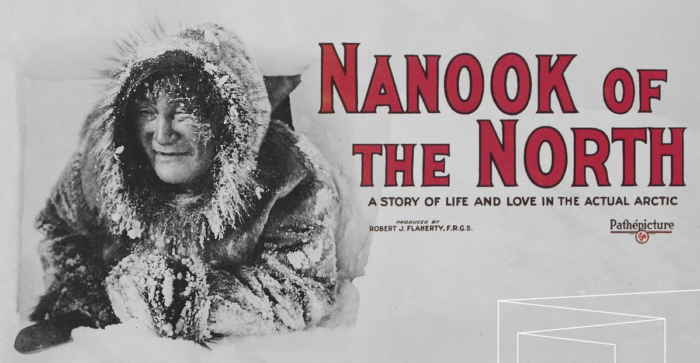
Criterion Month Day 1: Nanook of the North

Nanook of the North (1922)

This year my theme for Criterion Month was a film from every decade starting with the 1920s and ending with the 2010s. Criterion’s physical collection currently contains 21 films from the 1920s, four of which I’ve already seen. So I picked Robert Flaherty’s 1922 documentary Nanook of the North, which is one of those building-block films you hear about in film school. “This was the first film to do blank!” You get the idea. Nanook of the North is a film acclaimed for its storytelling techniques but not so much its actual story. That’s because the story is as Phil Collins might say “a pack of lies.”

Continue reading