
I believe it was Sir Michael Phillip Jagger who once said, “When I turn 33, I’ll retire. That’s the time when a man has to dedicate himself to other things. I don’t want to be a rock star all my life.” Well, Jagger turned 33 fifty years ago, and the Rolling Stones released their 25th UK studio album (depending on how you count it) last Friday.
Formed 64 years ago, the band who debuted as “The Rollin’ Stones” at the Marquee Club for a crowd of just over a hundred has gone on to sell over 250 million records, win four Grammy Awards (plus a Lifetime Achievement Award), and, in 2006, play to an estimated 1.5 million people at Copacabana Beach in Rio de Janeiro.
Even today, the Stones roll on.
To set the stage, I was born a Beatles fan. My brother and I were named after John and Paul, so I wasn’t exposed to much of the Stones early on. My encounters with the band in my preteen years came from Seattle’s 97.3 KBSG Oldies Radio.
Then, in 2003, Mildly Pleased’s own Colin Wessman burned me a copy of the Rolling Stones double greatest hits compilation Forty Licks. Later that year, I bought a copy of NME Originals #9 dedicated to the Rolling Stones and it became my official field guide to the band.

What did I like about the Stones? They were edgy. They were the definition of sex, drugs, and rock and roll, and they’ve never strayed from their roots. Even their latest album closes with a Chuck Berry cover. I may prefer the Beatles, I like their songs more, their production more, but when I think “rock band,” I think the Stones. They have a rock in their name.
So what better way to pay tribute than with a long, strange trip (should have saved that line for a Grateful Dead retrospective) through their discography. I should note I’ll be focusing on UK album releases only.
“Why the UK albums?” If you’re not familiar, it used to be common practice for British artists to release hit singles separately from albums so fans wouldn’t have to buy the same song twice. In the states, record companies wanted those hits on the albums to boost sales. They’d also shorten albums and split material across more releases. Because more releases meant more $$$.
This UK/US split didn’t fully disappear until the late ’60s, so be warned, there may be Stones’ singles I don’t cover. Sorry mate, you can’t always get what you want.
P.S. If you don’t want to read all this nonsense, scroll to the bottom for my Rolling Stones album tier rankings.
Alright, let’s rip this joint.
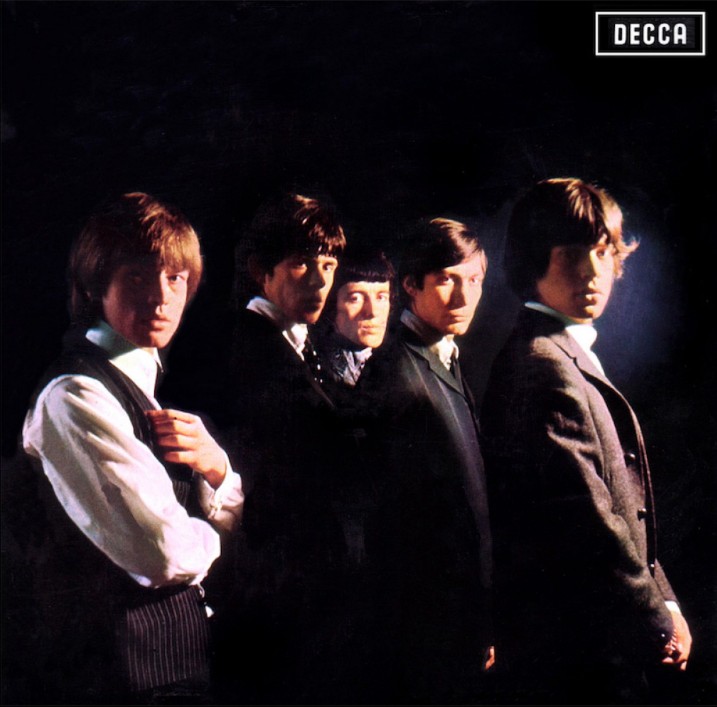 The Rolling Stones (1964)
Many times a band’s debut album is their best album, the culminating moment of a group of rock-and-roll hopefuls finally getting their bite at the apple and hopefully, feasting on it for decades to come. I’m talking about albums like; The Velvet Underground & Nico, Boston, Appetite for Destruction, and The Strokes’ Is This It. Unless you’re a Zoomer lunatic who claims The New Abnormal is the best Strokes album. Trust me, they exist.
Then, there are bands who get popular playing live and do, in the studio, exactly what they’ve been doing on stage. This is true for Black Sabbath. This is true for the Rolling Stones. Christ, the band only penned three of their debut album’s twelve songs themselves; the Beatles-sounding “Tell Me (You’re Coming Back)” (the first credited Jagger–Richards composition), along with “Little by Little,” credited to “Nanker Phelge,” the band’s pseudonym for group compositions, and Phil Spector, and “Now I’ve Got a Witness (Like Uncle Phil and Uncle Gene).” The “Uncle Phil” in question is Phil Spector. Man, that little creep had his fingerprints on everything, huh?
The Stones weren’t generational songwriters right out of the gate. They were talented interpreters of rhythm and blues. Pop was mainstream. Blues was underground. While Gerry and the Pacemakers were peddling saccharine singalongs like “Don’t Let the Sun Catch You Crying” on The Ed Sullivan Show, the Stones were banging out Chicago blues across the London club scene.
This sound went hand-in-hand with 19-year-old manager/producer Andrew Loog Oldham’s vision to market the Stones as the “anti-Beatles,” enticing young fans with their scruffy good looks and bad-boy personas. “Would you let your daughter marry a Rolling Stone?” Oldham asked the British press. He even demoted the band’s pianist, Ian Stewart, to a studio role after Stewart’s older, fatter, and less threatening appearance clashed with Oldham’s lean, mean, young vision.
Say what you will about the cocky Oldham, and how his ego later alienated him from a band who became too popular to control, but he was crucial in the early days. There’s even a rumor Oldham once locked Mick Jagger and Keith Richards in a kitchen and told them not to come out until they wrote a song, because writing your own songs meant royalties.
So how is the Stones’ first album?
It’s fine. I find the album hard to love when a band has over six decades of radio-defining hits and this album has none of them. You have Jagger’s snarl and Richards’ swagger, and Brian Jones occasionally dicking around on guitar to create swirling Bo Diddley-like textures on songs like “Mona (I Need You Baby),” but the first album is missing that X-factor, that special ingredient that made the Beatles vs. Stones comparison a valid argument. I mean, not to me, but to people.
I think of the first Stones album more as a coming attraction than the feature presentation. But hey, trailers can be cool. Alien had a great trailer, and the movie was even better.
Ranking: C Tier
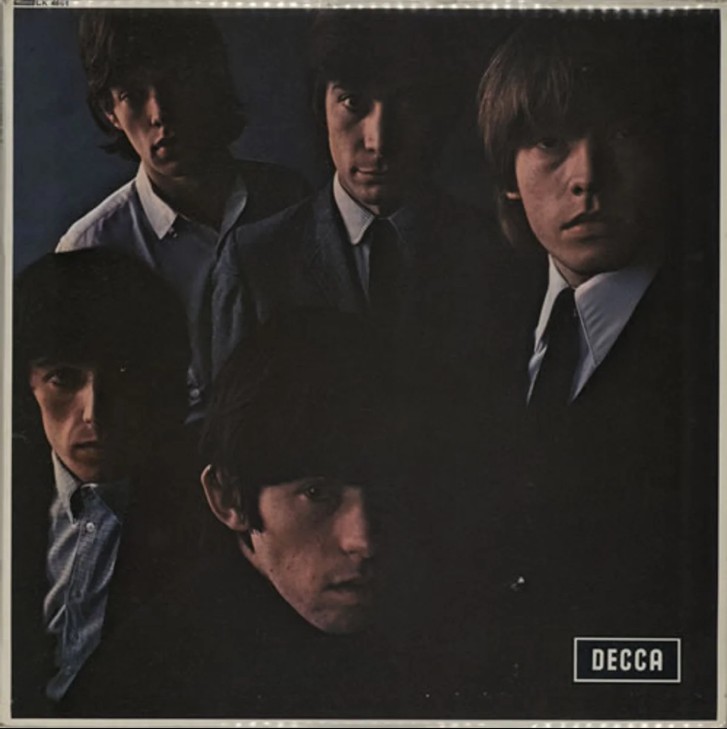 The Rolling Stones 2 (1965)
“Cast deep in your pockets for loot to buy this disc of groovies and fancy words. If you don’t have bread, see that blind man, knock him on the head, steal his wallet and lo and behold you have the loot. If you put in the boot, good, another one sold!”
This insane monologue was printed on the back cover of the Stones’ sophomore album by Andrew Loog Oldham himself. I wish the music contained even a fraction of that insanity.
Outside of the band’s lovely cover of the Jerry Ragovoy (under the pseudonym “Norman Meade”) ballad “Time is on My Side,” complete with Keith Richards’ memorable twangy guitar intro, there’s not much here worth remembering. Jagger and Richards penned three originals, “What a Shame,” “Grown Up Wrong,” and “Off the Hook”, and I only recall “Off the Hook” because it plays at the end of the “She Was Hot” music video (more on this later).
The band’s sound remains bluesy, so much so the band recorded part of it at the historic Chess Studios in Chicago, the album’s instrumental “2120 South Michigan Avenue” is literally the address of said studio. Still, it’s nothing to write home about.
The album is more polished than its predecessor, but not distinct. Not when you consider, less than a year later, the band would be releasing foundational singles like “(I Can’t Get No) Satisfaction,” and “19th Nervous Breakdown”.
Check it out if you’re a completionist. Otherwise, you can leave it under the boardwalk… because they cover “Under the Boardwalk” on this album.
Ranking: C Tier
 Out of Our Heads (1965)
When I first put on Out of Our Heads, I couldn’t believe how much of an improvement it was over the first two albums… until I realized I was listening to the U.S. version. No, the UK version of this album does not feature “The Last Time,” “Play with Fire”, or a little song by the name of motherfuckin’ “(I Can’t Get No) Satisfaction”! You can imagine my disappointment when one of the greatest rock and roll songs of all time is subbed out for a second-tier Chuck Berry tune.
BUT I do feel the band coming into their own on their third album. “Mercy, Mercy” features a distinct fuzzed-out guitar sound the Stones would later perfect, and “Hitch Hike” is a catchy throwback. “I’m Free” is one of the rare well-known Stones songs featured on the UK version and not the U.S. release. Though I’m embarrassed to admit I first heard the song in a Chase Freedom credit card commercial in the 2000s.
What’s worth noting is the band’s evolution from old-school blues to modern rock and roll. It’s not on this version of the album, but it could be argued “(I Can’t Get No) Satisfaction” is not only the band’s most memorable song, but one of the most memorable rock songs, period. From the buzzy guitar hook that came to Keith Richards in a dream, to Mick Jagger’s insolent vocal delivery, it’s the song that made the Stones the Stones we know today.
Even if the UK version of Out of Our Heads doesn’t include “Satisfaction,” there’s enough fun and energy here to muster mild satisfaction.
Ranking: C Tier
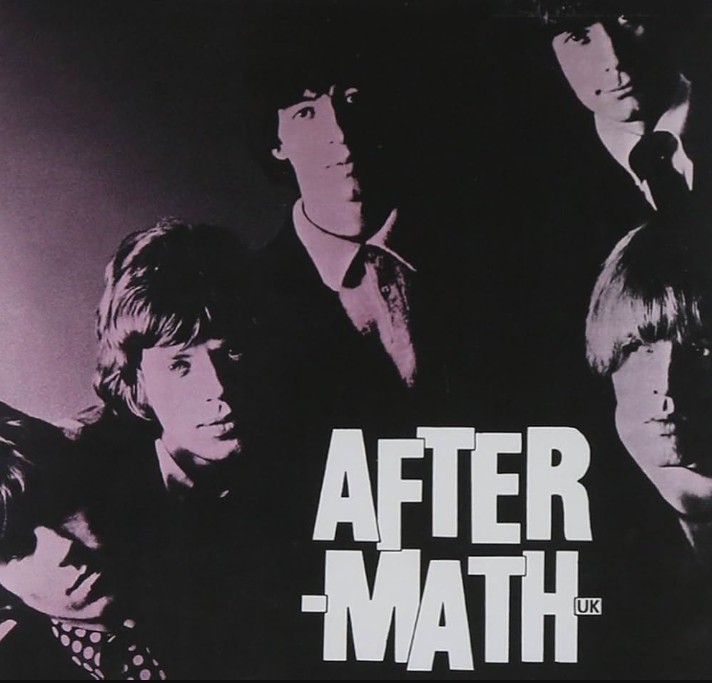 Aftermath (1965)
Damn, three albums in 1965? Those boys were busy! But I’m glad because Aftermath is the first Stones album where the consensus is the UK version is superior to the U.S. version. Look, I love “Paint It Black” as much as the next guy, but its addition, along with the songs cut to make room for it, makes the American version feel less cohesive than what the Stones originally laid down for Decca.
I get why the Stones’ U.S. label, London Records, shortened Aftermath. The UK version runs over 50 minutes long thanks to tracks like the 5:15 “Out of Time” and the extended blues-jam “Goin’ Home,” which, at 11:18, is the longest Stones song to date, and one of the longest tracks released by a major rock act at the time. As Keith Richards put it:
“It was the first long rock and roll cut. It broke that two-minute barrier. We tried to make singles as long as we could do then because we just liked to let things roll on. Dylan was used to building a song for 20 minutes because of the folk thing he came from. That was another thing. No one sat down to make an 11-minute track. I mean ‘Goin’ Home,’ the song was written, just the first two and a half minutes. We just happened to keep the tape rolling, me on guitar, Brian on harp, Bill on bass, Charlie on drums, and Mick. If there’s a piano, it’s Stew (Ian Stewart).”
Aftermath has no shortage of the Stones’ beloved blues, but it also experiments with pop and folk stylings. “Lady Jane” and “I Am Waiting” feature the Stones using acoustic instrumentation for the first time, while Brian Jones showcases his talents as a multi-instrumentalist playing dulcimer, vibraphone, Koto, and marimba throughout the album. The marimba takes center stage on my all-time favorite Stones song, “Under My Thumb.”
There’s a sneakiness to “Under My Thumb” I find endlessly alluring. Jones’ marimba, combined with the band’s distinct fuzz-bass sound and Jagger’s playful lyrics, showcases the Stones doing what they do best, making sexy music. I love the Beatles, and they wrote the most romantic rock songs of all time, but they were rarely, if ever, sexy.
Apart from the band broadening its musicianship, Jagger taps into his strengths as a lyricist on Aftermath. The fact he chose to write about sad, pill-dependent housewives on the album opener “Mother’s Little Helper” showed a surprising amount of maturity for the 22-year-old front man.
Aftermath doesn’t contain many big hits, but it’s full of prime cuts among Stones fans. Like songs you might hear in an indie film. In fact, “I Am Waiting” was featured in Wes Anderson’s Rushmore.
The Stones were a blues band unafraid of dabbling with emerging genres. It’s impressive how naturally they could absorb other styles, which would remain true even when the band experimented with disco and funk music in the late ’70s.
Aftermath feels like the sound of a band discovering the possibilities of the recording studio in real time. The album was a commercial and critical success, and the Stones only grew bigger in its aftermath.
Ranking: A Tier
 Between the Buttons (1966)
And we’re right back to, “Man, I wish I was listening to the U.S. versions of these albums.” What slipped between the buttons on the Stones’ fifth album? Why, it was “Let’s Spend the Night Together,” or, if you tuned into The Ed Sullivan Show on January 15th, 1967, “Let’s Spend SOME TIME Together.” Because we know Old Stone Face didn’t want to get Ma and Pa Kettle all horned up on a Sunday night. I’m also missing out on “Ruby Tuesday,” a great song that inspired one of our finest dining establishments.
What we have here is an album highlighting a transitional period for the band. They’re not the bluesy underdogs trying to prove themselves anymore. They’re international stars, yet they haven’t fully embraced psychedelia either. There’s no shortage of experimentation. Look at Brian Jones’ arsenal. He’s playing organ, marimba, recorder, mellotron, Appalachian dulcimer, banjo, and the almighty kazoo.
There’s a baroque-pop approach to the instrumentation on Between the Buttons, and it’s nice, if not especially memorable. Plenty of other bands were exploring a similar style, though the Stones hold their own. “Yesterday’s Papers,” “Back Street Girl,” and “Connection” are all solid, and if you told a rando at a party one of these deep cuts was your favorite Stones song, they’d think you were Mr. Hipster McCool.
Even the band seemed iffy on the final product. The album reportedly lost sonic clarity due to repeated bouncing and overdubbing during the recording process. As Mick Jagger later said, “We bounced it back to do overdubs so many times we lost the sound of it. The songs sounded so great, but later on, I was really disappointed with it.”
Ranking: B Tier
 Their Satanic Majesties Request (1967)
On February 12th, 1967, Keith Richards, Mick Jagger, and friends were busted at Keith’s country house estate, Redlands, for drug possession. Though the Bobbies didn’t find much other than amphetamine tablets and cannabis, it was enough to get Mick charged with possession and Keith with allowing cannabis use on his property. Mick received a sentence of three months in prison, and Keith a year. The convictions were eventually overturned/reduced, but the damage was done.
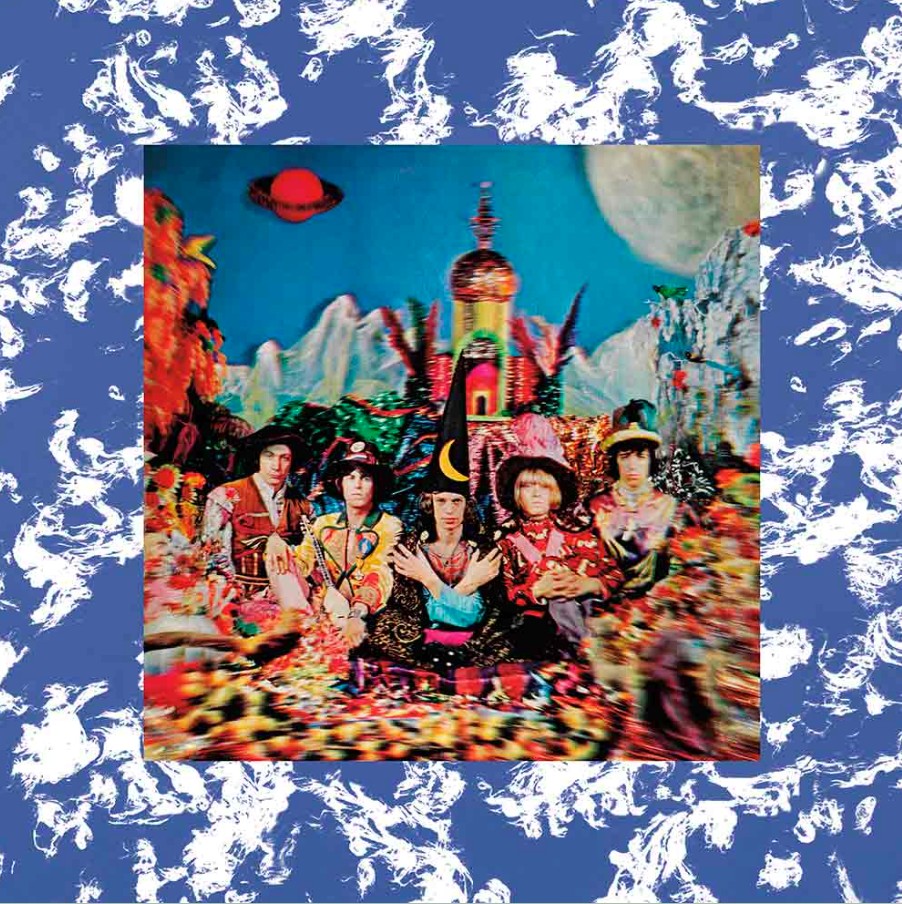
So what do you do when everyone thinks you’re a bunch of stoned-out rock and roll heathens? You make an album called Their Satanic Majesties Request, dress the band like wizards on a 3D cover, and fill it with enough psychedelia to make Hendrix plotz.
Let’s not forget this is a post-Sgt. Pepper’s Lonely Hearts Club Band album by the Beatles’ biggest rivals. Naturally, there was backlash. Even the band was critical of the results later on. “The album was a load of crap,” Keith Richards said in a 1994 interview, which is fair considering the circumstances. The full band was rarely in the studio all at the same time due to legal troubles and scheduling issues. Thus the songs are loose, oddly structured, and divisive.
BUT, I think it kind of rules.
I once made a list of my favorite stoner albums of all time, and you better believe this was on it. The album may be “out there,” and the songs messy, Andrew Loog Oldham had stepped away from the band so the Stones largely produced it themselves, but damn it, the melodies are good and the instrumentation is fun.
It goes to show how good the Stones were at writing pop songs, even when they drowned them in mellotrons and dulcimers. Hell, “In Another Land,” written and sung by Bill Wyman during a session where the rest of the band was absent, is such a trippy little standout, it was released as the album’s debut single.
“Citadel” rocks and “2000 Man” rolls. “2000 Light Years from Home” is a cool piece of sonic experimentation with hallucinatory lyrics Mick Jagger supposedly wrote in prison. Plus, I used it for a terrible YouTube video with G.I. Joes I made as a teen, so I’ve got a soft spot for it.
Let’s not forget, “She’s a Rainbow”? a legitimate masterpiece. Led by Nicky Hopkins’ arabesque piano figure, it’s a beautiful song with painterly imagery and unconventional production choices. It was one of my favorite discoveries when I first heard Forty Licks all those years ago.
I’m not on an island here. The album has seen a reappraisal in later years by publications like Rolling Stone, NME, and AllMusic, and was remastered and reissued in 2002. I don’t care if the Stones were chasing a trend, they did it well, even if they didn’t realize it at the time. Who knows? In 2000 years, it could be considered their best album.
Ranking: A Tier
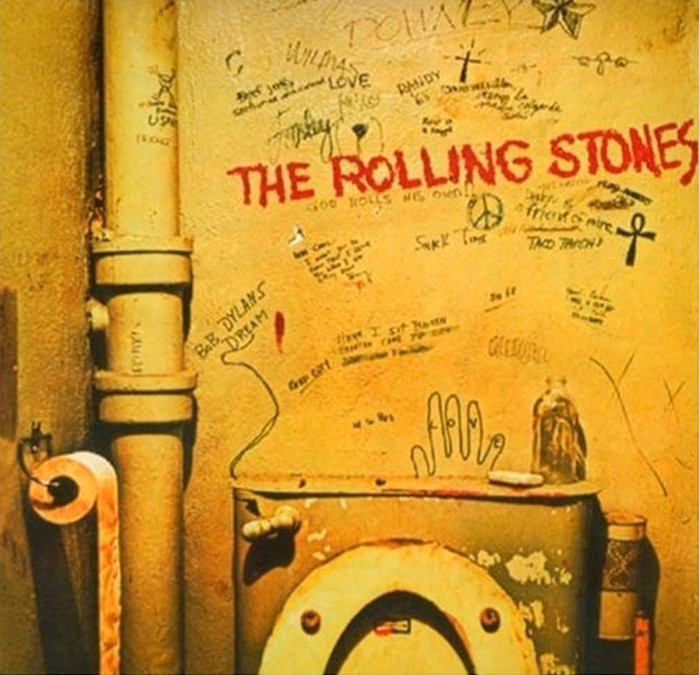 Beggar’s Banquet (1968)
In March 1968, the Stones needed a reset. Mick and Keith had fought the law and mostly won after the absurd Redlands drug bust, but the band still had to contend with the backlash surrounding Their Satanic Majesties Request and all its hippy dippy gobbledygook. It was time for the Stones to reconnect with their audience and reconnect with what brought the band together in the first place: da blues.
The band parted ways with their original manager/producer Andrew Loog Oldham and hired American producer Jimmy Miller based on his work with bands like Spencer Davis Group and Traffic. Anything with Steve Winwood. The Stones needed discipline and cohesion, and Miller delivered with the first song recorded during the Beggars Banquet sessions, “Jumpin’ Jack Flash”. The fiery single was born from a Bill Wyman electric piano riff and evolved further after Keith Richards recorded his acoustic Gibson Hummingbird into a cassette recorder, giving the infectious riff its distinctive crunchy pop.
Released in May 1968 in the middle of the album’s recording sessions, “Jumpin’ Jack Flash” wasn’t included on Beggars Banquet, but the number-one hit signaled a return to the band’s swaggering rock and roll roots and reignited Mick and Keith’s creative juices.
Keith had rediscovered his love for the guitar after Don Everly and Ry Cooder introduced him to open tunings, which would later become his signature style. For all you folks who don’t play the gitbox (guitar), standard guitar tuning requires more complex finger positions to form chords, while open tuning allows the strings to already form a chord when strummed without fretting anything.
The approach made it easier for Keith to craft riffs and create a fuller, more rhythmic sound, and it’s perfect for slide guitar. Like Ry Cooder, Keith also removed his guitar’s low E string to avoid any muddy, low-end noises from errant strums. I even read Keith liked the new setup because it made the Stones’ sound harder for imitators to copy, funny if true.
With Jimmy Miller on the dials and Keith’s new guitar style, the band laid down the dirty delta sound of Beggars Banquet. Songs like “No Expectations” slink along with a weary slide, while Mick Jagger delivers a sarcastic send-up of ’60s counterculture on “Jigsaw Puzzle.”
Beggar’s Banquet is full of earthy, acoustic blues music but it’s not without its hits. “Street Fighting Man” recorded much like “Jumpin’ Jack Flash” with Keith overloading a cassette player with his guitar riff, is another high intensity rocker about ‘60s political upheaval. Brian Jones throws in sitar and tambura for an Eastern flare and another instant radio classic was born.
I would be remiss to not give credit where credit is due and thank the Prince of Darkness, Satan himself. Though it leads off the album, “Sympathy for the Devil” was the last song recorded and it took awhile to get it to the shape and form we know it by today.
The evolution of “Sympathy for the Devil” can be traced in Jean-Luc Godard’s 1968 rockumentary Sympathy for the Devil, which features the band developing and recording the song intercut with stuff like a guy on the street explaining the Black Panther movement to the audience. All of Godard’s additions are… confusing, but it’s a treat to watch the song start as this slow, creeping ballad to the raucous epic rock song we all know today.
Going in, I wasn’t so sure about the track order. Too many acoustic blues numbers in a row, the hits are too spaced out, but now I like how this album makes you work for it. You gotta hone in and learn to appreciate the blues. Beggars can’t be choosers.
Ranking: A Tier
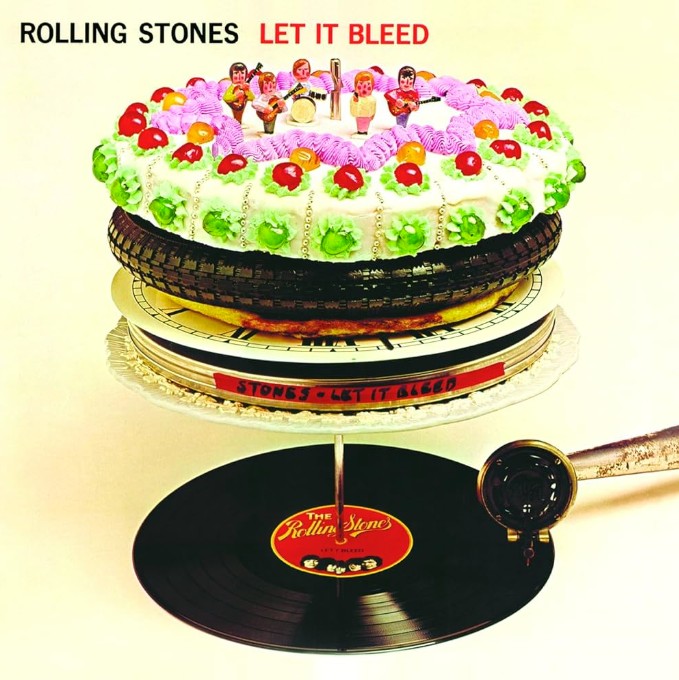 Let it Bleed (1969)
Where would cinema be without “Gimme Shelter”? Martin Scorsese alone has used the song in Goodfellas, Casino, and The Departed. It’s also been in films like Flight, L4yer Cake, The Fan, and Tropic Thunder, to name a few. At this point, if anyone pulls a gun in a movie, or it’s the ‘60s, there’s a decent chance “Gimme Shelter” isn’t far behind. It’s the band’s most thematic number.
But beneath Keith’s hypnotic guitar intro, a storm was a-brewing. Keith Richards wrote the song during a period of growing paranoia around Anita Pallenberg’s increasingly close relationship with Mick Jagger. The pair acted alongside each other in Performance, the surreal crime film later released in 1970. Needless to say, the atmosphere surrounding the Stones at the time was unstable.
Even after the success of Beggars Banquet, the Stones struggled to keep it together. Apart from Mick and Keith, Brian Jones’ role in the band had diminished. Producer Jimmy Miller recalled Brian showing up to the studio to read a newspaper while the band worked on “Gimme Shelter.” Brian had become disinterested in music as mental health issues and drug abuse consumed him.
Brian’s final performance with the Stones came during the filming of The Rolling Stones Rock and Roll Circus, recorded in December 1968, five days after the release of Beggars Banquet. The project was shelved after the Stones were dissatisfied with their performance i.e. getting upstaged by The Who. Brian made minor contributions to Let It Bleed credited on two tracks playing autoharp and congas. But by June 1969, he was fired. A month later he was dead.
There’s a poeticism to Brian Jones’ death. It marked the end of one era of the Rolling Stones right as they were entering another, arguably their creative peak. Brian had formed the group and driven its early years as a bluesy cover band, banging it out in the club scene. But by the late ‘60s, the band had evolved into a far more ambitious venture defined by the songwriting talents of Mick Jagger and Keith Richards. And boy, those talents continued to sharpen on Let It Bleed.
Chaos aside, Let It Bleed was another critical hit, filled with bluesy throwbacks like “You Got the Silver,” radio-friendly pop like “You Can’t Always Get What You Want,” and the nearly seven-minute blues suite “Midnight Rambler,” inspired by real-life serial killer Albert DeSalvo aka “The Boston Strangler”. It has everything you could want on a Stones album, even the things you didn’t know you needed.
Let It Bleed also saw the arrival of guitarist Mick Taylor, the soft-spoken 20-year-old recommended by blues legend John Mayall and the Stones’ pianist Ian Stewart. Taylor contributed guitar work to tracks including “Live with Me” and “Country Honk,” the latter a southern-fried reworking of the earlier Stones’ single “Honky Tonk Women” which Taylor also played on.
It’s hard to rank and compare the Stone’s albums during the Jimmy Miller era. They all share a similar style but also contain many of the band’s biggest hits. The Stones were playing the asses off. So much so they were willing to bleed for it… I mean, their fingers, not their asses.
Ranking: A Tier
 Sticky Fingers (1971)
I can say with great confidence the ’60s ended on January 31st, 1969, but it’s been said they died earlier on December 6th, 1969, when the Stones played their infamous free concert at the Altamont Speedway outside Tracy, California.
Meant to be the West Coast Woodstock (which had taken place four months earlier), Altamont was far from the lovefest Woodstock represented. The Hells Angels motorcycle club were hired as security, and the event broke out into violence, leaving three dead, including the stabbing of concertgoer Meredith Hunter.
The events are detailed in the 1970 documentary Gimme Shelter, directed by the Maysles brothers and Charlotte Zwerin. I rewatched the film for this list and found it as compelling as ever. To think you could be having the time of your life in one moment, the crowd turns, and the next thing you know, you’re dead. So much for peace and love.
I’m not sure if there’s a thematic connection between Altamont and the direction of the band afterward, but you can’t do an album-by-album chronology without at least mentioning one of the most shocking moments in rock and roll. Number 3 according to VH1’s 2001 miniseries hosted by Mark McGrath.
Regardless, the Stones and Jimmy Miller were busy in the back half of the ’60s and into the early ’70s. They were rekindling their love for the blues and writing great songs, but also trying to escape the shadow of Allen Klein, their deceptive manager, and fulfill the remainder of their unfavorable contract with Decca Records.
Released on their own self-titled label, Sticky Fingers was the purest rock record the Stones had made in years. Gone were the band’s forays into psychedelia; gone were the sitars and dulcimers. Gone was the bullshit. Sticky Fingers is a guitar album, plain and simple. It also happens to be my favorite Rolling Stones album.
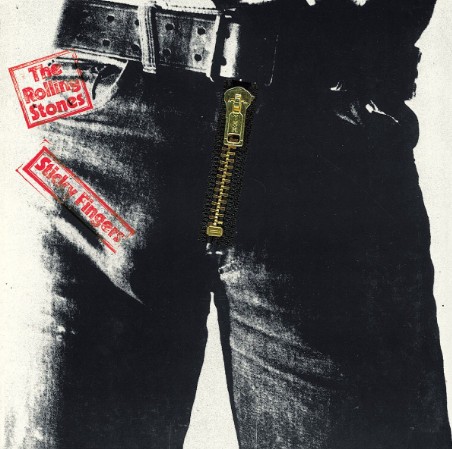
Is it because a young me once purchased a copy of the original vinyl record, zipper intact, at Half-Price Books for less than $20? Maybe, but one can’t deny how well-paced a record it is. It has hits, ballads, and blues up to your ears, and they’re doing it with less than usual.
The album’s leadoff track, “Brown Sugar,” in many ways (not all good), is everything the Stones are all about. It has an iconic Keith Richards riff, a bluesy swagger, and a sing-along chorus. Now, the lyrics… So, it is true the Stones often push the envelope lyrically. They did submit a song called “Cocksucker Blues” once after their label bugged them for another single. I’m not sure if the slave trade was a good jumping-off point for a sexy rock song like “Brown Sugar,” but musically it’s a hell of an opener.
Along with one of my favorite Stones openers is my favorite Stones ballad, “Wild Horses,” inspired by Marianne Faithfull after she overdosed on sleeping pills, awoke after a six-day coma, and told Mick, “Wild horses wouldn’t drag me away.” Backed by Keith’s open-tuned twelve-string, it’s one of the band’s most intimate acoustic pieces.
Then you got face-melters like “Can’t You Hear Me Knocking.” Where would cocaine be without that song? I love the looseness of the interplay between Keith and Mick Taylor’s guitars. Taylor’s precision as a guitarist provided the band with more versatility when it came to jamming, as noted in the Santana-influenced bridge/outro. Also, man, that sax. Bobby Keys is a saxxy beast, to say the least.
“Bitch,” “Sister Morphine,” and “Moonlight Mile” are all rich texts in themselves, lyrically and musically. I didn’t want to go track-by-track, but it’s hard when they all hit this hard. I wouldn’t reorder or trim a single song. For me? This is the Stones.
Ranking: S Tier
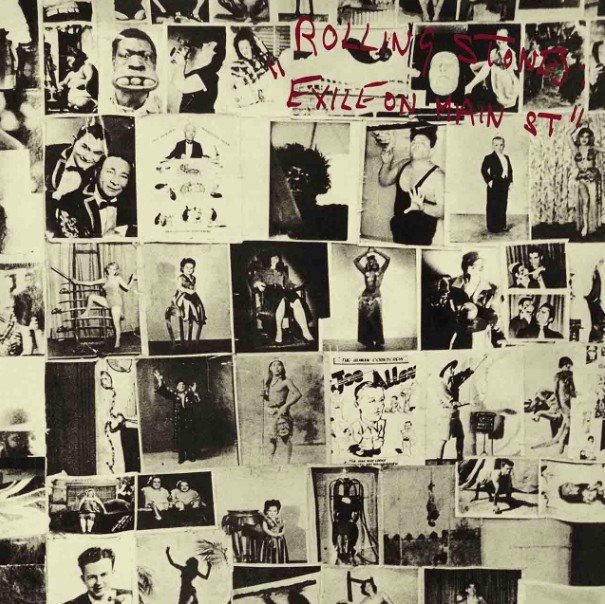 Exile on Main St. (1972)
The early ’70s were an odd time for the Stones. They were peaking creatively like never before without sacrificing their commercial success, yet the band was hemorrhaging money. The top tax rate for high earners in the UK could reach as high as 90%, meaning the Stones were unable to pay off debts from bad deals, years of overspending, and getting ripped off by Allen Klein. So instead of going broke, they all moved to the south of France in 1971, rented a villa called Nellcôte, and recorded one of the greatest rock records of all time.
I watched the 2010 documentary Stones in Exile in preparation. Not to understand the music better, I’ve heard the album plenty of times, but to understand where the band was at mentally. For some, the relocation was a breath of fresh air. Keith Richards and Anita Pallenberg could move around France during the day without being noticed, go shopping or visit the zoo, and come home and play music all night.
Charlie Watts and Bill Wyman missed England, Mick T. a mere 23-years-old was going with the flow, and Jagger floated in and out, preoccupied with his marriage and Bianca Jagger’s pregnancy. The band was all over the place, only coming together in late-night sessions where they would record in Keith’s basement using their mobile studio, let loose, and rip that joint.
“We were finally out of the system. We could do what we wanted, when we wanted,” Keith said in his autobiography Life. The band wasn’t scheduling studio time or adhering to any regimented plan or strict schedule. They would jam and see what came out.
The album has its share of Stones favorites: “Tumbling Dice,” “Rocks Off,” and “Happy,” featuring Keith Richards on vocals. But I think the strength of this album is all the weirder stuff, the lumbering “Ventilator Blues,” the shuffling “Shake Your Hips,” and who doesn’t love a song called “Turd on the Run”?
I don’t know how many times I’ve written the word “blues” so far, but Exile on Main St. finds the band paying tribute to their blues forefathers while also delivering one of the most fully realized versions of blues/rock ever put to tape. It sounds dirty, sweaty, and American. You’d never guess it was recorded in France.
Exile on Main St. is a fun record, but there’s also a sense of longing to it. The band had their freedom, but they were men without a country, singing about yesteryear. How poetic would it have been if they had never returned to England and never made another album?
…yeah right.
Ranking: S Tier
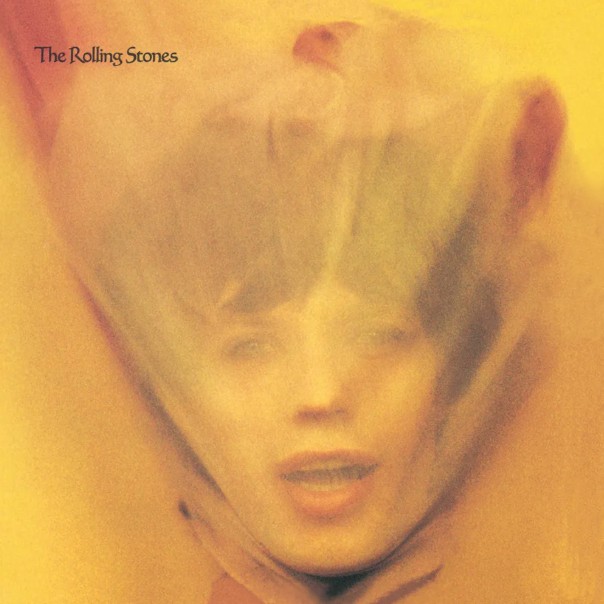 Goats Head Soup (1973)
A lot of my research for this list came from Bob Spitz’s 2026 book, The Rolling Stones: The Biography. I listened to the 22-hour audiobook during my Stones journey and noticed when I finished the section on Exile on Main St., there were five hours and thirtyish minutes left.
That means Spitz spent almost 17 hours on the band’s first ten years and about five and a half hours on the remaining 54 years of their career. I mention this because I also find it hard to say as much about the band’s body of work post-’72. It’s not that the band didn’t record any great songs or great albums after 1972, but the 1968-72 period does feel like a creative culmination they never matched again, at least for me.
Anyways, here’s Goats Head Soup:
By 1972 the Stones were exhausted. Stuck in tax-induced exile for at least another year, the band packed their gear and moved to Kingston, Jamaica, to record the follow-up to their most ambitious record to date. Why Jamaica? As Keith puts it:
“Jamaica was one of the few places that would let us all in! By that time the only country that I was allowed to exist in was Switzerland, which was damn boring for me, at least for the first year, because I didn’t like to ski … Nine countries kicked me out, thank you very much, so it was a matter of how to keep this thing together …”
Keith wasn’t in the best place mentally, physically, or musically. Knee-deep in a nasty heroin addiction, he wasn’t at the top of his game for Goats Head Soup, an album whose title was reportedly inspired by a Jamaican dish. Hmm, I wonder what’s in it?
Producer Jimmy Miller was also battling addiction during the sessions, and the laid-back atmosphere of Kingston did little to bring focus to a band running on fumes, not the fun weed kind either. The result is a drawn-out and uninspired mess of tired ballads and uneven styles.
I wanted to see what the vibe around GHS was on Reddit. Surprisingly, a lot of people seem to enjoy the band’s early dabbling with funk, but outside of “Doo Doo Doo Doo Doo (Heartbreaker),” I have a hard time remembering any of the up-tempo numbers. They feel like improvisational jams more than actual songs.
If it weren’t for Keith’s bittersweet ballad “Angie,” I’d rank this even lower. “Angie” might be my favorite Stones ballad after “Wild Horses,” so I’ll leave the album in the C tier. Hopefully we get a better follow-up when all those clouds disappear.
Ranking: C Tier
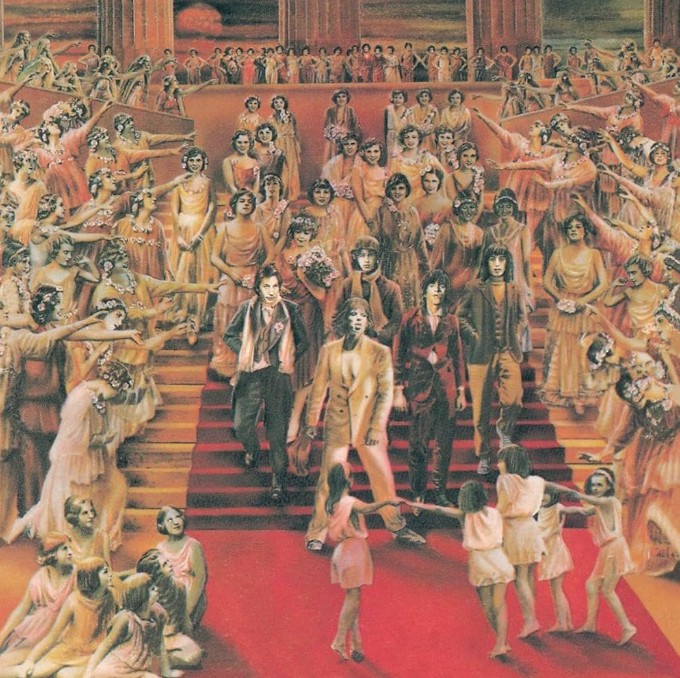 It’s Only Rock ‘n Roll (1974)
This was one of the few Stones vinyl records, or records in general, I bought as a teen. I was a big fan of the single, with its dopey music video where the band dressed like sailors as they are engulfed in suds. I never made it past the single. Now I have, and I don’t feel like I missed much.
By the fall of 1973, the Rolling Stones were no longer tax-exiles in the strict sense, but not based anywhere. So they chose Musicland Studios in Munich, Germany as the site of their next album. Finishing a tour of Europe, the band conceived an album half consisting of live performances and half consisting of covers of the band’s favorite R&B numbers.
The idea was scrapped, with the exception of “Ain’t Too Proud to Beg,” which, as far as I’m concerned, is cheating, because that song is so good you’d have to go out of your way to fuck it up. Anyways, the band decided the rest of the album would feature exclusively new material.
Jagger and Richards took over production duties from Jimmy Miller (who had produced their previous five albums), now working under their nickname “the Glimmer Twins,” after wanting to explore and experiment in the studio themselves. The results are a tight and polished album. I wish I could say the same for the songs.
Did you know there are three songs on this album over six minutes long? And two more over five minutes. And it’s not like we’re getting cool, genre-defying musical detours like on “Can’t You Hear Me Knocking.” It’s a lot of droning, a lot of sleepy ballads, and outside of the first minute or two of “Time Waits for No One,” a lot of filler.
But thankfully, this album does have a banger of a lead single. It’s the name of the freakin’ album, and yet it doesn’t even feature the whole band. Mick Jagger recorded the original version of the song at Faces guitarist Ronnie Wood’s (foreshadowing) house in Richmond, London, with Ronnie on guitar, David Bowie on backing vocals, Willie Weeks on bass, and Faces drummer Kenney Jones on the skins.
The Stones kept the original rhythm track and added Keith Richards on electric guitar and backing vocals. The result was a top 20 hit in the US and a top ten hit in the UK.
I don’t have a lot to say about the rest of the album, but it is worth mentioning the appearance of Ronnie Wood, considering this would be Mick Taylor’s last full album with the group. Tired of the lack of creative control or accreditation in the songwriting process, Taylor left the band not long after filming the “It’s Only Rock ’n Roll” music video in December 1974. A sad but necessary end to the tenure of “Little Mick,” but you can’t always get what you want… Remember when these albums had great songs?
Ranking: C Tier
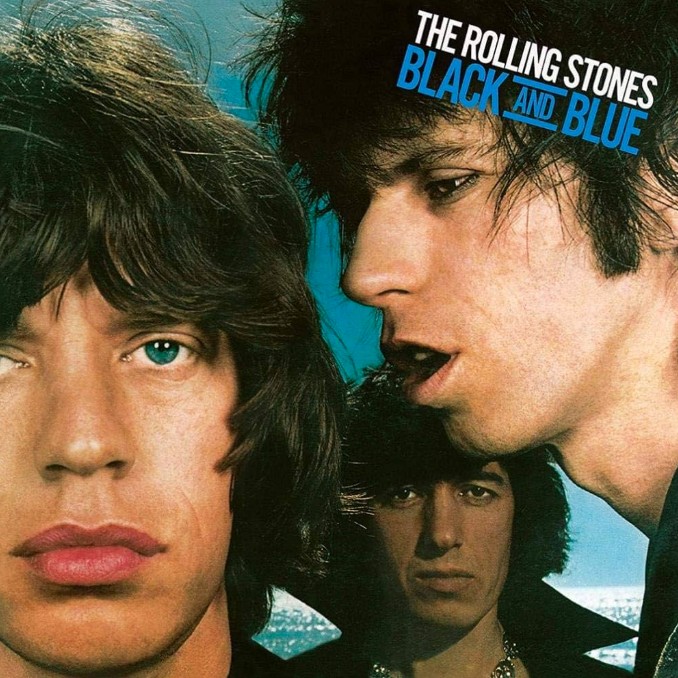 Black and Blue (1976)
“The first meaningless Rolling Stones album,” Lester Bangs wrote of Black and Blue in the pages of Creem magazine. Which is fair, considering the band wasn’t exactly firing on all cylinders. Keith Richards’ drug dependency had spiraled so far out of control he was barely conscious during the tour supporting the album. He even fell asleep during a performance of “Fool to Cry.”
As Keith put it, “I fell asleep on stage right in the middle of ‘Fool to Cry’… It’s a very boring tune, and I was pretty out of it.”
“A very boring tune,” and that’s the album’s lead single we’re talking about. It’s a shame, because this was the debut of Ronnie Wood. Not as an official member of the band, but Woody, as he’s often called, plays on a majority of the tracks. Then again, he wasn’t the sole guitarist competing for a spot in the Stones.
Guitarists Harvey Mandel and Wayne Perkins both auditioned for the band, and guess what? They’re on multiple tracks too. Black and Blue is a recorded job interview, and Ronnie got the gig.
Though Ronnie does appear the most, and he’s even on the cover… er, the back cover anyway. Black and Blue came in a gatefold sleeve, which finally answered a long-standing question of mine, “Why is Bill Wyman sandwiched between Keith breathing into Mick’s ear on the front cover?” It’s cuz the other two guys and the rest of Mick’s face are on the back cover.
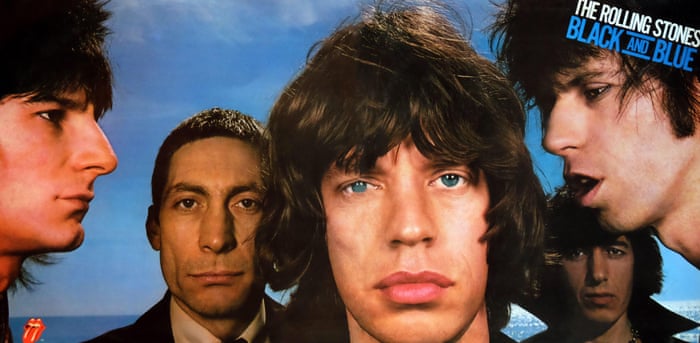
I’d love to prove Lester wrong and say Black and Blue is an underrated collage of funk, reggae, and R&B, anchored by the dreamy ballad “Fool to Cry.” I think that’s what the band would want you to believe. But Black and Blue is boring. It has no bite, no memorable singles, and songs so long, you might find yourself joining Keith and taking a nap halfway through.
Ranking: D Tier
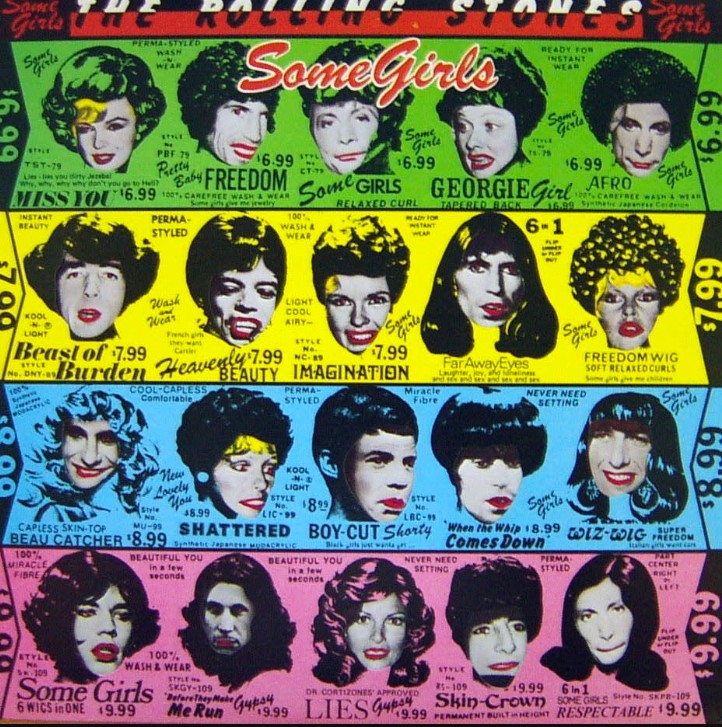 Some Girls (1978)
FUCK, Some Girls (punctuation is important), I had no idea of your game.
Look, I’d heard things. Raves. “Psst, this is actually the best Stones album,” or, “I don’t even like the Stones, but I like Some Girls.” I didn’t believe them. I’ve always liked “Miss You” and “Beast of Burden,” but the latter is the second-to-last song on the album and it closes with “Shattered.” Huh? And what’s “Just My Imagination” doing here? It felt like another case of, “Oh, I don’t know, I like this song, I guess it’s on the album,” a la “Ain’t Too Proud to Beg” on It’s Only Rock ’n Roll.
I was wrong. I was so wrong.
What looks like an assortment of disparate styles gels together. Some Girls is an album where Mick Jagger read the room, saw what was in vogue, i.e. punk and disco, and attacked it the Stones way.
I say Mick Jagger and not Mick and Keith because a lot of what makes Some Girls great can be traced back to Mick’s time spent living in New York City and absorbing the music scene. Punk, disco, nightlife, fashion, sleaze, anxiety. The city is all over this album. To the point it’s shocking it was recorded in Paris. The album feels so, “Hey, I’m walkin’ here!”
Keith was struggling with serious drug charges at the time, but his playing is in fine form. Nowhere is this more evident than on the soulful riff to “Beast of Burden.” Some Girls is heavier on guitars than you would imagine considering its detours into disco and funk. Keith and Ronnie and even Mick all bang out a full on assault on guitar. The parts aren’t as intricate as past recordings but the angst behind them is through the roof.
The band was prolific during the Some Girls sessions, cutting around forty tracks before whittling the album to a lean ten. I wouldn’t change a thing. Even the silly country ballad “Far Away Eyes” is funny and memorable for all the right reasons.
Obviously, the standout is “Miss You.” Few rock bands have ever melded disco and rock music together as effortlessly. What ties it together is the ferocious harmonica playing of Sugar Blue, whose contributions are also all over the album’s title track. An equally notable song, though not for its success. It generated controversy thanks to lyrics like, “Black girls just want to get fucked all night.” But it wouldn’t be the Stones if they weren’t being perverse.
There’s an urgency throughout Some Girls. It’s there in “Respectable,” where Mick snarls, “You’re a rag-trade girl, you’re the queen of porn. You’re the easiest lay on the White House lawn.” It’s there in the repeated cries of “Lies! Lies! Lies!” on “Lies.” It’s there in the manic energy of “Shattered,” which sounds like Jagger is having his 19th nervous breakdown.
The band is a ball of fire on Some Girls, and when the whip comes down, they deliver.
Ranking: S Tier
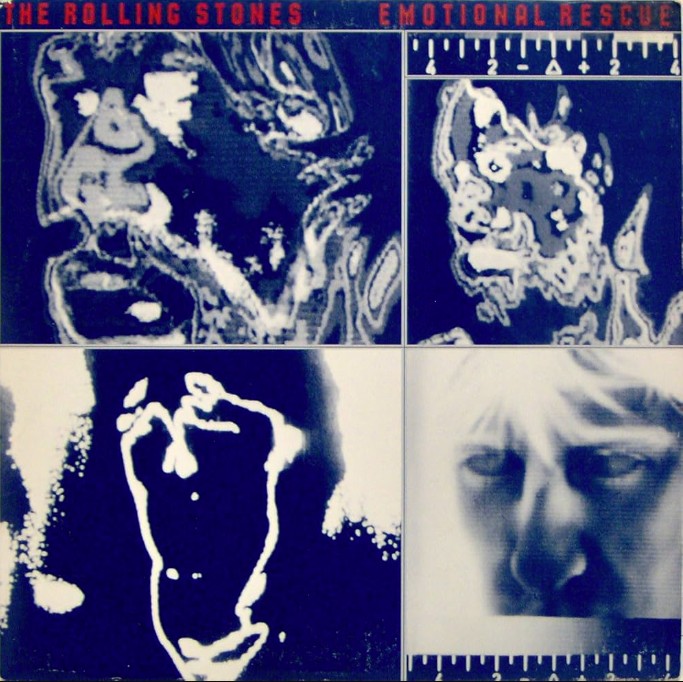 Emotional Rescue (1980)
I write each of these album blurbs after I finish said album but before starting the next album. So it’s always a surprise. Sure, I knew Some Girls would be an upswing, like I know Tattoo You is a later period standout, but otherwise I go into these unbiased and with an open mind. That being said, I can’t think of an album I have less to say about.
Emotional Rescue is not a bad album but considering the energy behind Some Girls it’s a disappointing follow-up. The Stones continue to toy with dance music on this album, much to Keith Richards’ chagrin, but they are successful more often than not.
If any rock and roll front man was destined for disco it was Mick Jagger. He has the swagger, sex appeal, and falsetto to crush a track like “Emotional Rescue” with its funky bassline and four-on-the-floor drumbeat. It’s a shame you have to wait 7 tracks to get to the bloody thing.
My biggest problem with Emotional Rescue isn’t the songs so much as it is the pacing. I would have much preferred the album to open with “Emotional Rescue” and go right into the band’s second single, a classic Stones romp with “She’s So Cold”. Instead both songs are well into the second side. Don’t get me wrong. I like “Dance (Part. 1)” (where’s part 2?) and “Send it to Me” but I came here to be rescued… Emotionally rescued.
Sales were solid and the lead single performed well. Reviews were muted but not overtly negative. Emotional Rescue is a real, “time to go to work boys!” kind of album. Business as usual with a few surprises mixed in.
Ranking: C Tier
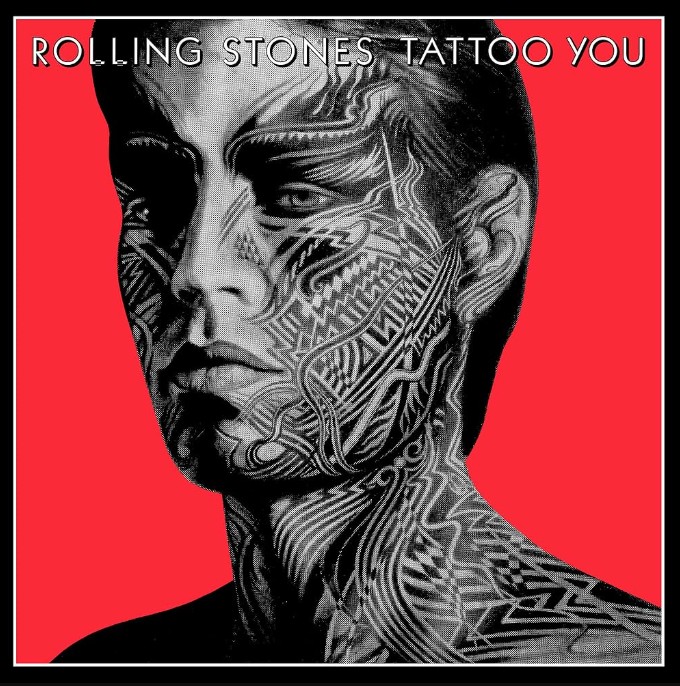 Tattoo You (1981)
It boggles the mind to think “Start Me Up” was recorded during the Black and Blue sessions and shelved. Black and Blue, an album desperate for hits. An album where Keith Richards called the lead single “boring.” It could have featured the Stones’ biggest hit of the ’80s and the last monster hit of their recording career.
But “Start Me Up” needed more time in the oven. Originally conceived as a reggae jam called “Never Stop,” the band dicked around with it take after take until Jagger deemed it too close to “Brown Sugar” and shelved it for six years. It eventually reemerged as the opener to their 1981 album, as a hit single, and a staple of MTV’s early years.
Tattoo You never should have worked. The band, preoccupied with touring obligations and various disputes, mostly with each other, didn’t have the time or inclination to record a new album. So they Frankensteined together unused cuts, demos, outtakes, and whatever else Keith had lying around in his big black bag. The result? A weirdly solid album.
It reminds me of how the Beatles shelved Let It Be only for it to become a timeless album anyway. The songwriting is that good. The same goes for Jagger and Richards. If a band writes enough great songs, chances are they’ve got a vault full of great songs nobody’s heard. There’s only so much room on an album.
I also like that this means we get to hear familiar sounds. Mick Taylor appears on two tracks thanks to the band revisiting older recordings, including “Tops” and the bittersweet “Waiting on a Friend,” the latter a favorite of mine.
The backlog is filled with catchy numbers. The doo-doo-driven “Hang Fire” is a toe-tapper, as is the comical “Neighbors.” “Slave” is a sleazy jam, and “Little T&A” is even sleazier, with king sleaze himself, Keith Richards, on lead vocals. There’s a lot of variety here, but the Stones’ sound is so uniform it all holds together.
Tattoo You was slapped together so the band would have an album to tour behind, yet it became the final Rolling Stones album to reach number one in the United States. The end of an era without even trying. Sounds like the Stones.
Ranking: B Tier
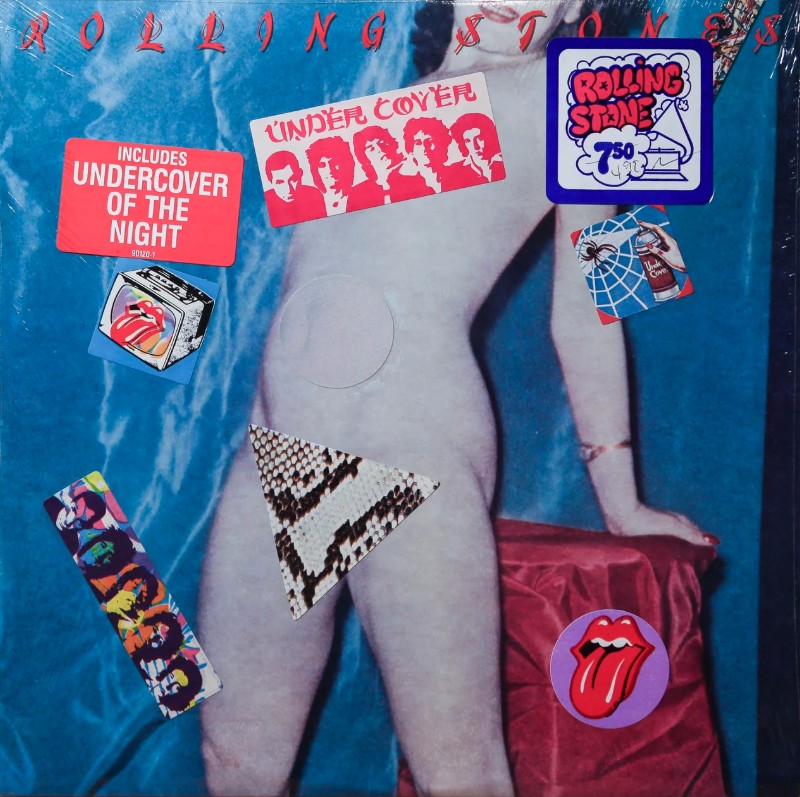 Undercover (1983)
Back in the days before YouTube, I used to hunt down VHS tapes and DVDs with footage of ’60s rock bands like a jackal in heat. I couldn’t hop onto my dial-up internet connection and watch Stones videos anytime I wanted. Who knew if there was a reliable site, or a music video that wasn’t a tiny, pixelated RealPlayer clip?
So you can imagine my excitement when I found a Rolling Stones VHS at Hollywood Video. Video Rewind: The Rolling Stones’ Great Video Hits, is a 1984 collection of music videos framed by Bill Wyman as a security guard at the British Museum exploring the “Exhibit of Ancient Antiquities” and watching a series of Rolling Stones music videos. At the end, Mick wakes him up in his dressing room to go play a show. It was dumb as hell. I loved it. But what about the album it was promoting?
Spoiler: I like that too.
In many ways, Undercover is the band’s first real album of the ’80s. Emotional Rescue was recorded in 1979, and Tattoo You was all reworked ’70s tracks, so Undercover is their first true ’80s album. And honestly, I think the band adapts well.
What’s great about the Stones is they weren’t opposed to following musical trends, but those trends were always filtered through the Stones sound. You’d get a synth here or an ’80s drum beat there, but you never felt like you were straying too far from the band’s distinct blues-rock sound.
The album kicks off with the political “Undercover of the Night,” a dark dance-rock groove about political unrest in Latin America. The track sounds like the Stones doing their best version of the Talking Heads, and I’m here for it. The song was a mild success, but I don’t think most people warmly embraced a track driven by CNN headlines.
The album mellows out considerably with “She Was Hot”, a standout among my friends after we saw the music video on that 1984 compilation. In the video, Mick sings about a woman so hot she burns him into the floor, makes a thermometer explode in Keith Richards’ mouth, makes men collapse, mountains crumble, and biceps explode.
The third single, “Too Much Blood,” has my favorite lyrics on the album when Mick discusses The Texas Chain Saw Massacre:
“Did you ever see ‘The Texas Chain Saw Massacre’? Horrible, wasn’t it? You know people ask me, “Is it really true? You know where you live in Texas? Is that really true what they do around there, people?” I say, “Hey, now every time I drive through the crossroads I get scared there’s a bloke running around with a fuckin’ chain saw! Oh, no, he’s gotta cut off me… Oh no no! Don’t saw off me leg, don’t saw off me arm!”
Madness. There are a lot of swings taken on Undercover, and even if the rest blurs together, it’s got a cool dance/pop vibe to it. I wouldn’t go out of my way to recommend it or listen to it again, but I won’t skip any tracks if they pop up on Spotify. And I sure as hell wouldn’t skip the “She Was Hot” music video anywhere it meets me in life.
Ranking: B Tier
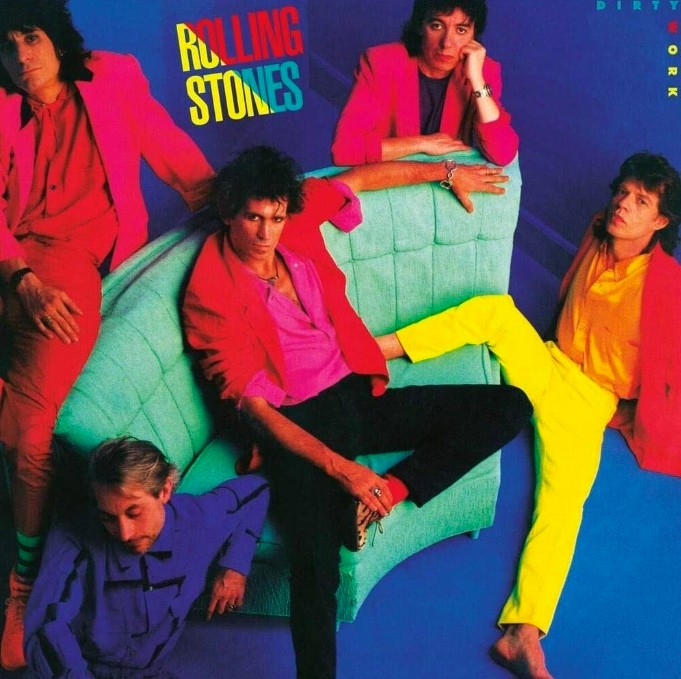 Dirty Work (1986)
I’m not normally one to judge a book by its cover, but Jesus, this cover looks like it was forged by Lucifer himself in a fire of neon pink flames. It looks like the kind of cover Color Me Badd would put out. I mean, Keith Richards in an ice-cream-colored blazer? Color me not surprised this album blows.
The Stones were adaptable but never felt truly at home in the ’80s. Mick Jagger did, with his pompous stage persona and pouty lips. He was tailor-made for the MTV generation. Which is why the ’80s were the perfect time for Mick to record his debut solo album, She’s the Boss, a year before Dirty Work.
She’s the Boss was a success, as was Mick Jagger’s 1985 hit duet “Dancing in the Street” with David Bowie. Mick even played a solo set at Live Aid, which closed with an exciting duet with Tina Turner. Less celebrated at Live Aid was Keith Richards and Ronnie Wood backing Bob Dylan in a notoriously sloppy set plagued by technical issues.
Keith and Ronnie are such ’70s guys, it doesn’t surprise me they felt like men out of time in the ’80s. Nor does it surprise me a rift had formed between Mick and Keith over the direction of the band. If there even would be a band with Mick’s burgeoning solo career.
But the band persevered and put out another album… and yep, it’s an album alright. An album with no great singles and dated production. The word on the street was Mick Jagger was saving his best songs for his next solo album. Primitive Cool came out in 1987 to little fanfare or critical acclaim, so I don’t think he was holding onto anything good.
“One Hit (To the Body)” was the album’s lead single, a paint-by-numbers rocker. The most interesting aspect of the song is the music video directed by Russell Mulcahy (Highlander) in which Mick and Keith look like they’re trading blows two-minutes into the song. When your biggest highlight is two of your bandmates fighting, we’ve got a problem.
The other single is fun in a campy way, the scruffy, mid-tempo “Harlem Shuffle,” where once again the music video is more interesting than the song. This time the Stones, dressed in colorful zoot suits, dance alongside Ralph Bakshi animated cats on what looks like a proto-Cool World set.
I was wondering why I didn’t know either of these songs, and it’s because neither was featured on my favorite Stones compilation Forty Licks. This despite the fact “Harlem Shuffle” was a modest hit. It goes to show how little the band cared for this album. They’d sooner pick forty other songs for a compilation than these ones.
The group was a mess. Mick and Keith were feuding. Charlie, usually Mr. Dependable, was struggling with drugs and alcohol, and Bill Wyman was courting a teenager. I don’t know what Ronnie Wood was doing, but I assume whatever it was involved cocaine.
Dirty Work was a commercial success despite the critical haranguing, but the future of the Stones was uncertain.
P.S. this was Ian Stewart’s last album with the band. RIP Stu. You’re boogieing with the angels now.
Ranking: D Tier
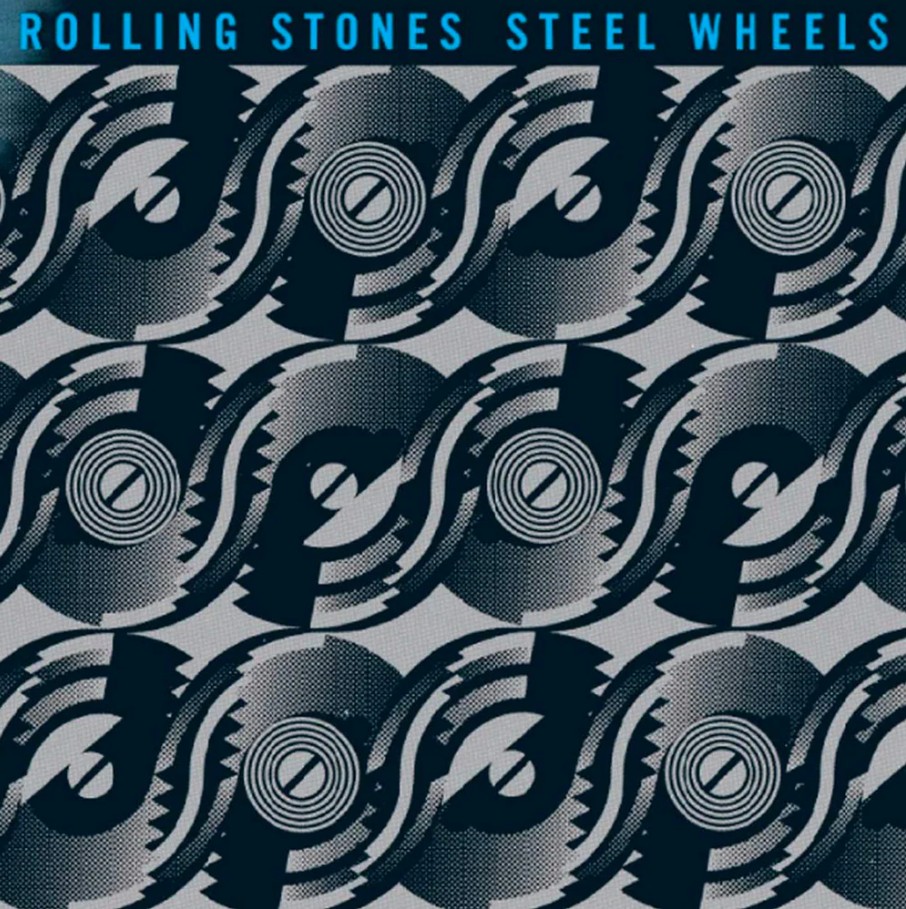 Steel Wheels (1989)
One of my favorite background gags on The Simpsons is when Lisa is in the future, hanging out in bed with her beau-to-be Hugh, and behind them is a poster that reads: “The Rolling Stones Steel Wheelchair Tour 2010.” The Stones walked–excuse me, rolled, right into jokes like that with the album title Steel Wheels. It’s also crazy to think the idea of the Stones touring in 2010 was considered funny in 1995. Crazy because 2010 was sixteen years ago, and the band toured as recently as 2024.
At the time, Steel Wheels was considered a comeback of sorts. Not because it could hold a candle to anything the Stones had done in the previous decade, but because it was that much better than Dirty Work. Keith and Mick were back to being BFFs, and their sound was streamlined.
The album had a few hits, notably “Mixed Emotions,” which was indeed one of the Forty Licks. Though “Rock and a Hard Place” and “Almost Hear You Sigh” also received plenty of airplay. The album was successful, reaching No. 3 in the U.S. and No. 2 in the UK.
The bigger story is the tour that followed. The Steel Wheels/Urban Jungle Tour was the band’s biggest to date. Lasting over a year and featuring 115 shows, it set a new revenue record in 1990. They lost the record to Pink Floyd in 1994, reclaimed it in 1995, and broke it again in 2007. Of course, all touring records are now ruined because of Taylor Swift. Ain’t nothin’ ever beating that.
I’m glad the vibes were good again after a tumultuous decade, especially considering this would be the last Stones studio album to feature Bill Wyman before his departure in 1993. In a perfect world, the Stones would never need to record another album again and tour off their robust catalog for decades to come. Also, I could finally be done with this list.
But alas, the Steel Wheelchairs roll on…
Ranking: C Tier
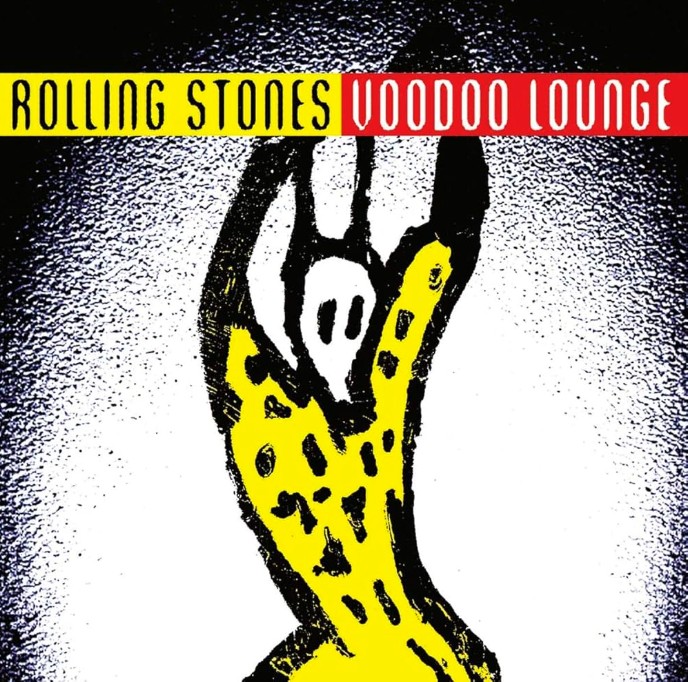 Voodoo Lounge (1994)
It’s easy to forget how much music videos used to shape our opinions on songs. Especially if it’s a good, or even great video, the two will forever be intertwined. I can’t think of “Thriller” without thinking of the video. I can’t think of “Smells Like Teen Spirit” without thinking of the video either.
“Love is Strong” isn’t a classic music video by any means, but I saw it at a young age and it’s stuck with me. Directed by David Fincher, the black and white music video features the band, along with other various hot people, as giants, rocking and rolling their way through Manhattan. Featuring solid compositing effects, the video is as impressive today as it was in 1994. It even won awards at the Billboard Music Video Awards and the Grammy’s.
My love for the “Love is Strong” video, along with the hip vibe of the song with its slow groove and freight train harmonica breaks made me want to believe its album, Voodoo Lounge, would be a diamond in the rough. “It has one effortlessly cool song, it must have more? Right?” Dude, I wish.
The band’s first album in five years, first without Bill Wyman, and the first of the ‘90s was a solid entry into a new decade. The band was breaking touring records and felt more at home in a post-grudge world. More so than the era of synthesizers, anyway. There was no reason they shouldn’t have smashed this one into the stratosphere.
Voodoo Lounge opens strong. I mean, how could it not when the opening track is “Love is STRONG”? We’re treated to a one-two-punch with “You Got Me Rocking” in the two-hole, a song deemed good enough to be one of the band’s Forty Licks on their 2002 compilation. At this point I’m feeling good.
Then my mind wanders.
There are cool ideas on Voodoo Lounge. Chuck Leavell playing harpsichord to the acoustic “New Faces” is a sound harkening back to the days of Aftermath. I can’t recall any acoustic tracks from the band during the ‘80s. Voodoo Lounge is at least trying to mix it up.
But outside of the first two songs on the album, the rest never comes together. Not enough to warrant a 62 minute runtime. What went wrong? A year after the album’s release, Mick Jagger commented:
“… there were a lot of things that we wrote for Voodoo Lounge that Don steered us away from: groove songs, African influences and things like that. And he steered us very clear of all that. And I think it was a mistake”
Co-Producer Don Was argued he was not: “anti-groove, just anti-groove without substance, in the context of this album. They had a number of great grooves. But it was like, ‘OK, what goes on top of it? Where does it go?’ I just felt that it’s not what people were looking for from the Stones. I was looking for a sign that they can get real serious about this, still play better than anybody and write better than anybody.”
It’s hard to say whether the songs are lacking on Voodoo Lounge because Don Was limited the band or because the songs weren’t there. I tend to side with the latter opinion considering the back-half of the ‘80s wasn’t the most fruitful period for the band.
Voodoo Lounge feels like a tease but a tease is better than a slog. So album number 20 gets a pass. It’s too long with plenty of snoozers, but it has talented musicianship, like new Stones bass player (not officially) Darryl Jones, and cool moments like “Thru and Thru” (sung by Keith) later featured on The Sopranos’ episode, “Funhouse”.
Whatever the tier ranking, the “Love is Strong” video is top tier.
Ranking: C Tier
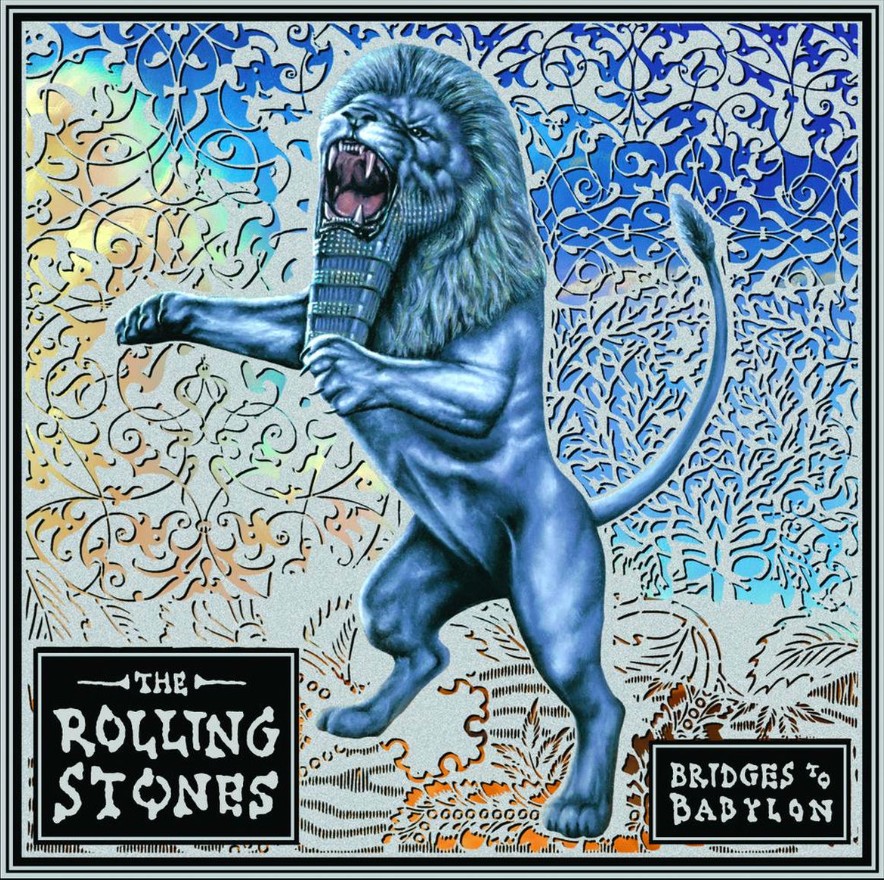 Bridges to Babylon (1997)
What’s tough about this ’90s stretch of the Stones discography are the runtimes. Both Voodoo Lounge and Bridges to Babylon run over 62 minutes. This may not seem long, but keep in mind Exile on Main St., presented as a sprawling double album, is only 67 minutes long, and Exile is the band at their peak! Bridges to Babylon (like Voodoo Lounge) has good songs, but not enough to justify a runtime longer than an episode of The Sopranos.
The album’s lead single, “Anybody Seen My Baby?”, was a real blast from the past, as I hadn’t heard the song since the last time I listened to Forty Licks 23 years ago. Back then, it was easy to dismiss the Stones’ synth-bass-driven collaboration with the Dust Brothers. Outside of the new songs recorded for Forty Licks, it was one of my least favorite tracks on the compilation.
“Anybody Seen My Baby?” has grown on me. I like the melody of the chorus and the backing vocals from Blondie Chaplin and Bernard Fowler. It even samples Biz Markie! It feels like a song U2 could have released in the late ’90s, and I appreciate Mick’s desire to work with the Dust Brothers after being impressed with their work on Paul’s Boutique and Odelay.
Keith, however, was not excited about working with “loop gurus,” as he called them. Babyface and Danny Saber, among others, also brought in, much to Keith’s annoyance, and as a result the Stones hardly spoke to one another while recording Bridges to Babylon.
“Saint of Me” is inoffensive late-’90s pop. It wouldn’t have felt out of place in a ‘90s car commercial. Which isn’t a diss, per se; it’s just a very safe-feeling song. The album’s third single, “Out of Control,” is funky and percussive, and even though it never builds to anything memorable, it’s a cool vibe.
“It Might as Well Get Juiced” is the album’s most experimental track. Another Dust Brothers collaboration, the song is a slow descent into trip-hop and acid jazz. I don’t know how successful it is, but I admire it for being something different. Often, while listening to this album, I’d find myself saying, “Oh, that’s kinda neat. Well hey, good for you!” Like I’m trying to support my child as they take on a new endeavor.
I was prepared for either this album or Voodoo Lounge to be my least favorite Stones record, but apart from the runtimes, I find both albums harmless enough and at times, kind of fun.
Also, that album cover is dope.
Ranking: C Tier
 A Bigger Bang (2005)
There are few albums on this list that I have memories of when they were new, which is understandable considering I was born in 1989. In many ways, A Bigger Bang was my coming-of-age Stones album, a memory made even sweeter by the fact that it’s actually good.
The Stones went back to basics with their first album of the 21st century. Jagger and Richards wrote much of the material together at Mick’s château in Pocé-sur-Cisse. Most of the basic tracks were then recorded by just Mick, Keith, and Charlie Watts, with overdubs and additional players added later.
I don’t know if it’s just me, but I get a real ’70s feel listening to A Bigger Bang. Not the Jimmy Miller blues part of the ’70s, more so the Some Girls period. It wouldn’t be hard to imagine a disco-funk number like “Rain Fall Down” on an album like Some Girls or Emotional Rescue. “Streets of Love,” one of the Stones’ strongest singles in years, with Mick’s falsetto chorus, also feels like it could have been the best song on Black and Blue.
I’m iffy about the latter-period ballads from the band, but “Streets of Love” and “Biggest Mistake” are catchy enough to hold my attention. Another spotty area is whatever tracks Keith chooses to sing on any given album. Or at least his approximation of singing. That being said, I really like “This Place Is Empty,” a bittersweet melody sung by Keith doing his best Nick Cave impression.
The Stones aren’t reinventing the wheel on A Bigger Bang, but it’s easily their best batch of songs in more than twenty years. It was even good enough for Colin and me to go see the Stones’ IMAX concert film directed by Martin Scorsese a few years later. The band and co-producer Don Was found a sweet spot. Whether it was luck or the boys buckling down and doing their homework, I don’t know. But the album gets a passing grade in my book.
Ranking: B Tier
 Blue & Lonesome (2016)
I’ve been dreading this album since the day I found out it existed. The Rolling Stones will always be great blues musicians. Mick blows a harp like it’s nobody’s business. That being said, the last thing I want to listen to is a cover album by people older than my parents.
Jagger and Richards are one of the great songwriting duos in all of rock and roll. So when they get together to record and decide, “I don’t have anything new. Let’s play some covers, eh?” it might actually be time to hang it up.
It had been 11 years since A Bigger Bang, the band’s biggest gap between albums since they began their recording career in 1964. At first, I wondered if this was meant to fulfill a contract or if it wasn’t planned as an entire album. From what I’ve read, it sounds like the band was trying to record new songs at British Grove Studios in London, started dicking around with a cover of Little Walter’s “Blue and Lonesome,” and that song inspired them to record an entire album paying tribute to their blues forefathers.
This is not reassuring.
You’re telling me the band came up with this album because they were struggling to introduce new songs? I don’t hate cover bands, but I couldn’t care less about a cover album. Unless said renditions are new interpretations, like the psychedelic covers of Vanilla Fudge or when Klaus Nomi sang Lou Christie’s Four Seasons knockoff “Lightnin’ Strikes” like an alien, I couldn’t give two shits.
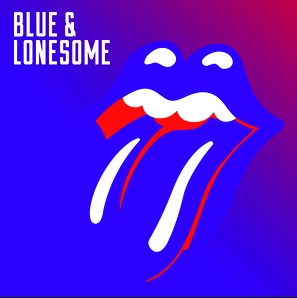
The Stones are doing nothing here to test their boundaries as musicians or appease anyone but their most hardcore fans. Even the album cover is the band’s official logo. They just sat down, recorded an album in three days with Don Was, who they’ve worked with a billion times already, pretended to be old Chicago bluesmen for forty-odd minutes, and charged money for it.
I can’t in good conscience give anything the Stones have recorded an “F.” They’re too good to ever completely waste my time, but this comes close. I am thankful our journey doesn’t end here, though I am fearful of what comes next.
Ranking: D Tier
 Hackney Diamonds (2023)
I was trying to listen to the new McCartney the other day, and it made me sad. Not because the songs aren’t good. More so the reminder that McCartney, the Stones, and all the greats of ’60s rock and roll are on the last leg of their tour (of life), and they sound like it.
I can’t tell if it’s good or bad that producer Andrew Watt masks McCartney’s age with a blanket of Auto-Tune. He uses the same tactic with the Stones. Yes, he produced both McCartney’s The Boys of Dungeon Lane and the Stones’ Hackney Diamonds, and yes, I don’t like his work.
The production on Hackney Diamonds is slick and polished, yet hollow. The album feels unnatural, artificial. Then again, maybe the Stones don’t care anymore, considering the music video accompanying the album’s lead single, “Angry,” uses copious amounts of A.I. to make the band look young again, appearing on a series of billboards as Sydney Sweeney cruises down the Sunset Strip. I might be able to give the idea a pass if the execution had been done well, but it looks like shit.
I miss Don Was. He didn’t produce the best albums, but his work felt far more complementary to the Stones’ rough-around-the-edges style. A Bigger Bang is stripped down in a way that makes you feel like the band is in the room with you. Hackney Diamonds feels like you’re floating around in your WALL·E hoverchair watching the Stones through a VR headset.
I find Hackney Diamonds (named after an East London term for the broken glass left behind after a robbery) difficult to rank. The songs aren’t bad. A few are very good. But the album has this glossy sheen over it that I find so unappealing. “Angry” is a bummer because it feels like a callback to the Tattoo You days.
Titles like “Bite My Head Off” and “Live by the Sword” feel reminiscent of the punk-infused rock of Some Girls. There’s something here, but too often it’s stifled by age being being obscured by a cloak of studio wizardry. It feels like listening to A.I.-generated music.
And yet this album won “Best Rock Album” at the 2025 Grammys. I can’t tell if that’s a bigger indictment of the Grammys or contemporary rock and roll (probably the Grammys), and the reviews were good. “Sweet Sounds of Heaven,” featuring Lady Gaga, has been dubbed a new Stones classic. I like that song too, but I HATE the production.
And even though he was “just the drummer,” it feels weird for the Stones to continue without Charlie Watts. I think once you lose enough core members, it’s hard for a band to feel like the same band. It’s why I’ve never been gung-ho about seeing The Who post–John Entwistle. A band is more than its lead singer. It’s a balanced group of talented individuals with decades of chemistry.
This album probably should be higher than D tier, but this is a D ranking on principle. Hackney Diamonds isn’t bad, but it existing makes me… angry.
Ranking: D Tier
 Foreign Tongues (2026)
I was browsing Reddit yesterday morning when a headline about the Stones popped up in my feed. “The Rolling Stones Have Just Made Their Best Album in 48 Years,” declared the fine folks at inews.co.uk. If I’d had my coffee already, I would have spat it out.
48 YEARS?!? So, 1978, when Some Girls was released. We’re saying Foreign Tongues is better than Tattoo You? The album that gave us radio classics like “Start Me Up” and “Waiting on a Friend”? And this new album has been almost universally praised. What are y’all smokin’, and where can I get some?
Look, it’s cool the Stones are still at it. Not only that, they aren’t stuck in the same gear, peddling track after track of tired white-guy blues rock. *cough cough, Blue & Lonesome. But these are 80-plus-year-old men. Sure, they can rock, and they can still write a banger or two, but they are not performing at the level they were even twenty years ago. I also hate how quick critics are to dismiss the fact that Charlie Watts has left us. This isn’t the same band it was 48 years ago.
I’ll tell you what I like about Foreign Tongues. The songwriting is diverse. There are blues-rock songs, dance-pop songs, country songs, and ballads. If you’re a big Stones fan, Foreign Tongues feels like a big gumbo of all their influences. But a lot of ingredients don’t always make the best gumbo, especially if you over-season it.
I’m not a fan of Andrew Watt’s overproduction. It’s most noticeable on the ballads or anytime the band gets too melodic. Actually, it’s at its worst on the Stones’ lead single, “In the Stars.” The song has an artificial feel a lot of Hackney Diamonds did. It even features a music video where Odessa A’zion dances alongside A.I.-de-aged versions of the band. There is something so unsettling about watching a 26-year-old woman lick an 82-year-old man’s face. I don’t care how much it’s been de-aged.
For me, the appeal of the Stones was that they were young, sexy, and hip, but also raw. They can still be raw. “Rough and Twisted” is real grab-you-by-the-balls blues rock, and I applaud them for it. But when the band still tries to be the sexy, hip Stones of yesteryear, it feels hollow. There’s a country song on here called “Ringing Hollow.” Is this an indictment of the band?
Judging from the vibe, you might think I hate this album. I don’t. There are songs I like. “Jealous Lover,” sung in a disco-inspired falsetto, is cute. I love the riff and refrain of “Mr. Charm,” but when is enough, enough for the Stones?
I’ve been watching interviews with Mick in the lead-up to Foreign Tongues, and this did provide me with some perspective. You can tell Mick still feels like the band has something to prove. He still wants to grow as a musician, and I find that incredibly admirable. Is it a desperate ploy for relevancy? Yes, but there is also a genuine effort here to make a good album.
It’s weird to listen to the Stones whittled down to three octogenarians singing about sex and rock and roll. But who else is doing that? I will always prefer bands that quit while they’re ahead, but there is something to be said for those who feel the desire to persevere, even when it doesn’t make sense anymore.
I don’t know how much time the Stones have left as a band. Charlie has passed, and Keith seems like he’s finally grown weary of touring, which, fair enough, you are in your 80s. Go sit on a beach, man! Numerous times in this retrospective, I said, “I wish they could have gone out on this one.” But that’s not how the Stones operate. They will always be hungry musicians, pickin’ and strummin’ until the day they are lowered into the cold, hard ground.
Though one thing I know for certain, those graves will never gather moss.
Ranking: C Tier
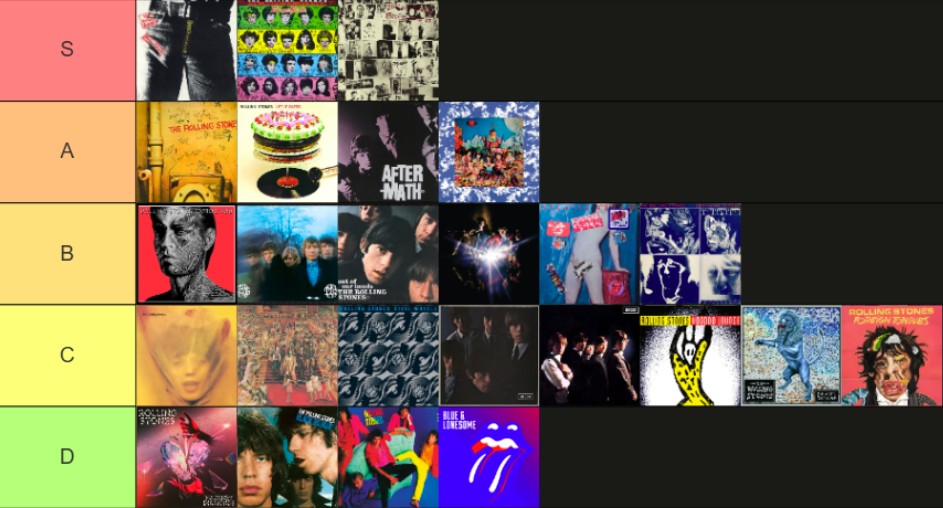
Now as a reward for those who stuck with me, or those who took my earlier advice to scroll all the way to the bottom here is my personal tier-ranking of the band’s UK discography: