



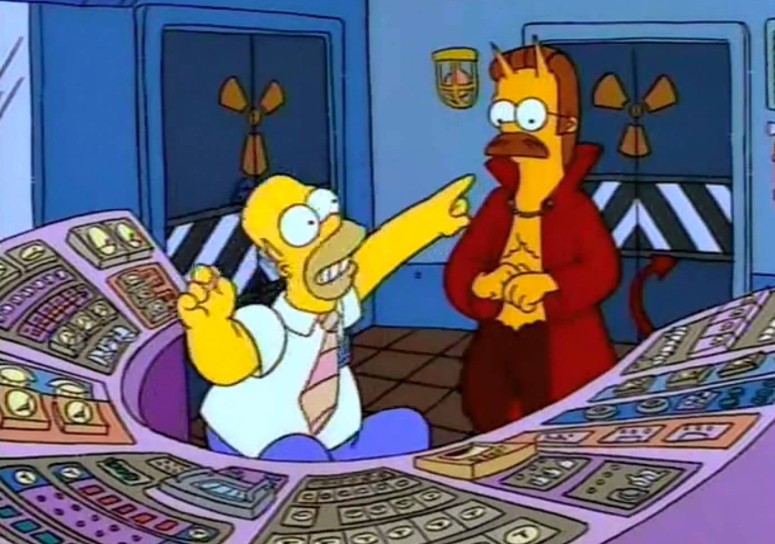
I first learned about “All That Money Can Buy” aka “The Devil and Daniel Webster” from the same place I learn all of my pop culture tidbits: The Simpsons.
“The Devil and Homer Simpson” was the first story in The Simpsons Treehouse of Horror IV, which first aired on October 28, 1993. In the segment, Homer sells his soul to the Devil (Ned Flanders) for a donut. Lisa pleads with the Devil for a trial, but only on the conditions that Homer spend a day in Hell, and that the Devil gets to pick the jury, a jury he refers to as the “Jury of the Damned,” which includes infamous historical figures such as Blackbeard, John Wilkes Booth, Benedict Arnold, and the starting lineup of the 1976 Philadelphia Flyers.
Just as the judge (Death) prepares to make his ruling, Marge interrupts with the family photo album. She presents a picture of herself and Homer at their wedding, and on the back of the photo Homer has written, “Dear Marge: You have given me your hand in marriage. All I can give you in return is my… soul, which I pledge to you forever.” Thus, it is concluded that Marge is the true owner of Homer’s soul, not the Devil. But the Devil gets the last laugh, turning Homer’s head into a donut.
It’s a funny story full of twists and turns, references, and effective horror. For years, I had no idea it had any connection to earlier source material, let alone that said source material had inspired numerous films and television adaptations.
“The Devil and Daniel Webster” is a short story by American writer Stephen Vincent Benét, first published in The Saturday Evening Post on October 24, 1936. I read the story in preparation, so sit back and let me tell ye a tale.
Jabez Stone (pronounced JAY-Bez) is a struggling farmer in 1830s New Hampshire. Jabez is so unlucky, he proclaims, “..it’s enough to make a man want to sell his soul to the devil.” As he utters these words, a stranger appears with facial hair like a ska band trumpeter, referring to himself as Mr. Scratch. Mr. Scratch offers to give Jabez seven years of prosperity in exchange for his soul. Desperate, Jabez agrees.
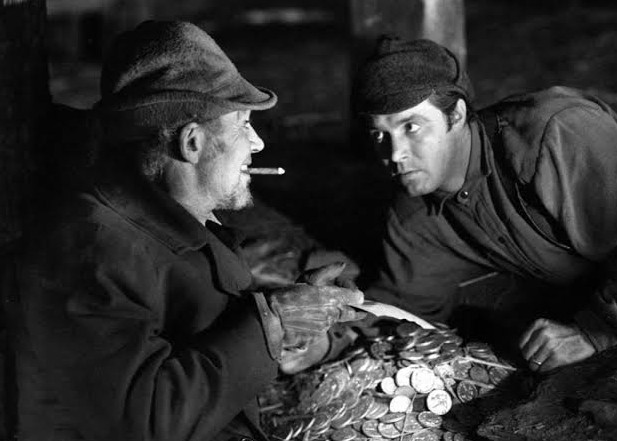
Instantly, Jabez’s cows get fat, his horses sleek, and his crops become the envy of the neighborhood. Jabez becomes so successful and popular within his community, there’s talk of a run for senate. Until, the devil–I mean, Mr. Scratch returns. Jabez pleads for a three year extension, which he receives. But next time, Jabez will be prepared, because he’s going to hire the great Daniel Webster to plead his case.
I’ve yet to mention the short story dedicates its opening paragraphs to Daniel Webster (who was a real person) and how beloved he was. A great lawyer, farmer, and true New Hampshiremen, Daniel Webster is the kind of guy who has so much rizz, fish jump out of the lake before he arrives. He’s an icon. Not just that he’s an AMERICAN Icon which is important in understanding and appreciating Benét’s story.
Webster takes the case but the odds are stacked against him. Not only must he argue against a cut and dry contract, he must convince Scratch’s jury of the damned. In the short story this jury includes; loyalists Walter Butler and Simon Girty, King Philip and Blackbeard (just like on the Simpsons), among other traitors and enemies to America. Benedict Arnold is mentioned but is disclosed as “being out on other business” which is funny. I don’t know why, but it is.

But Daniel Webster doesn’t find a message scribbled on the back of a photo. No, he argues Americans should never have to bend the knee before the Devil. America is a nation built on freedom, self-determination, and second chances. Why should the Devil have the right to deceive and torment the American people? He’s not even from here! And guess what? Daniel Webster wins! Sadly, there’s no last-minute twist where Jabez Stone is turned into a donut, or hardtack, or whatever they ate for breakfast back then.
How does this classic of American folklore translate to the silver screen?
Not bad! It’s too long but it captures the essence of the story. Which isn’t surprising considering Benét co-wrote the screenplay. It has whimsy, spookiness and a helluva lot of patriotism. The perfect watch in the week leading up to the Fourth of July.
Directed by William Dieterle, best known for directing the Best Picture Winner The Life of Emile Zola, the film is a Faustian story of how power corrupts. Reissued later in markets as All That Money Can Buy, considering the name “Daniel Webster” held little name recognition in contemporary 1940s America, the film was not a commercial hit, though it did well with critics.
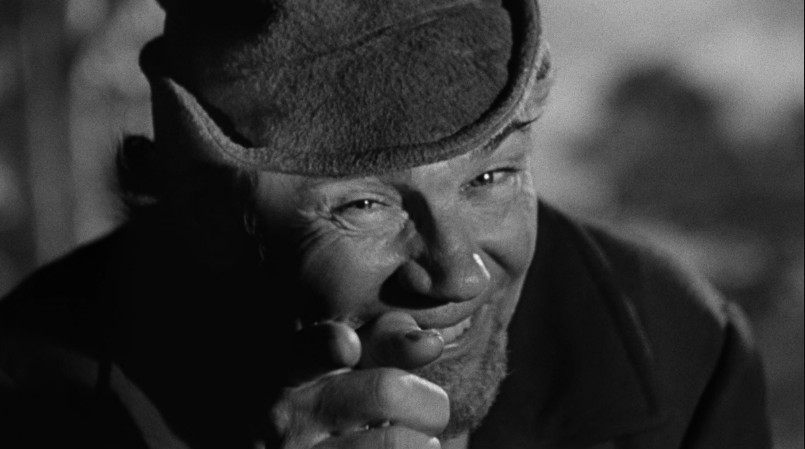
Walter Huston was nominated for an Oscar, which I believe makes him the only actor to be nominated for playing Satan. Though Al Pacino was nominated for an MTV Movie Award for The Devil’s Advocate, which is almost as prestigious. Huston’s shit-eating grin of a performance is reason enough to check out the film.
As a Twilight Zone fan, the film feels like a classic episode. Even the score was composed by long-time Zone collaborator Bernard Herrmann. This along with Joseph H. August’s moody lightning and a darkly satirical tone make me wonder if Rod Serling liked this film or at least the short story.
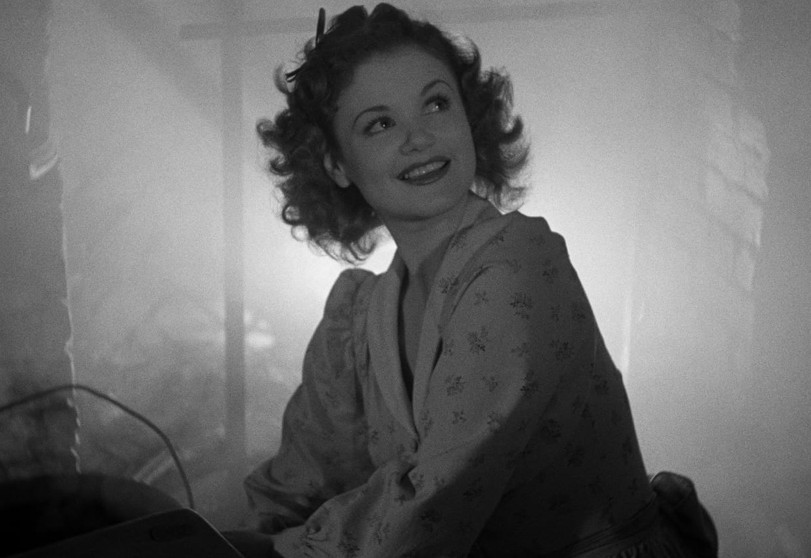
Obviously, the story had to be expanded for the screen so there are several additions. One, the film builds a relationship between Jabez and Daniel Webster before their trial against the devil and two, Simone Simon from Cat People plays a sinister maid named Belle, sent by Mr. Scratch to corrupt Jabez.
If The Devil and Daniel Webster, or All That Money Can Buy, or whatever it’s called was an hour long I’d love it. BUT that extra 47 minutes feels like filler. I’m not opposed to expanding short stories into feature length films but make sure the additions add something new to the stew instead of repeating beats the film has already played.
And I can’t deny the final trial doesn’t hit as hard as I hoped. Edward Arnold plays Daniel Webster with charm and his speech is elegant, but hardly that compelling considering the contract in place. It’s the same problem with the short story, but we don’t have to live with it as long.
“Does Jabez Stone turn into a donut at the end?” You might ask if you skimmed this whole thing, and I wouldn’t blame you. No, Jabez and friends sit down for a nice country breakfast. Though Mr. Scratch appears and steals some pie and then looks and points to the camera for his next victim i.e. you. Then it does that circular zoom fade that ends every Looney Tunes episode.
Is this movie as good as The Simpsons episode released fifty-two years later? I wish. Then again there’s a lot of things I’d wish for, pledge my soul for even… mayhap, a donut?
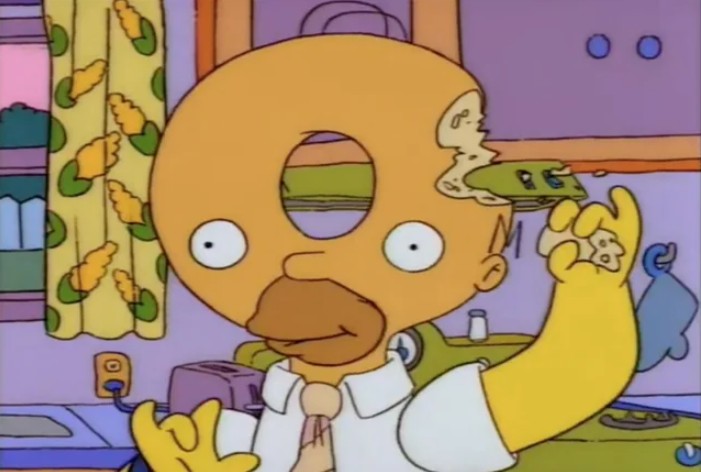
“But I’m so sweet and tasty!”