Criterion Month Day 3: The Life of Oharu

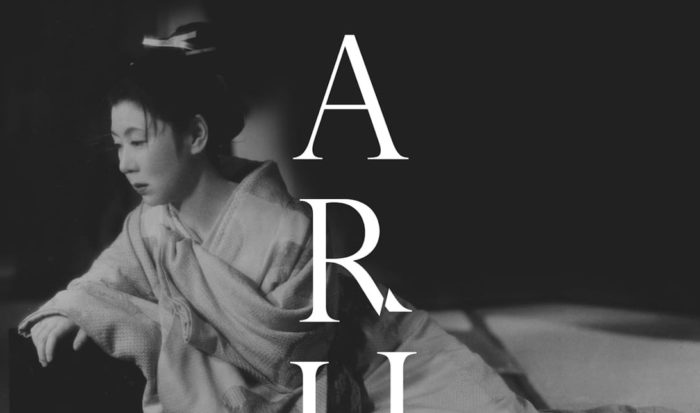
The Life of Oharu (1952)

When we recorded the recent podcast where we picked the various films we’d be reviewing for Criterion Month this year, I admitted that I weirdly could not remember if I had seen 1952’s The Life of Oharu. After seeing that this film wasn’t released by Criterion until 2013, I deduced that I probably hadn’t seen this movie, since it seems like I would have watched it either in college or slightly thereafter. Also, after actually watching the film, none of it really felt familiar, and considering how striking the movie’s images are and how singular its sense of anguish is, I probably would have remembered this movie, especially when it features Toshiro Mifune in a non-Kurosawa supporting role. I think this uncertainty derived from the fact that I’d seen two of Kenji Mizoguchi’s slightly later films from this era, 1953’s Ugetsu and 1954’s Sansho the Bailiff, and couldn’t remember much about them, despite thinking they were both borderline masterpieces. While I wouldn’t say The Life of Oharu is quite in that league, it still shows how much of a roll Mizoguchi was on in the years leading up to his death in 1958. Continue reading


Criterion Month Day 2: Unfaithfully Yours

Unfaithfully Yours (1948)

Preston Sturges is a freak, y’all. I didn’t know what this movie was about goin in. Something madcap? Sure, but a guy straight up having murder revenge fantasies at work? You okay, Preston? It’s a macabre premise, even for today. It made me realize that I’ve never actually considered what a “Screwball comedy” is supposed to be. Because it’s not just a comedy. It’s a spoof. Like how Sturges’ iconic Sullivan’s Travels is a spoof on the film industry, Unfaithfully Yours is a spoof on the mystery/romance/thriller. Often morbid, often hilarious.

Continue reading

Criterion Month Day 1: High Sierra

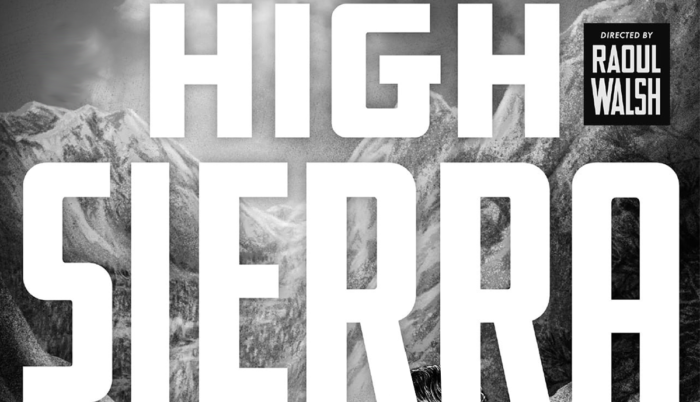
High Sierra (1941)

And… we’re back with another Criterion Month! For another 30 days, we’ll be taking a look at Criterion’s catalog of films, reviewing them as thoroughly as we can, though there’s a good chance some of these reviews will get published at the last minute or with some lack of exhaustive research. This could be especially true for myself, as I chose a lot of films this year spanning the ‘40s through the ‘70s, while my colleagues steered a little more clear of those years. While we won’t be looking at any of Hollywood’s silent or pre-Code years, we will get a look at a film that displays the Hollywood studios’ ability to grow over the course of those years into a well-oiled machine capable of churning out well-crafted entertainment. 

High Sierra is not often talked about as one of Humphrey Bogart’s iconic roles, but after seeing the film and reading a bit about it, it seems obvious that the film is one of the more important ones in the legendary star’s career. It’s one that also firmly placed Bogart at the forefront of the ‘40s’ most prominent crime subgenre, film noir, after spending years toiling in the backgrounds of the ‘30s’ most prominent crime subgenre, the gangster picture. Bogart had been mostly playing heavies in these types of films, with his most iconic of these roles being 1936’s The Petrified Forest, where he played the main villain, Duke Mantee. However, High Sierra is a kind of hybrid role, where he is still playing a criminal, but one that also has the more honorable, sympathetic qualities that made him both prime for playing detectives as well as romantic anti-heroes. Continue reading