Criterion Month Day 21: Bless Their Little Hearts

Bless Their Little Hearts (1983)

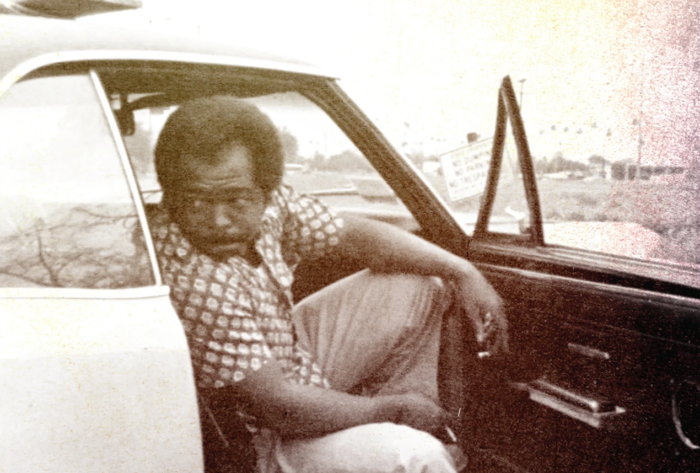
One of my favorite Letterboxd reviews is Filmspotting producer Sam Van Hallgren’s blurb on the 2017 horse drama Lean on Pete. It’s barely more than a sentence: “You’re either the kind of movie person who doesn’t mind waiting around a couple of hours for a kid to burst into tears – or you’re not. Simple as that.” Without providing any details or real spoilers, he told me everything I needed to know about the experience of watching that movie. So I am proud to follow in that tradition with Bless Their Little Hearts: Either you’re the kind of person who can wait an hour for a couple to have an explosive fight – or you’re not.

Continue reading

Criterion Month Day 20: Cane River

Cane River (1982)

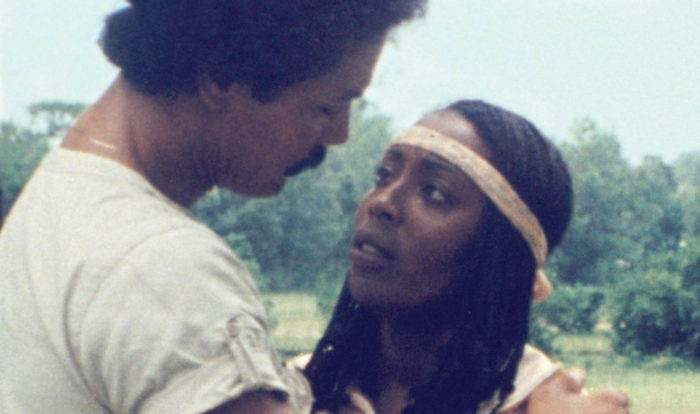
Like so many of the movies I’m writing about this month, Cane River is unique and ahead of its time and was so close to being a big deal, but ended up being lost for decades. Its easy to imagine an alternate reality where a movie about a Romeo and Juliet-esque forbidden romance deeply steeped in an interesting, under-explored part of American history from a Black director and cast and crew could have set the world on fire. Indeed, it sounds like Cane River was a hit in its few screenings in 1982, when taste makers like Richard Pryor and Roger Ebert raved about the film. But writer-director Horace B. Jenkins’ sudden death put a stop to Cane River‘s planned 1983 release, turning this potential landmark into myth until it was restored earlier this year.

Continue reading

Criterion Month Day 19: Losing Ground

Losing Ground (1982)

I’m happy to bring our weekend of women directors to a close with Kathleen Collins, a trailblazer whose second film, Losing Ground, is considered to be the first feature-length movie directed by an African American woman. Although that credential is somewhat debated, as some point to directors of the silent era while others say it was the commercial distribution of Daughters of the Dust (which I’ll get to in a few days) that made Julie Dash the one to finally brake that glass ceiling, nonetheless it is obvious and irrefutable that Collins had an immense talent and her career was cut tragically short.

Continue reading

Criterion Month Day 18: My Brilliant Career

My Brilliant Career (1979)

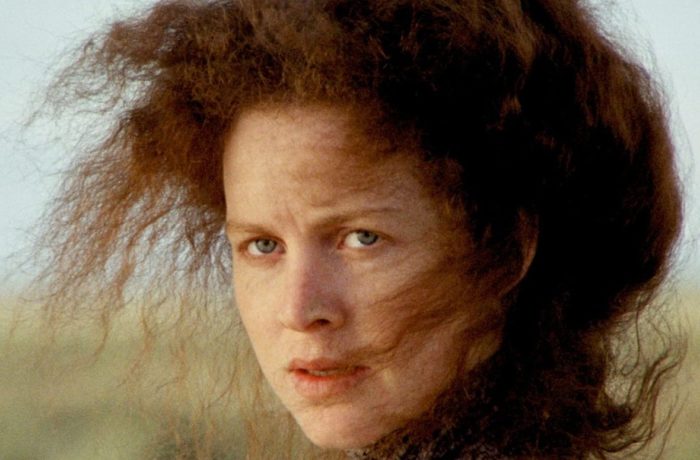
With some prominent actors, you do end up asking the question “where did they come from?” This was something I often wondered with Judy Davis, though I suppose the literal answer to this question was of course “Australia”. She’s the kind of character actress that has always seemed like a bit of an odd fit for American films, though also seemed to be respected for reasons that weren’t obvious to me. However, all of these questions became abundantly clear after watching My Brilliant Career, a coming-of-age tale that saw Davis giving an effortlessly brilliant, career-making performance. Ugh, that felt a little too close to Gene Shalit territory (sometimes Criterion Month feels longer than a month, my friends). Anyways, you could also say the film had a similar effect on the career of director Gillian Armstrong, another Aussie who has also had a long and interesting career that has often flirted with Hollywood.

Continue reading

Criterion Month Day 17: Mikey and Nicky

Mikey and Nicky (1976)

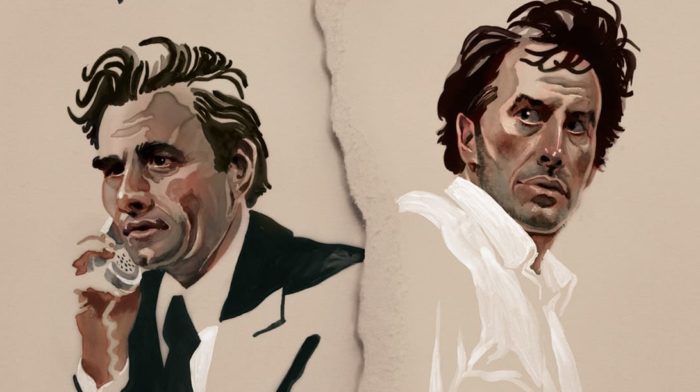
The 1970s tend to get romanticized among cinephiles (myself included) as this unprecedented time in mainstream American filmmaking, where this new generation of directors were freed from the traditional shackles of studio filmmaking to make something truly radical. While I think that is true in some sense, you do have to take into account that the film industry was still a business. So even though more unconventional dramas like Taxi Driver and Dog Day Afternoon were allowed a place in multiplexes alongside Airport and Earthquake, these maverick directors were still beholden their studios. I would say Elaine May was far from a typical New Hollywood director, but it seems that her tussles with the studio over the release of Mikey and Nicky seem pretty reflective of that era. Continue reading

Criterion Month Day 16: Picnic at Hanging Rock

Picnic at Hanging Rock (1975)

I read on article on that Wikipedia all the kids are talking about. It was called “List of films considered the best”. The article breaks down the most critically acclaimed films by genre and polls. There are Audience polls, Critical polls, and National polls. That last one assigns one or two films to every country as that nation’s defining work. Like did you know the most acclaimed film from the Ukraine is a film called “Shadows of Forgotten Ancestors”? You do now! The US and the UK have a bunch of films comin’ for that number one spot. Who will win? Citizen Kane? The Godfather? Gone with the Wind? Probably not the last one.

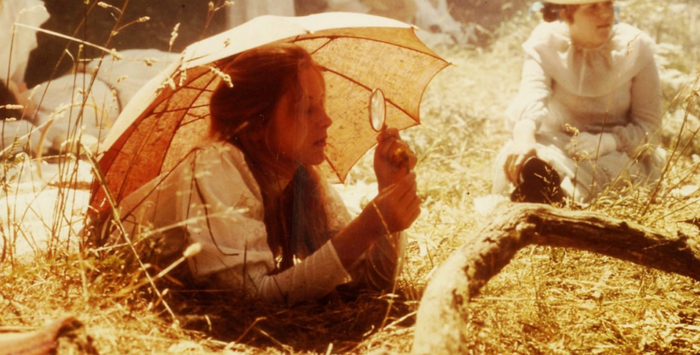
Australia has two entries. One is a 1997 comedy called “The Castle” that Australian people suddenly decided was great in 2008. But for thirty-three years the choice for Best Film from Down Under was almost unanimous, Picnic at Hanging Rock. What was it about this turn-of-the-century drama about missing school girls that captured the heart of a nation? Why did this film connect so well with the rest of the world? And where did those girls go?

Continue reading

Criterion Month Day 15: Lady Snowblood

Lady Snowblood (1973)

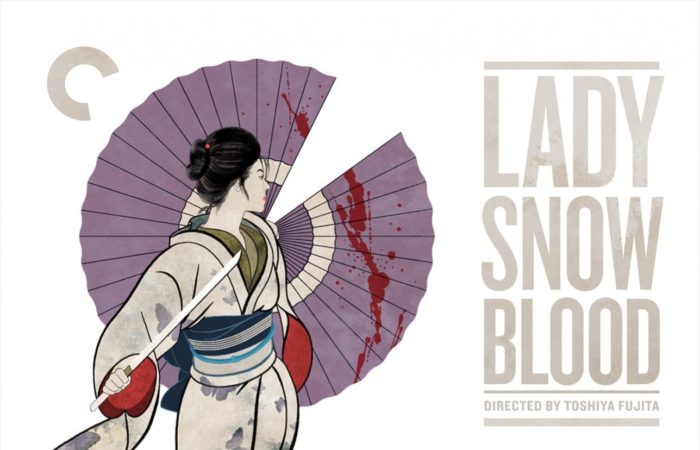
Perhaps one of the most famous things about Lady Snowblood is that it heavily influence Quentin Tarantino’s Kill Bill movies, to the point that Tarantino supposedly had his cast and crew watch Lady Snowblood while on the set of his film. Being that Lady Snowblood is also a bloody, stylish, pulpy action movie about revenge, it’s not hard to see the similarities. Unfortunately, I have not seen either Kill Bills since high school, so I can’t really break down the similarities in much detail. Though what I can say is that this later homage clearly was able to carry on the legacy of Lady Snowblood‘s ability to be both visually arresting and extremely entertaining. Continue reading