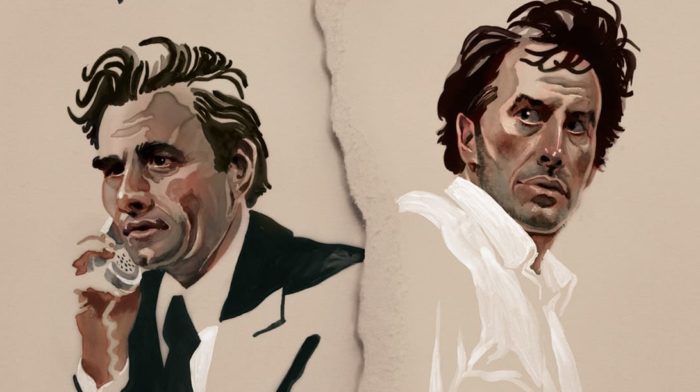
Criterion Month Day 17: Mikey and Nicky

Mikey and Nicky (1976)

The 1970s tend to get romanticized among cinephiles (myself included) as this unprecedented time in mainstream American filmmaking, where this new generation of directors were freed from the traditional shackles of studio filmmaking to make something truly radical. While I think that is true in some sense, you do have to take into account that the film industry was still a business. So even though more unconventional dramas like Taxi Driver and Dog Day Afternoon were allowed a place in multiplexes alongside Airport and Earthquake, these maverick directors were still beholden their studios. I would say Elaine May was far from a typical New Hollywood director, but it seems that her tussles with the studio over the release of Mikey and Nicky seem pretty reflective of that era. Continue reading
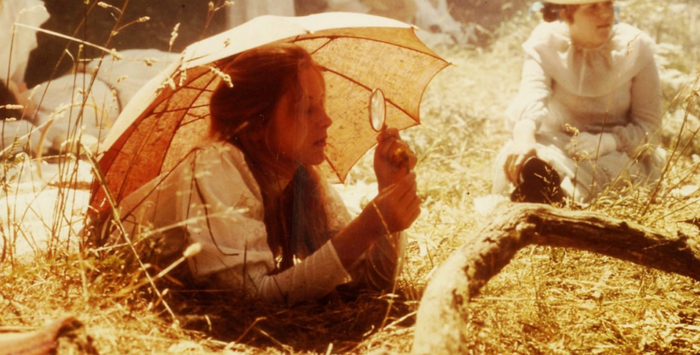

Criterion Month Day 16: Picnic at Hanging Rock

Picnic at Hanging Rock (1975)

I read on article on that Wikipedia all the kids are talking about. It was called “List of films considered the best”. The article breaks down the most critically acclaimed films by genre and polls. There are Audience polls, Critical polls, and National polls. That last one assigns one or two films to every country as that nation’s defining work. Like did you know the most acclaimed film from the Ukraine is a film called “Shadows of Forgotten Ancestors”? You do now! The US and the UK have a bunch of films comin’ for that number one spot. Who will win? Citizen Kane? The Godfather? Gone with the Wind? Probably not the last one.

Australia has two entries. One is a 1997 comedy called “The Castle” that Australian people suddenly decided was great in 2008. But for thirty-three years the choice for Best Film from Down Under was almost unanimous, Picnic at Hanging Rock. What was it about this turn-of-the-century drama about missing school girls that captured the heart of a nation? Why did this film connect so well with the rest of the world? And where did those girls go?

Continue reading

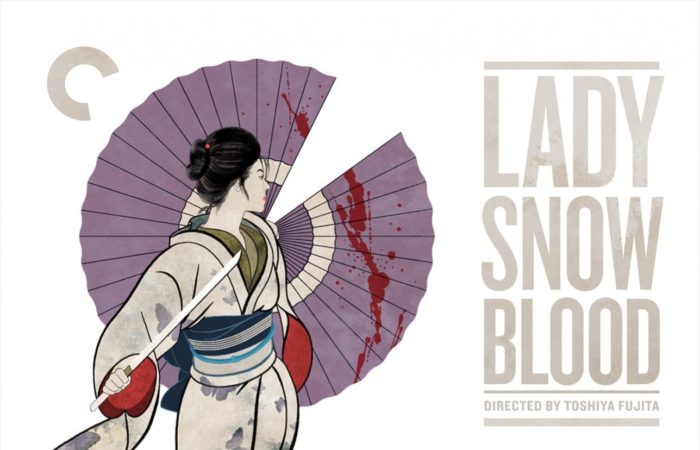
Criterion Month Day 15: Lady Snowblood

Lady Snowblood (1973)

Perhaps one of the most famous things about Lady Snowblood is that it heavily influence Quentin Tarantino’s Kill Bill movies, to the point that Tarantino supposedly had his cast and crew watch Lady Snowblood while on the set of his film. Being that Lady Snowblood is also a bloody, stylish, pulpy action movie about revenge, it’s not hard to see the similarities. Unfortunately, I have not seen either Kill Bills since high school, so I can’t really break down the similarities in much detail. Though what I can say is that this later homage clearly was able to carry on the legacy of Lady Snowblood‘s ability to be both visually arresting and extremely entertaining. Continue reading

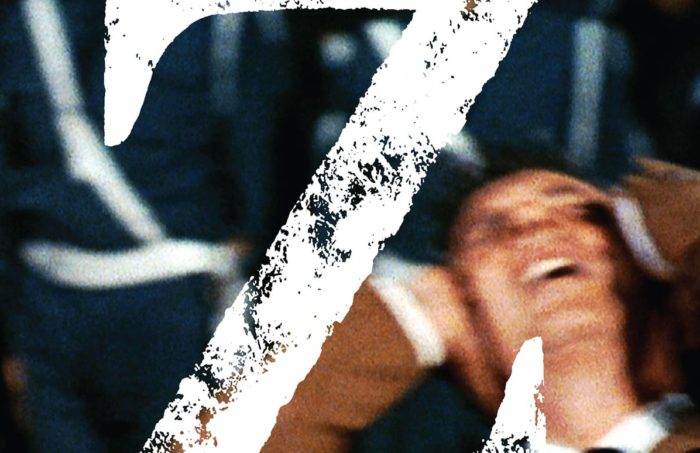
Criterion Month Day 14: Z

Z (1969)

With each new year that we dive back into Criterion movies, there always seem to be recurring subgenres of films that each of us end up reviewing (John already mentioned his affinity for prison movies). This has never been intentional, but with past picks like Rome, Open City and The Battle of Algiers, it seems that each year I end up picking a political thriller based on what were recent events when these films were made. Unwittingly, I managed to pick another one of these films with Z, a film that tells a fictionalized version of the assassination of Greek leftist political leader Grigoris Lambrakis and the corrupt right-wing government that was responsible for it. However, the thing that separates Z from these other films I mentioned was that the authoritarian forces depicted here were still in power when the film was made, since Greek director Costa-Gravas had left his home country as a teenager to make films in France, where this film was produced (though oddly enough it was filmed in Algiers). Continue reading

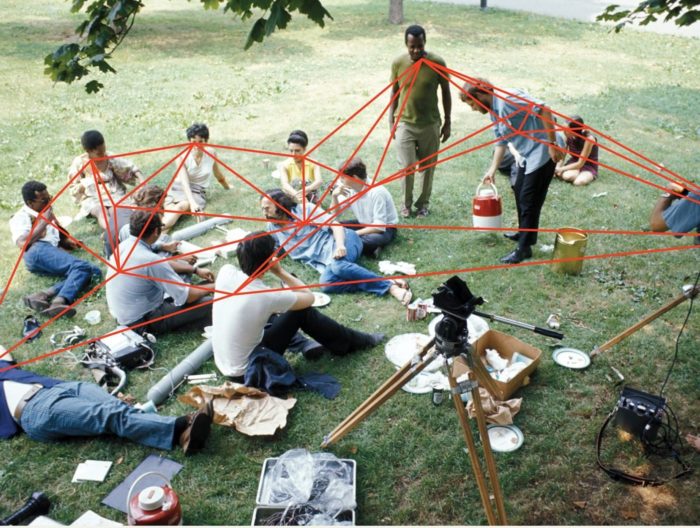
Criterion Month Day 13: Symbiopsychotaxiplasm: Take One

Symbiopsychotaxiplasm: Take One (1968)

A jazzy Miles Davis score rolls out over Central Park, where a husband chases after a wife. When they meet, they continue an argument they were already having: she accuses him of not loving her, of forcing her to have many abortions, of being gay. The exact location, as well and the man and woman, change as we see this same fight play out again and again. Different places, different people, different camera angles, same argument. This is “Over the Cliff,” the film within a film within Symbiopsychotaxiplasm: Take One, a truly bizarre and exciting cinematic experiment from William Greaves.

Continue reading

Criterion Month Day 12: Black Girl

Black Girl (1966)

“For me, France is the kitchen, the living room, the bathroom and my bedroom.” Those lamentations of Diouana (M’Bissine Thérèse Diop) resonate in the entirely new context of 2020, as we’ve all been sheltering in place for more than four months now. Personally, this COVID mess started shortly after I got my own apartment for the first time and started trying to branch out and become a better person. Instead, a global pandemic and a bridge failing have left me feeling as isolated as I’ve ever been, my worst fears of living alone not only realized, but exceeded far more than I had thought possible. I wasn’t expecting to find a movie that so completely captured this vibe, but the 1966 French/Senegalese film Black Girl might just be the film for this moment.

Continue reading

Criterion Month Day 11: Woman in the Dunes

Woman in the Dunes (1964)

Last month I wrote a list of my “Top 50 Favorite Horror Movies of the 2010s”. Something I noticed when reevaluating my favorite horror films of the last decade was the recent surge in “Transcendental Horror.” Movies like The Lighthouse and Midsommar that aren’t built on scares, rather existential dread. Movies that make you question your existence and if anything matters. The feeling of being trapped in life. I figured this was a recent phenomenon in cinema. Little did I know Hiroshi Teshigahara was making Transcendental Horror over fifty years ago.

Continue reading