
Criterion Month Day 7: Hiroshima mon amour

Hiroshima mon amour (1959)

When I think about the period following WWII, the first thing that comes to mind is fuckin’ boomers, man. America and the Soviet Union leapt straight into the Cold War, totally skipping over the decade of celebration that came after WWI (side note: the hundredth anniversary of the signing of the Treaty of Versailles was June 28, did you know that?). And so my focus has always been on Germany being divided, the Korean War, and the global ideological battle between capitalism and communism. But in some places, rebuilding after the war took precedent. Seeing an insight into that experience was my favorite aspect of Hiroshima mon amour.


Continue reading

Criterion Month Day 5: Aparajito

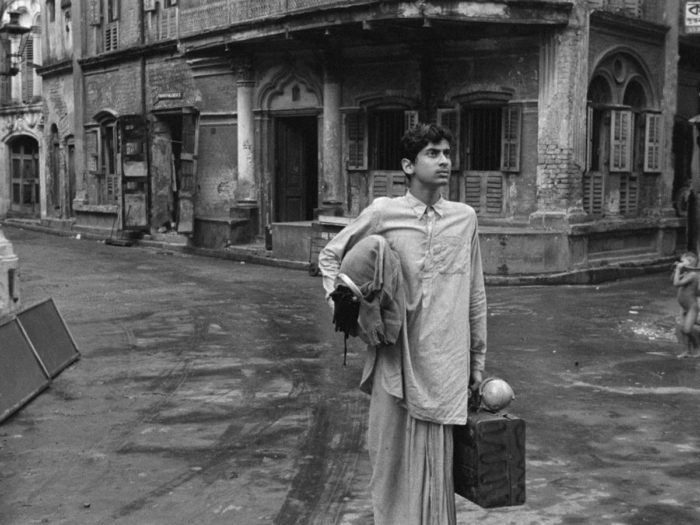
Aparajito (1956)

One thing that’s tricky about reviewing an older movie is balancing how it feels to see the film for the first time today versus appreciating its historical context. So when I have to write about a film like Aparajito, I have a hard time not making it sound like a typical coming-of-age story. But if I go too hard the other way, focusing entirely on the history of the movie doesn’t do it justice either. Cinematographer Subrata Mitra invented bounce lighting during the production of Aparajito, do you have to be the type of person who knows what cinematographers do and what bounce lighting is to enjoy it? Not at all, this is a much more universal experience than that.

Continue reading

Criterion Month Day 4: Rome, Open City

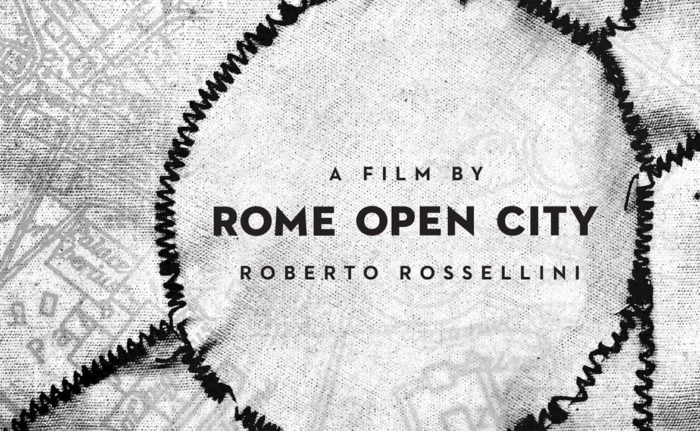
Rome, Open City (1945)

Happy 4th of July everybody! Since this holiday seems to get dumber and dumber every year, I’m happy to be talking about a film that doesn’t have much to do with America.

It’s weird that I reviewed 1966’s The Battle of Algiers last Criterion Month while stating that it felt unlike any other war film of its era. Because Rome, Open City, a film I’m sure it was influenced by, sure feels a lot like The Battle of Algiers. Both of them depict the foreign occupation of a major city, while a secretive group of rebellious renegades seek to fight back. Both also have a kind of docudrama feel, though The Battle of Algiers follows through with a grittier aesthetic, and thus makes the two films feel like bookends of the Italian neorealist movement. Continue reading

Criterion Month Day 3: Brief Encounter

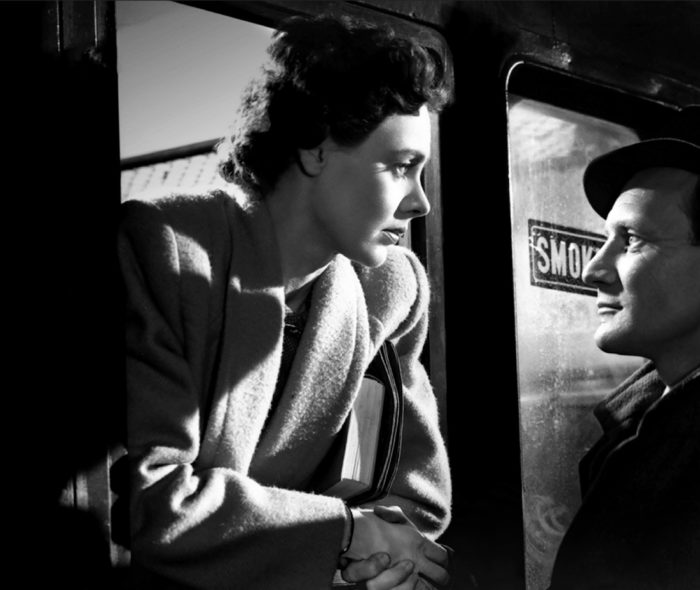
Brief Encounter (1945)

One night in a refreshment room at a busy railway station, a gossipy older woman called Dolly (Everley Gregg) sees her acquaintance Laura (Celia Johnson) and a man sharing a tea. She invites herself to their table. The man introduces himself as Alec (Trevor Howard), politely buys Dolly a tea, and soon leaves to catch his train. Laura seems a bit ill, and tries to sleep on the way home, disappointing the talkative Dolly. She offers to walk Laura home, but is turned down. She’ll never know it, but Dolly was there for the most devastating moment in Laura’s life.

Continue reading

Criterion Month Day 2: My Man Godfrey

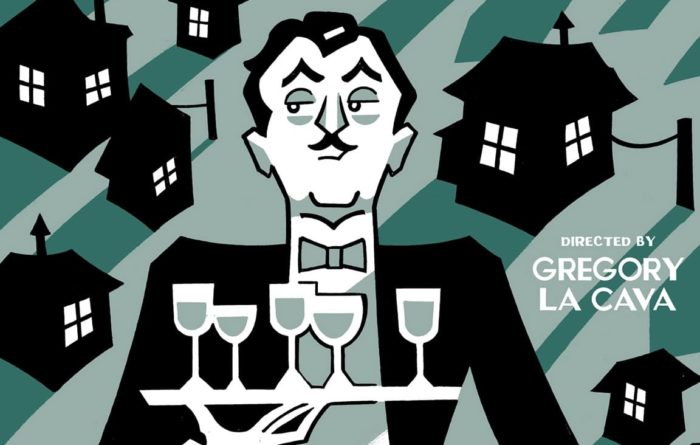
My Man Godfrey (1936)

Unlike a lot of the genres that were prominent during Hollywood’s golden era, I’m not sure Screwball Comedy is one that can be adapted to our modern times. Or at least, I’m not sure there’s been a film to come along that has convinced me otherwise. The Western, film noir, musicals, horror movies, and period epics have all resurfaced in one form or another as the decades of moviemaking have worn on. Though it’s hard to think of any recent films that effectively channel the irreverent wit and sophistication of the Screwball Comedy.

Even a movie like You’ve Got Mail, which was literally a remake of a screwball comedy, just feels like a cheesy Nora Ephron movie. Also, the Coen Brothers I’m sure have been influenced by films from this genre, but I have a hard time referring to Raising Arizona as a screwball comedy, as much as it tries. Now, I’m sure there’s some movie I’m forgetting, but honestly the only the thing that’s coming to mind that remotely conjures the tone of the romantic comedies of the ’30s and ’40s is Whit Stillman’s Metropolitan, but I suppose we’ll leave that for another Criterion Month entry. Continue reading

Criterion Month Day 1: Pandora’s Box

Pandora’s Box (1929)

Welcome to another Criterion Month! Over the next 31 days, we’ll be looking at the venerable home video/streaming company’s extensive film catalog, just a few months removed from the launch of the Criterion Channel. Looks like I’ll be responsible for reviewing a good chunk of the earlier films being talked about this month.

One of the fun things about doing Criterion Month in chronological order, is that you get to revisit the different eras and themes of the 20th century (and a little bit of the 21st). I’m sure in the past two Criterion Month’s we’ve talked about the impact of World War II and the effects it had not only on the film industry, but what types of “important” films were made after The Great War. We’ll be starting this month talking about a film made in the pre-WWII, Weimar Republic period of Germany, an era which gave birth to such silent classics as F.W. Murnau’s Nosferatu, Robert Wiene’s The Cabinet of Dr. Caligari, and Fritz Lang’s Metropolis. An era that was effectively ended by the rise of Hitler and the Nazis, and which forced its greatest artists to become scattered throughout the globe. Continue reading