C.A.T: Tea for the Tillerman

Cat Stevens – Tea for the Tillerman (1970)

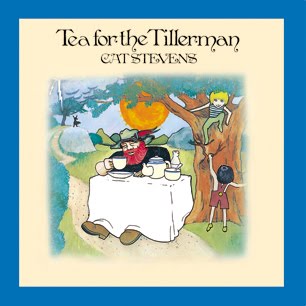
Don’t let that cheesy gnome cover fool you, this is a real gem from the golden age of the singer-songwriter. Released at the height of Cat Stevens’ popularity Tea for the Tillerman is thoughtful folk rock that provides spiritual answers to life’s everyday questions. While he’ll sing about love on a track like “Wild World” he’ll also take the time to subtly address social issues on tracks like “Where Do the Children Play?” The results provide a more sophisticated approach to rock, yet in an enjoyable and pleasant package.

“Wild World” was the track that drew myself to Tea for the Tillerman and is still my favorite Cat Steven’s recording. With his nasally yet pleasing English voice he can effortlessly switch between soft and aggressive tones to better suit the message. A great deal of these tracks I heard prior on the Harold and Maude soundtrack which was a definite push in introducing me to Cat Stevens. I suppose his music worked so well in that film as Steven’s songwriting very much so reflects both the harder moments in life and the moments we should cherish.

The title track of course found popularity as the theme to Extras, can you believe it’s only a minute and three seconds long? I suppose that’s all he needed and am sure many have become Stevens’ fans from just that one minute. Although Cat (now Yusuf Islam) would give up pop music to devote his time to Islam in the late seventies, I’m glad to hear that in the mid 2000s he returned to playing some of his old classics and to playing the same kind of music that made him so beloved in the first place.

Favorite Tracks: “Hard Headed Woman”, “Miles from Nowhere”, “Wild World”
C.A.T: The Stooges

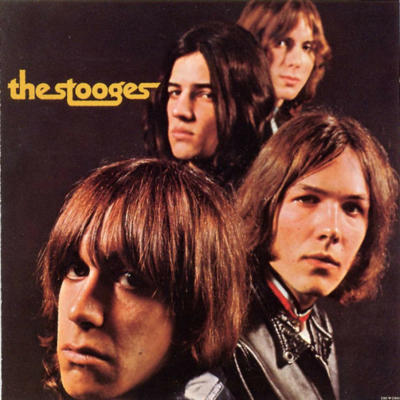
The Stooges – The Stooges (1969)

I was gonna write about Dylan’s Nashville Skyline (My second favorite Dylan album after Highway 61 Revisited) but after dragging my feet for a day or so I just wasn’t sure what to say about it, another time perhaps. Then when I noticed it was Iggy Pop’s birthday I was like “Well this is a no brainer.” Not to mention I was just rockin’ out to this a couple of days ago.

So it’s the debut record from the Stooges, the second Stooges album to be featured in our Classic Album Tuesday segment (Thursday in this case) and the third time now for Iggy. Now my liking for the muzak of Iggy Pop doesn’t go back that far (like a couple months) but I’ve always had a great deal of respect for the clown prince of rock. He’s charismatic with his bad boy sneer and relaxed “don’t-give-a-shit” delivery. They just don’t make frontmen like that anymore but you can’t count out the edgy musicianship from his fellow stooges either. Ron Asheton delivers track after track of sludgy riffage and ooften dabbles with some well deserved wah-wah. The rhythm section is classic rock 101 with some crunchy drums from Ron’s brother Scott and bass duties being filled by Dave Alexander, the first in a line of drug addicted bass players (That’s rock and roll).

But what really rock my socks off is the fact that thiscame out in 1969. Aside from maybe MC5 it’s hard to think of many other bands from the 60s that truly paved a way for punk (maybe even metal too). Sure there was a handful of pretty raw garage rock bands, but only so many of them were ya know, any good. I’ve delved fairly deep into the world of late 60s hard rock and these guys are still some of the best if not the best of their raw rock niche.

The Stooges just exude coolness without even trying. Sometimes it’s just the most simple things that have the most compelling effect. Just look at the lyrics to 1969 it’s like one sentence, yet every word carries with it so much angst and power. Now that’s balls-to-the-walls….

Favorite Tracks: “1969”, “I Wanna Be Your Dog”, “No Fun”

C.A.T.: Astral Weeks

Van Morrison – Astral Weeks (1968)

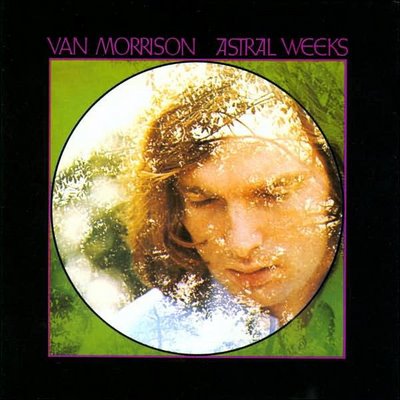
Well it’s taken about three years, but we’ve finally reached 100 CAT’s, and we’ve still yet to post one that actually seemed worth writing.  For this 100th CAT I’ve picked somewhat of a doozy, as Van Morrison’s Astral Weeks is one of those great albums that really defies any sort of categorization, so I’m sure I’ll fail to even crack the surface of what makes this a great album.

Coming off of the success of the single “Brown Eyed Girl”, Astral Weeks saw Morrison in the wake of a dispute with Bang Records, who had released a bunch of Morrison’s older songs as 1967’s Blowin’ Your Mind unbeknownst to Morrison.  Displeased with the result of that album, Morrison decided to release Astral Weeks on Warner Bros. Records.  Unsurprisingly the album was met with little fanfare or success, and it’s kind of easy to see why, as there really isn’t anything resembling hit single material on Astral Weeks.

But the beauty of Astral Weeks lies in the swirling musical textures of the album, while Morrison’s nostalgic lyrics are often evocative and abstract at the same time.  There really aren’t any verses or choruses on any of the songs, they kind of just slowly unfold over long stretches, leaving the listener with plenty of different sounds to swim around in.  Much of the album revolves around Morrison’s acoustic guitar, but this isn’t your typical ’60s singer-songwriter album, as Morrison is often accompanied by harpsichord, flute, and most prominently Richard Davis’s jazzy double bass.

Astral Weeks has often been described as a song cycle, and it definitely has that impressionistic quality that gives it a sound that isn’t really like anything else in the realm of folk, jazz, rock, or any other genre that the album skewers.  I’m certain that the Astral Weeks‘ odd sound and structure is what caused me to be a little perplexed by it’s reputation when I first heard it a few years ago, but it seems each time I return to it, I find myself being even more drawn into its strange beauty.

Favorite Tracks: “Astral Weeks”, “Sweet Thing”, “Madame George”

C.A.T: The Velvet Underground and Nico

The Velvet Underground – The Velvet Underground & Nico (1967)

How perfect that today’s (or whenever this gets posted) classic album tuesday honors the year 1967, as I’ve recently rediscovered my love for The Velvet Underground. I’m not sure how it happened exactly, but I’m glad it did as my last two weeks have been dominated by this infamously cool classic. As a pinnacle in both beat and psychedelic music, this is an album that takes on many forms, from the velvety softness of “Sunday Morning” to the raw grit of tracks like “Heroin”. It invokes both pain and optimism that’s tied together by the powerful, yet honest songwriting of Lou Reed as he pens songs about drugs, streetwalkers, and some of the notorious superstars of Andy Warhol’s infamous clique of models, actors, and drag queens.

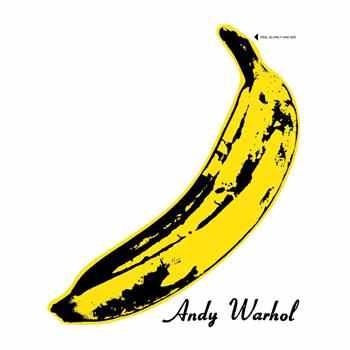
Pop art king Andy Warhol clearly made his mark on this debut serving as the group’s early mentor, manager, producer, and cover artist. The addition of German model/artist Nico was another one of Warhol’s must haves, though it’s been said this pissed the band off. So with all the experimental absurdity that surrounded this album, it’s amazing that it’s as good as it was or still is, it really is brilliant. So much so that it’s difficult to express with words, it merely inhabits it’s own category of art rock ecstasy. How something can be this unusual and yet this cohesive is a testament to the songs, musicianship, and the many bold chances that were taken.

Every member of VU adds a distinct layer to this indescribable sound. John Cale brings a great deal of instrumental diversity tackling; bass, piano, celesta, and that classic droning violin that can be heard on tracks like “The Black Angel’s Death Song”. Sterling Morrison also dons the role of bass player, but more importantly provides the much needed low twang of his guitar. Maureen Tucker provides the backbone with one of the most unusual drum setups I’ve ever heard of including just; tom toms, a snare, and and upturned bass drum, all played with mallets and very sparingly using cymbals. Nico, who clearly isn’t the best singer somehow manages to fit into the equation with her husky accented voice and Lou Reed pulls the strings (I’ve been saying that a lot lately) as any great rockband leader does.

I love all the songs for various reasons but I also love it’s “we do what we want and don’t give a shit attitude.” By which I mean the group’s approach to both playing and recording. For example take the legendary track “Heroin”, it’s just two goddamn chords! There’s no bass and the drums even accidentally drop out at the 5:17 mark. Sure they could of recorded it again, maybe polished it up, but it ruined the raw spontaneity of the song. “European Son” just descends into madness but somehow it just feels right. I mean there’s a little bit for everyone with more accessible tracks like “I’m Waiting for the Man” or “There She Goes Again” but then you have that great weird shit like “Venus in Furs” or other tracks previously mentioned.

It’s still an exciting listen every time I put it on and I wouldn’t be surprised if it continued to inspire future generations of aspiring rockers. I just wish I knew a better way to describe why I liked it, I guess it’s one of those cases where you just listen and you know.

Favorite Tracks: “Femme Fatale”, “Heroin”, “Sunday Morning”

C.A.T.: Parsley, Sage, Rosemary and Thyme

Simon & Garfunkel – Parsley, Sage, Rosemary and Thyme (1966)

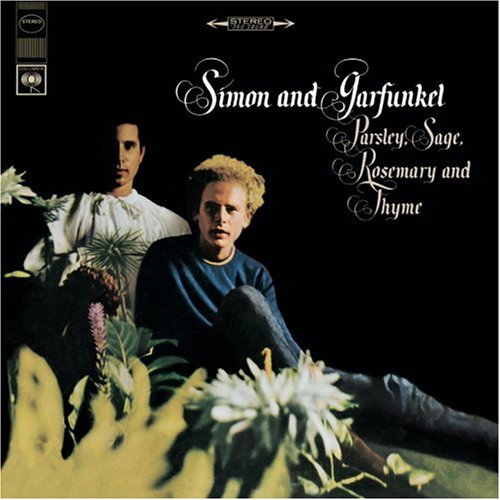
I think Sean wishes the CAT would just go away, so I’m posting this in direct defiance of the King of Da Morgue, plus I gotta have something to post about.  So anyways, Simon and Garfunkel were more or less the preeminent folk-pop duo of the sixties, and Parsley, Sage, Rosemary and Thyme surely shows them at the height of their powers while giving us a potent snapshot of mid-sixties America.

Coming after the slightly rushed Songs of Silence, this sophomore release saw the duo for the first time really exploring the depths of their sound while Paul Simon conjured up some of his finest tunes.  You’ve got some of Simon and Garfunkel’s darker and more etherial songs such (“Patterns”, “Scarborough Fair”), while you’ve got some of their most cheerfully upbeat songs as well (“59th Street Bridge Song”, “Cloudy”).  Of course all of these great tunes are tied together by Simon and Garfunkel’s brilliant harmonies, and Art Garfunkel even gets to shine in his solo performance on “For Emily, Whenever I May Find Her”.

It’s hard for me to say whether this or Bridge Over Troubled Water is my favorite S&G album, but I feel like leaning more towards this one partly because it’s got my personal favorite song of theirs (“Homeward Bound”).  And apart from the overtly Dylan-y “A Simple Desultory Phillipic”, there really isn’t anything resembling a weak track in the album’s short but sweet 29 minute running time.

Favorite Tracks: “Homeward Bound”, “The 59th Street Bridge Song (Feelin’ Groovy)”, “A Poem On The Underground Wall”

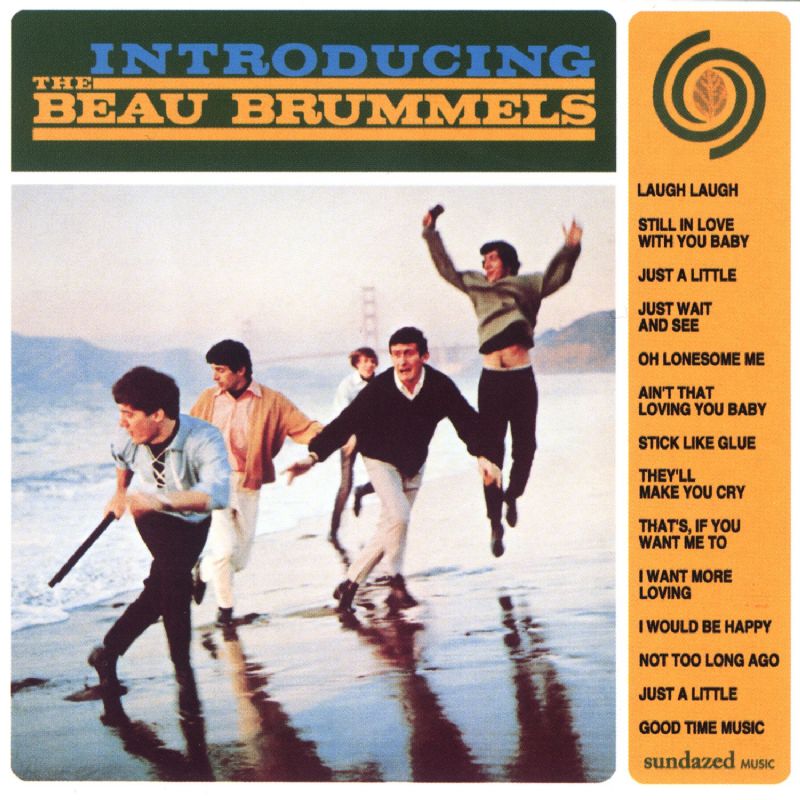
C.A.T: Introducing the Beau Brummels

The Beau Brummels – Introducing the Beau Brummels (1965)

Not to toot my own horn, but I have a fairly eclectic collection of 60s pop music. I love everything from the stars of the British Invasion to the no name joe schmoes banging away in the garage. Though It’s rare that I delve any deeper than a few songs from any given obscure group, (some of them were obscure for a reason) I heard good things about this album. It’s already surprising when you can actually find a Wikipedia entry for an album from a band you’ve never heard of, let alone a well reviewed album. So today we turn to the debut album from San Francisco five-some The Beau Brummels.

Credited for setting the aesthetic of the San Francisco Sound with their hit song “Laugh Laugh”, The Beau Brummels were unique in their combination of beat and folk music and as one of the few bands of the times that wrote more than most of their own material. The Beau Brummels also had great success in the hit single “Just a Little” a slick number with a great hook. Look up either of these hits and I’m sure you’ll recognize them, well if you ever listened to oldies radio that is.

Honestly there isn’t much separating The Beau Brummels from any other 60s beat group. Aside from the two or three folky-pop numbers the rest of the album is fairly predictable R&B blues style numbers. There’s plenty of groups that had just much talent as The Beau Brummels, yet the Brummels actually have a successful album to boast about. Hey, I’m talking about em aren’t I? That must alone attest to the fact that for whatever reason they’ve had a little more longevity than some of the other flash in the pan 60s garage bands, good for you Beau Brummels.

Favorite Tracks: Just a Little, Laugh Laugh, Not Too Long Ago

C.A.T.: At The Copa

Sam Cooke – At The Copa (1964)

I don’t think there’s any denying the fact that Sam Cooke is my favorite vocalist of all time.  He had a voice that seemed to be heaven-sent, and Cooke knew how to use it to reach the highest highs in a way that seemed effortless.  However his reputation as an artist lies in his singles, which makes him a bit hard to pay tribute to in CAT form.  Fortunately, he released one hell of a swingin’ live album with At The Copa, recorded the same year as his untimely death.

Recorded at New York City’s famous Copacabana, the performance shows Cooke and his band in true firing form, as there’s an undeniable energy in the room.  It’s a little odd to hear how much of a jazzy/swing sound there is to Cooke’s band, but for the most part it works with Cooke’s signature brand of gospel-infused soul.  And also surprisingly, you can really feel that the crowd’s into it, despite the fact that I’m sure Cooke was playing to a fairly posh group of people at the Copa.

Considering Sam Cooke was one of soul’s first great singer/songwriter’s, it’s a little strange to see that Cooke’s set is made almost entirely of old standards and covers of more contemporary artists’ songs.  But leave it to Sam Cooke to put his stamp all over these songs, and the way he attacks these songs with such energy really shows what a true talent the man was.  I mean this album might have the best versions of “If I Had A Hammer” and “This Little Light of Mine” I’ve ever heard, and those are two songs I’d usually have a hard time getting excited about hearing.

There were a lot of icons of ’60s music that died far too young, but Sam Cooke is probably the one that really gets to me the most.  He had just come off of a huge artist breakthrough with the single “A Change Is Gonna Come” just months before his death, and I can only imagine what he could’ve done next.

Favorite Tracks: “If I Had A Hammer (The Hammer Song)”, “Twistin’ The Night Away”, “Tennessee Waltz”