

Colin Wessman

I love those oldies and hoagies, give me some beefcakes and cheesesteaks

Criterion Month Day 15: Touki Bouki

Touki Bouki (1973)

It didn’t dawn on me until now that this will be one of the few Criterion Months where we didn’t cover a film that came out during the height of the French New Wave, although we will cover a French New Wave director later in their career. Fortunately, Touki Bouki is a movie that embodies the style and ideals of the French New Wave about as well as any movie I’ve seen, French or otherwise. It’s also a movie that carries on our tradition of covering Criterion movies about France’s occupation of African countries, be it the Algerian War, the French Foreign Legion’s presence in Djibouti, or another great Senegalese director depicting a woman’s emigration to France. Unlike a few of these movies, Touki Bouki actually takes place in Africa (and is proud of it), yet the influence of France is a constant, repeated presence. Continue reading
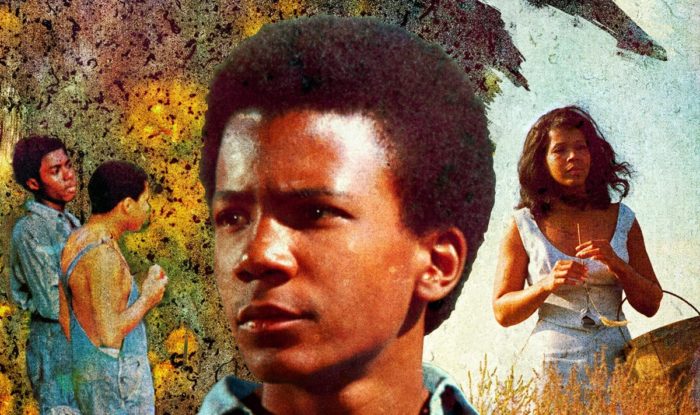

Criterion Month Day 12: The Learning Tree

The Learning Tree (1969)

It takes a special kind of person to be able to claim that they were the first Black director to helm a Hollywood studio film. It takes a polymath to able to make that claim, but also while having their directing career be just one of many creative pursuits that they received widespread acclaim for. That happens to be the case with Gordon Parks, whose The Learning Tree was a breakthrough in Hollywood studios becoming open to hiring Black directors. However, this came after Parks had already spent decades as a revered photojournalist, capturing the minutiae of mid-20th century African-American life, while he also published a few books before turning his semi-autobiographical novel The Learning Tree into his first film. And this was before he started scoring his own movies as well as painting in his spare time. Continue reading

Criterion Month Day 8: Purple Noon

Purple Noon (1960)

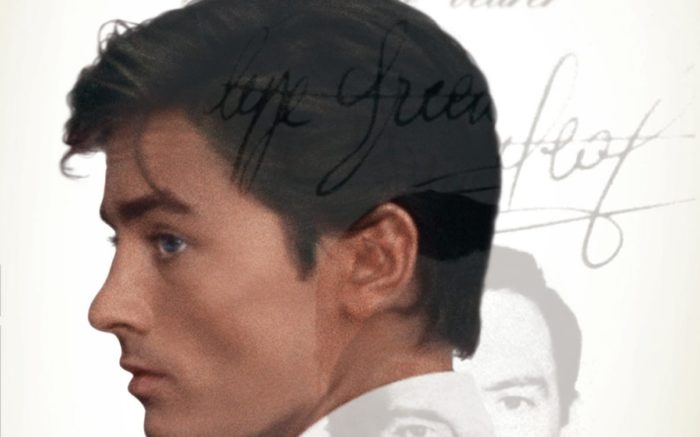
The theme of this year’s Criterion Month seems to be life getting in the way of me being able to get all my reviews published on time and to my own satisfaction, and Purple Noon is another example of that. I started reading Patricia Highsmith’s 1955 novel The Talented Mr. Ripley a few weeks ago, in the hopes of having finished it before watching Purple Noon, the first big adaptation of Highsmith’s classic tale of ex-patriotism, murder, identity, and Italian beachfront property. While I was only able to get a little over halfway through the book before the day to watch the film had arrived, it was still enough for it to be apparent that Purple Noon takes a fair amount of liberties with adapting its source material, not that there’s anything wrong with that. Continue reading

Criterion Month Day 6: The Music Room

The Music Room (1958)

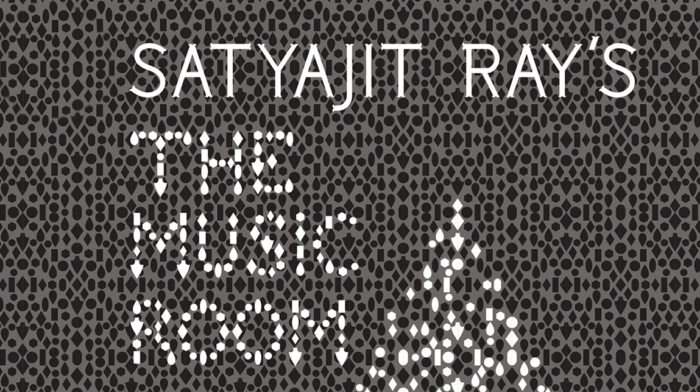
When exploring the work of a great director, it’s always hard to know what the best “next steps” are outside of their most highly regarded work. This is something I had to figure out when deciding to watch a Satyajit Ray film for this year’s Criterion Month, since Sean had effectively taken the Apu trilogy off the table. I have to imagine that those films are also probably the best introduction to Ray, which perhaps put me at a disadvantage when watching a film like The Music Room that was made around the same time as these more famous films. Still, The Music Room seems like it was a solid choice, since several esteemed filmmakers and critics like Mira Nair, Werner Herzog, Roger Ebert, and Pauline Kael are all big fans of the film. While I had a bit of a hard time sinking my teeth into this one, it still does make me curious to explore more of Ray’s work. Continue reading

Criterion Month Day 5: The Girl Can’t Help It

The Girl Can’t Help It (1956)

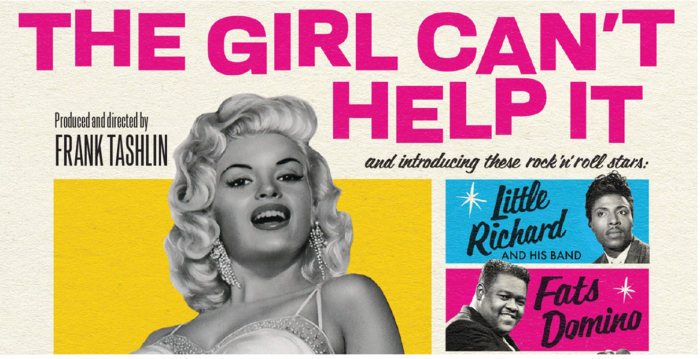
Sometimes, Criterion puts out a movie that you didn’t know you were waiting for them to put out, but once they do, you absolutely have to pick up a copy. The Girl Can’t Help It was one of those movies, since I’ve known about it for years due to it being a pivotal film for the members of The Beatles when they were first discovering rock ‘n’ roll. In The Beatles Anthology documentary, there are even clips of the film interspersed with Paul McCartney talking about how big of a deal The Girl Can’t Help It was for rock fans yearning to see Little Richard on the big screen, while the film also features the song that McCartney played for John Lennon during his audition for his first band The Quarrymen, “12 Flight Rock” by Eddie Cochran.

Apart from this Beatles connection, I’ve also always wanted to see The Girl Can’t Help It because I’d seen a couple of director Frank Tashlin’s other movies, and I was definitely taken with his cartoonish style, even though I’m a little wary of his connections to Jerry Lewis. Tashlin is not the type of director that seems like the most natural fit for the Criterion Collection, since it’s incredibly debatable whether there’s any argument to be made for his work being considered “art”. But there is an inherent craft to the kitschiness of his movies, and the way they skewer pop culture, as well as taste itself, doesn’t seem so far removed from Criterion-anointed masters of camp like Russ Meyer or John Waters, the latter of whom even did an interview about the film for its Blu-ray release. Continue reading

Criterion Month Day 4: Ordet

Ordet (1955)

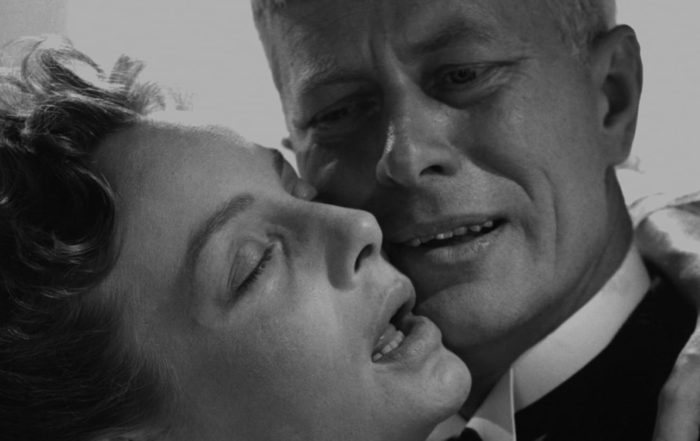
That’s right. Here I am, once again writing another Criterion review on the 4th of July, as is the (unintentional) tradition. Also, once again I’ll probably be a little too preoccupied with just getting through finishing this review in the hopes of being able to enjoy this leisurely Tuesday. Which is, of course, a little unfortunate, since of all the films I’m reviewing this Criterion Month, Ordet has the most critical esteem, as it has routinely placed pretty high on the Sight and Sound list, coming in at #48 in the latest iteration. Though honestly, even if I wasn’t slightly distracted while writing this review, I probably wouldn’t be able to do this film justice, as it’s deserving of its reputation, full of weighty themes and deliberate seriousness that demands to be reckoned with. Continue reading

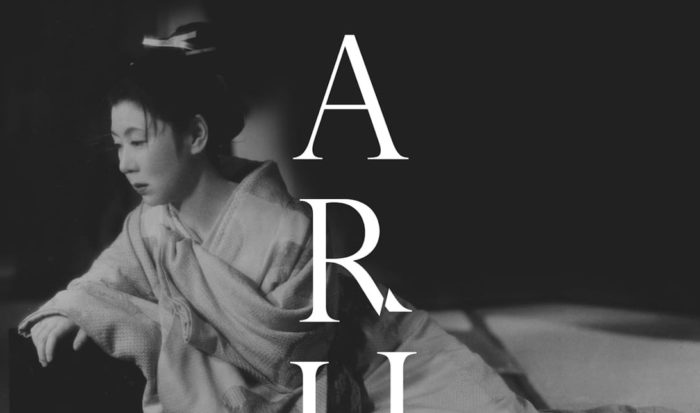
Criterion Month Day 3: The Life of Oharu

The Life of Oharu (1952)

When we recorded the recent podcast where we picked the various films we’d be reviewing for Criterion Month this year, I admitted that I weirdly could not remember if I had seen 1952’s The Life of Oharu. After seeing that this film wasn’t released by Criterion until 2013, I deduced that I probably hadn’t seen this movie, since it seems like I would have watched it either in college or slightly thereafter. Also, after actually watching the film, none of it really felt familiar, and considering how striking the movie’s images are and how singular its sense of anguish is, I probably would have remembered this movie, especially when it features Toshiro Mifune in a non-Kurosawa supporting role. I think this uncertainty derived from the fact that I’d seen two of Kenji Mizoguchi’s slightly later films from this era, 1953’s Ugetsu and 1954’s Sansho the Bailiff, and couldn’t remember much about them, despite thinking they were both borderline masterpieces. While I wouldn’t say The Life of Oharu is quite in that league, it still shows how much of a roll Mizoguchi was on in the years leading up to his death in 1958. Continue reading