



I was playing Resident Evil Village the other night, being chased around a spooky mansion by a giant, busty vampire lady, when I started thinking about the Resident Evil franchise as a whole. Since 1996, there have been ten core games, twenty-something spin-offs, seven live-action films (with a new one due next year from Weapons director Zach Cregger), and a ravenous fanbase ready to devour it all. And to think, it all began life as a remake of Tokuro Fujiwara’s 1989 horror RPG Sweet Home.
You may not have heard of Sweet Home if you’re not a freak like me, but it’s often considered the first true survival-horror game. Much like Resident Evil, Sweet Home is set in a large, decaying mansion; it gives your characters limited inventory space; and it tells much of its backstory through journals and murals you discover along the way. It also features permanent character deaths, meaning if a character dies, they die in real LIFE!!! (in the game).
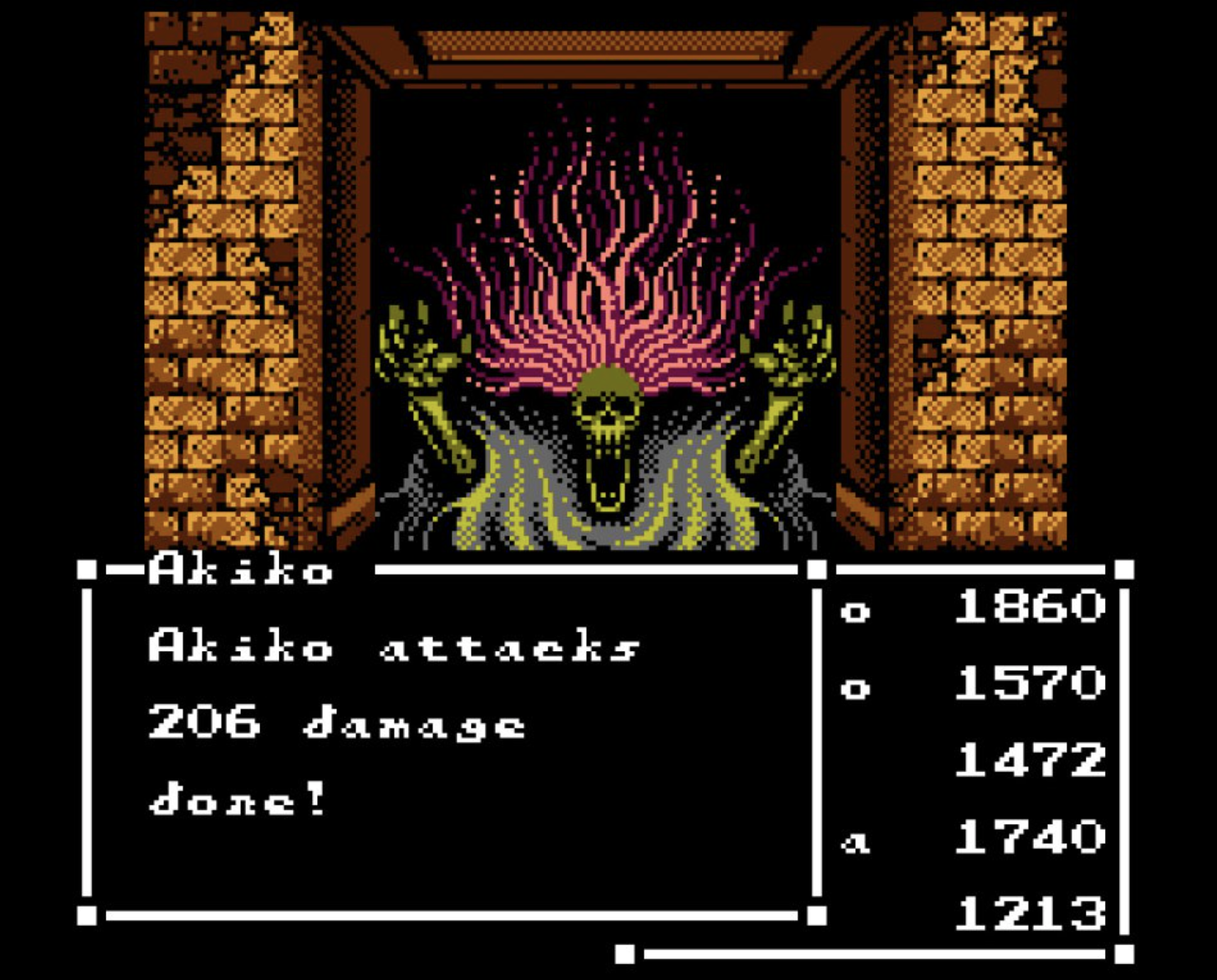
“Wait a minute, I thought Sweet Home was a movie? What is this review? Where am I?” you might be asking. Fair question. I wanted to start with the game as a way in but seeing as both were developed concurrently, it’s hard to talk about one without discussing the other.
But the movie did come first, and it was directed by none other than Kiyoshi Kurosawa, the legendary Japanese filmmaker behind Cure, Pulse, and, most recently, the acclaimed thrillers Chime and Cloud, both released last year. So, yes, you could say Kiyoshi Kurosawa invented Resident Evil. Take that, Martin Scorsese.
Sweet Home came early in Kurosawa’s career. According to Wikipedia, he’d only directed two features before it: Kandagawa Pervert Wars (1983), a so-called “pink film,” (which are erotic films) and an obscure 1985 film with no English-language page called Bumpkin Soup. Sweet Home was a studio assignment from producer Juzo Itami (Tampopo), but Kurosawa saw it as an opportunity, a chance to gain experience with a bigger production, special effects, and the challenge of staging horror for a mainstream audience.
What story did he conjure?
A small TV documentary crew gains permission to enter the long-abandoned Mamiya Mansion to film and restore the frescoes of a reclusive artist, Ichirō Mamiya. The group includes producer Kazuo (Shingo Yamushiro), his teenage daughter Emi (Nokko), art restorer Asuka (Fukumi Kuroda), Ryo, a cameraman (Ichiro Furutachi), and an ambitious reporter, Akiko (Nobuko Miyamoto). Once inside, they discover the mansion is haunted by Lady Mamiya (Machiko Watanabe), the artist’s wife, who was driven insane with grief decades earlier after their child died in the mansion’s incinerator.
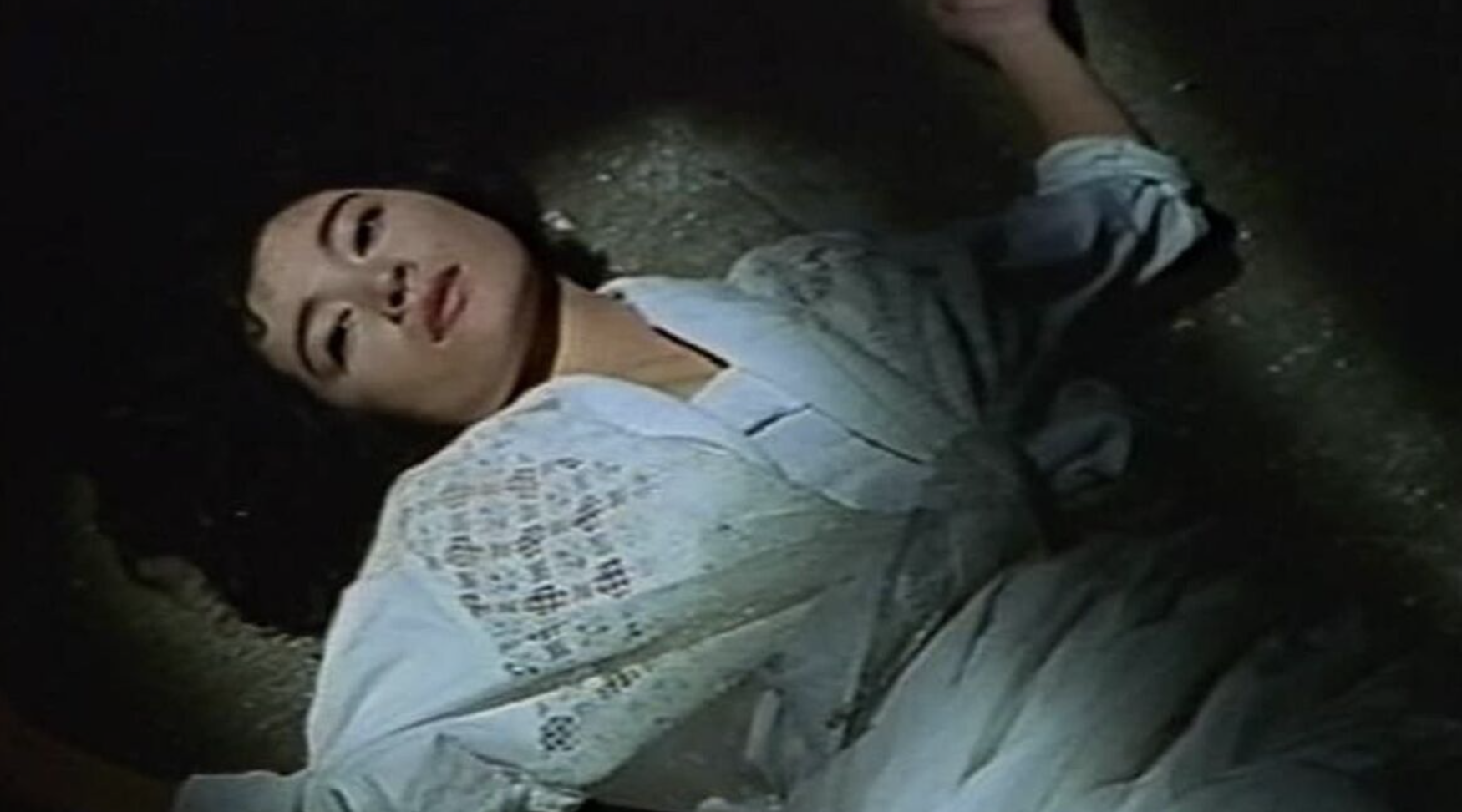
As night falls, the mansion’s decaying halls become a death trap of ghosts and/or goblins, illusions, and melting flesh. What begins as an earnest expose spirals into a desperate fight for survival as the crew uncovers the heartbreaking secret behind Lady Mamiya’s vengeful curse. She feels guilty and haunts the place. That’s the secret.
The tone is surprising considering this is a Kiyoshi Kurosawa film. Known for his somber tone, Sweet Home is vibrant and funny and over-the-top. The film bears a much stronger resemblance to something like The Evil Dead than Cure. Part of this could be attributed to producer Juzo Itami, who against Kurosawa’s wishes re-shot and edited portions of the film. To the point where I don’t think Kurosawa’s original version is even available. Which is bullshit because although I enjoyed this movie, it feels like it’s missing any sense of dread or horror.
There are a few memorable kills (Yup, this is a ghost that kills) like a guy that gets chopped in half by a shadow? Or something? But there’s also a lot of downtime where characters panic like they’re in a Three Stooges short. The film is 101 minutes long but I would have loved to see this at a tight 90. It sounds like Kurosawa’s version was shorter. We’ll never know.
One bit of trivia that blew my brains out of the back oy my head is the makeup effects in this film were done by Dick “Fucking” Smith. If you don’t instantly recognize the name here are a few of his credits; The Exorcist, The Godfather Parts I and II, Amadeus, Scanners, The Deer Hunter and Death Becomes Her to name a few. I had no idea the Oscar-winning legend that is Dick Smith worked on a Japanese horror movie and holy shit, is his work fantastic on this film.
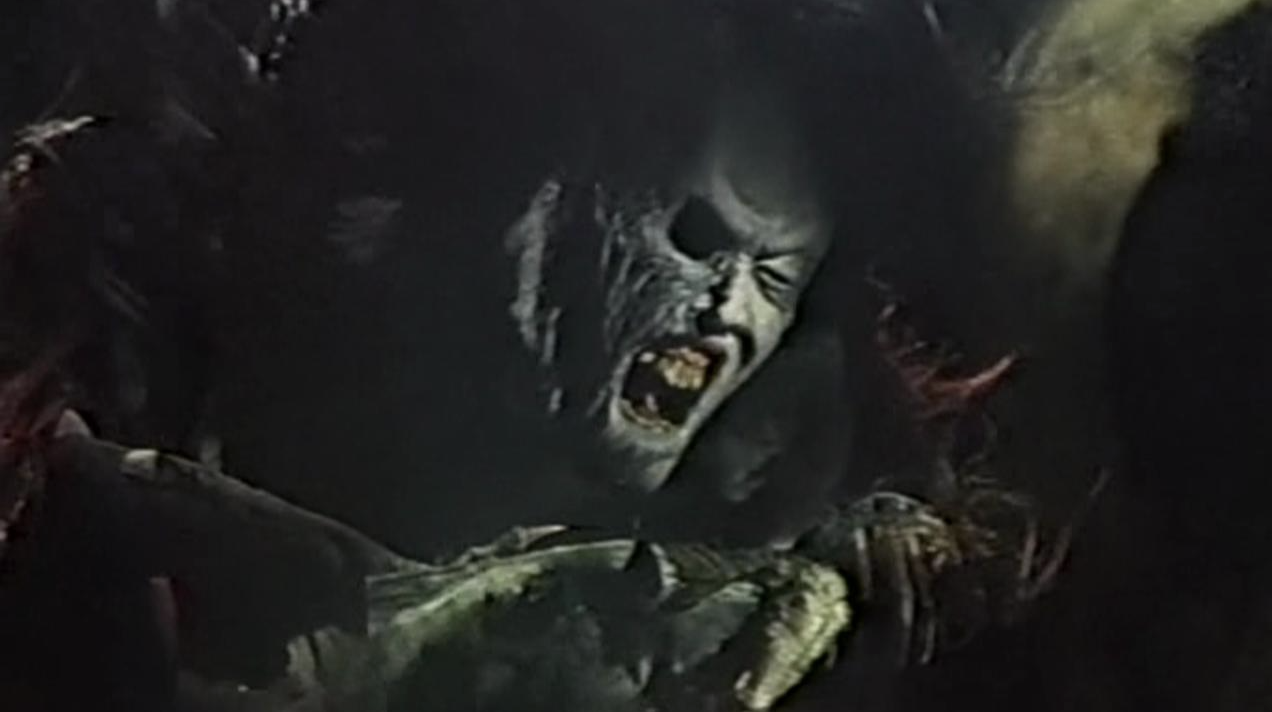
Apart from stellar gore effects, Smith’s most memorable creation is when Lady Mamiya reaches her final form. Yes, like a video game, the villain goes through an evolution like a multistage boss fight and god damn, is that final form memorable. It’s hard to find a high resolution image (I had to watch the film on YouTube) but its towering and twisted form has to be one of Dick Smith’s most ambitious monsters. Even more than old Salieri 😉
The imagery in Sweet Home is striking, the sets and colors are vibrant and simultaneously dingy. The story and characters could use refinement, which I bring up because I feel there’s an even better film in here, I bet Kurosawa believes that too. Still, Sweet Home is a lot of fun and a fascinating object as a proto-Resident Evil. Man, if I was playing a modern version of Sweet Home and I was being chased by Lady Mamiya? I would be shittin’ my pants all through the night.