Sean Lemme

I started blogging as a way to lazily pass my high school senior project and somehow I've kept doing it for more than half my life

Criterion Month Day 16: One Sings, the Other Doesn’t

One Sings, the Other Doesn’t (1977)

One Sings, the Other Doesn’t …and you’ll never guess which one’s which! Just kidding, this film’s many, many musical performances make it extremely obvious. Agnès Varda’s eighth feature is about the friendship between two women who could otherwise be given a number of labels. That Varda tells us (quite literally, she’s the film’s narrator) that the only difference between them that matters is singing is demonstrative of the movie’s somewhat subtle approach to being a women’s liberation story. So, living in not-so-subtle times, does One Sings, the Other Doesn’t still work?

Continue reading

Criterion Month Day 15: F for Fake

F for Fake (1975)

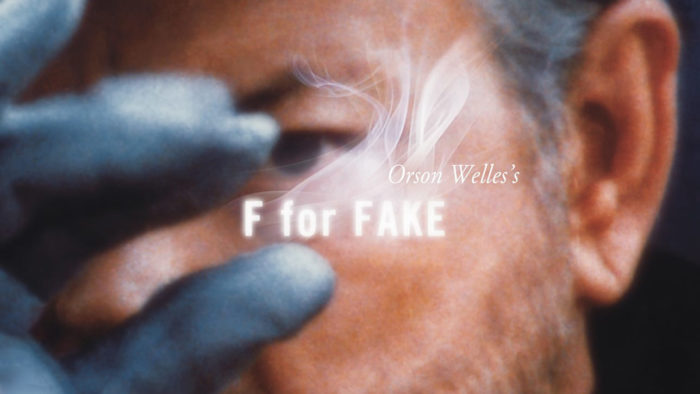
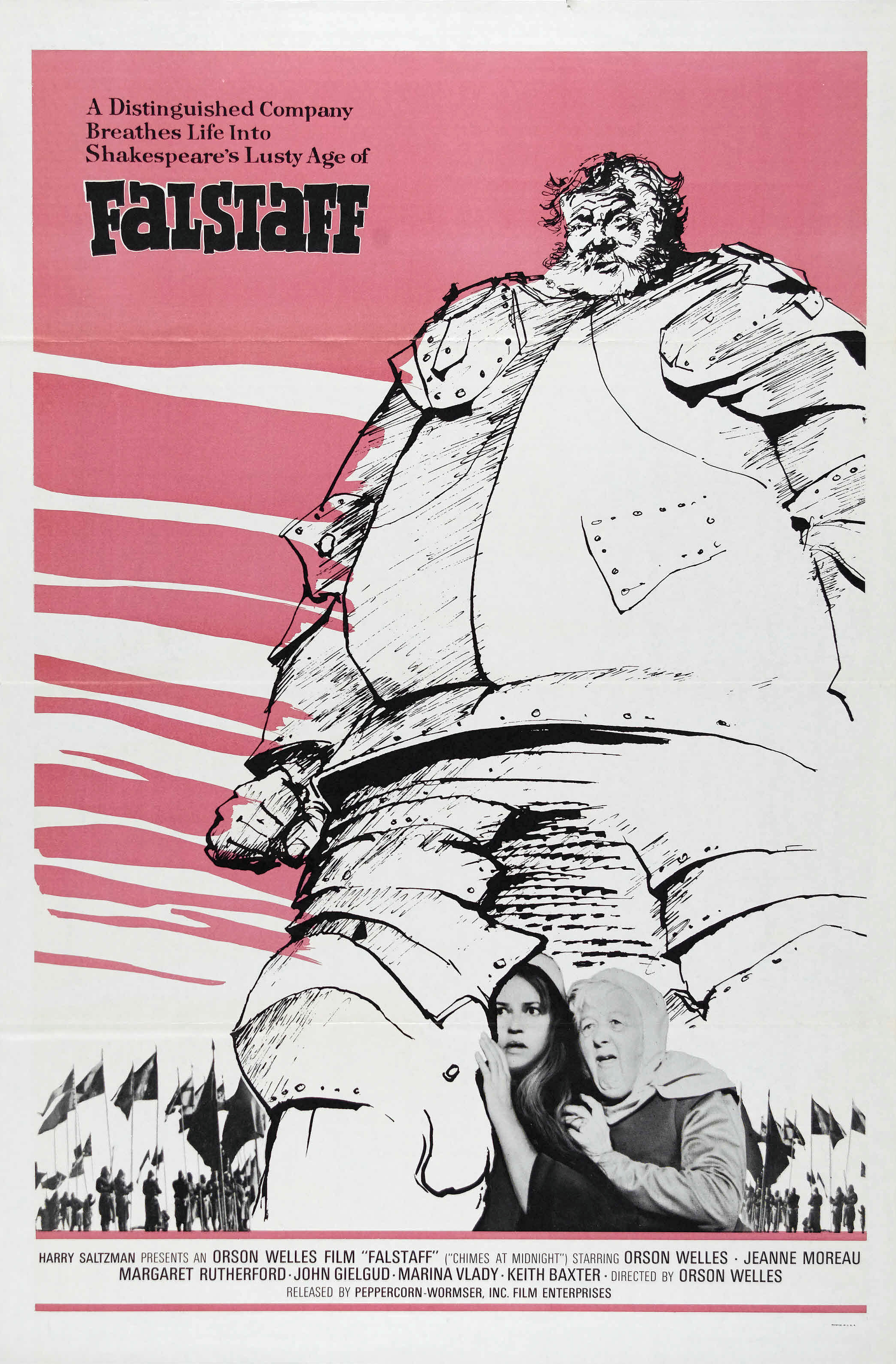
Now that I’ve written about Orson Welles’ most celebrated film, it seemed appropriate that I should turn my attention to what is actually his most influential work. You might be inclined to scoff at that claim, listing other movies like The Magnificent Ambersons (how good could that even be when Welles doesn’t even star in it?) or Touch of Evil (how much of that movie to you really remember aside from the oner at the beginning?) or The Trial (which I’ll inevitably pick the first Criterion Month it’s eligible) or even Chimes at Midnight (which I forgot to mention last time has an all-time great poster because the movie stars Welles in a fat suit). The movie I’m referring to is F for Fake, a 1973 docudrama about forgery, hoaxes, and good ol’ fashioned lies. And the reason it means so much to me is that it popularized the format that would eventually become known as the “film essay.”

Continue reading

Criterion Month Day 7: The Tale of Zatoichi

The Tale of Zatoichi (1962)

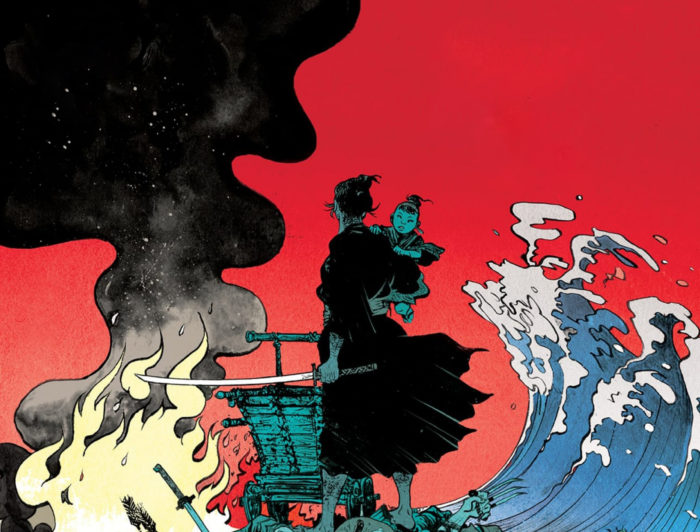
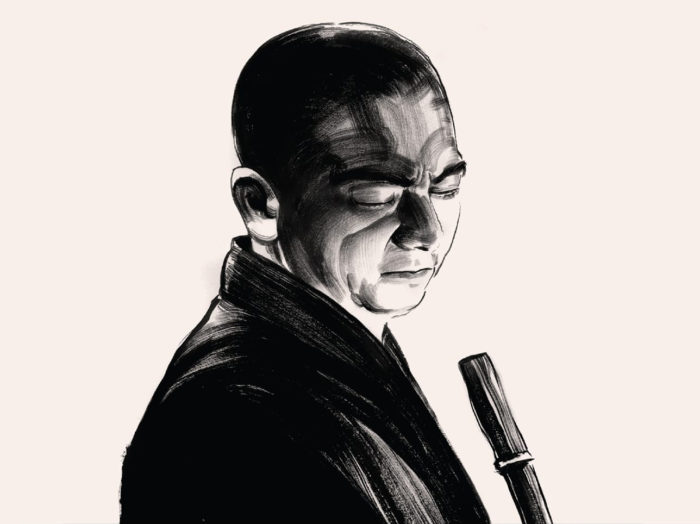
First introduced as a minor character in a 1948 novel by Kan Shimozawa, Zatoichi, The Blind Swordsman, has grown into one of Japan’s most enduring characters. Beginning with The Tale of Zatoichi, Shintaro Katsu would go on to play this role in 25(!) movies between 1962 and 1973, then continue in the TV series (which lasted 100 episodes across four seasons), and finally return to the big screen for one last movie in 1989, which he also directed. It’s hard to think of a Western comparison to that kind of commitment to a role. Katsu made more Zatoichi movies than there are James Bond movies. Like in total. Can anyone else’s time playing one role even compare? I guess some legacy sequels are gonna have bigger time spans, like Dan Aykroyd has also technically been playing Ray Stantz in Ghostbusters movies for 37 years and Nick Castle has been Michael Meyers for 43 years compared to Katsu’s 27 as Zatoichi. Kelsey Grammer as Frasier? Maybe Patrick Stewart as Captain Picard? That’s my best guess, he could have more screentime (178 episodes of TNG, four movies, plus 20 episodes of Picard) over a significantly greater span of time, 36 years (1987-2023). But I don’t think anybody ever played such a concentrated dose of one character. Which begs the question: What makes Zatoichi so special?

Continue reading

Criterion Month Day 2: Citizen Kane

Citizen Kane (1941)

Likely due to outside factors, Citizen Kane, Orson Welles’ first film, struggled at the box office when it was released in May of 1941. Couple those small audiences with a tepid critical response and even an Academy Award couldn’t stop the movie from fizzling away by the year’s end. More than a decade later, RKO sold its library to television and Citizen Kane started lighting up the small screen, encouraging enthusiastic reassessment. This time its success was undeniable: by 1958, Citizen Kane appeared on its first “greatest films ever made” list (losing the top spot to Battleship Potemkin) and has remained in such high esteem ever since. Notably, BFI’s once-a-decade Sight & Sound Poll of the Greatest Films of All Time, arguably the most prestigious ranking of this sort since it is compiled exclusively by critics and directors, had Citizen Kane in the number one spot five decades in a row, from 1962-2002.

However, in 2012 Citizen Kane lost the top spot on both lists, being surpassed by Vertigo with the critics and both Tokyo Story and 2001: A Space Odyssey with directors. Rumor has it that Citizen Kane won’t regain its crown and might tumble even further when this year’s poll is released. Today, IMDb’s top 250 movies ranks Citizen Kane at only #94 and on Letterboxd’s list of films by user rating it appears at a dismal #915 with an average user rating of just 4.18 out of five. Has Citizen Kane‘s star fallen? Is it time to radically reevaluate it once again and expose those film snobs once and for all?

lol no

Continue reading

Oscars Fortnight: West Side Story (2021)

West Side Story (2021)

94th Academy Awards (2022)
Nominations:
7
Wins: We’ll see…

It’s strange to remember that when this week began, just a few days ago, I had never seen West Side Story. I knew some of the songs, like “I Feel Pretty,” “Maria,” and “America,” but I’m not sure if I knew they were all in the same musical. I knew that it was inspired by Romeo and Juliet (“inspired” is an understatement) with the Montagues and Capulets replaced by dancey finger-snappin’ hoodlums called the Jets and the Sharks. And I knew from a 2007 episode of Curb Your Enthusiasm that there was a character named Officer Krupke that inspires the phrase “Krup you!” I really think that’s it. That’s all I knew. Until my life changed forever on Monday when I finally watched the 1961 film adaptation and have had this extremely theatrical version of Manhattan playing on repeat in my head ever since.

Continue reading

Oscars Fortnight Day 3: The Caine Mutiny

The Caine Mutiny

27th Academy Awards (1955)
Nominations:
7
Wins: 0

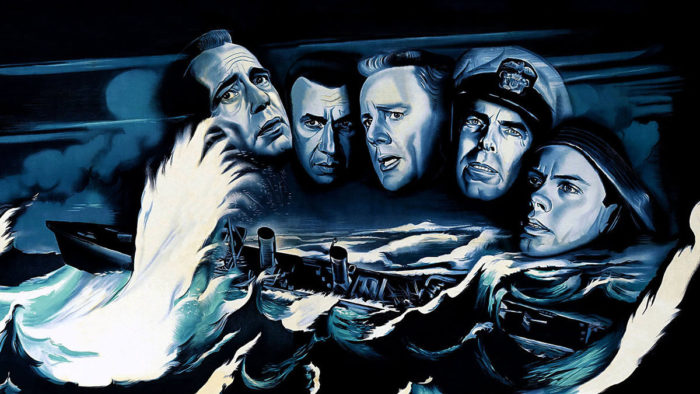
I’ve been revisiting all the Batman movies lately and throwing The Caine Mutiny in the mix really makes me want to watch something that passes the Bechdel Test again soon. I’m pretty sure my next Oscars Fortnight pick does. But The Caine Mutiny, man, this is a dudely story. It’s a movie about the officers on a Navy minesweeper during WWII deciding to mutiny against their unhinged captain and the subsequent court-martial that hangs their futures in the balance. Not a lot of room for the ladies in that space, but with a runtime just a bit over two hours, there’s plenty of time for some truly powerhouse performances from some of the brightest stars of the fifties.

Continue reading