



Every time a new Oz Perkins movie comes out, I get excited, and every time, I leave feeling like I watched a missed opportunity. I loved the look and style and dark humor of Perkins’ King adaptation The Monkey, yet it left me cold. The same goes for Perkins’ sleeper hit Longlegs, a dark, beautiful film with whispers of Fincher’s Se7en, dripping with chilly PNW atmosphere but ending in a ho-hum conclusion. Perkins gets so close to making classics, yet perfection remains elusive. I Am the Pretty Thing That Lives in the House is no exception.
I’ve seen all five of Perkins’ films, and I admire aspects of each: the humor and gore of The Monkey, the dread of Longlegs, the gothic vibes of Hansel and Gretel. Perkins is a gifted visual artist. Where his films falter is the writing. He’s minimalist, slow, and methodical, which I usually enjoy, but his endings rarely satisfy.
Perkins teases secrets and unanswered questions, but the payoff feels absent. I’d love to see him experiment with Shyamalan-like twists or expand the worlds he creates. The Monkey comes close; I Am the Pretty Thing That Lives in the House does not.
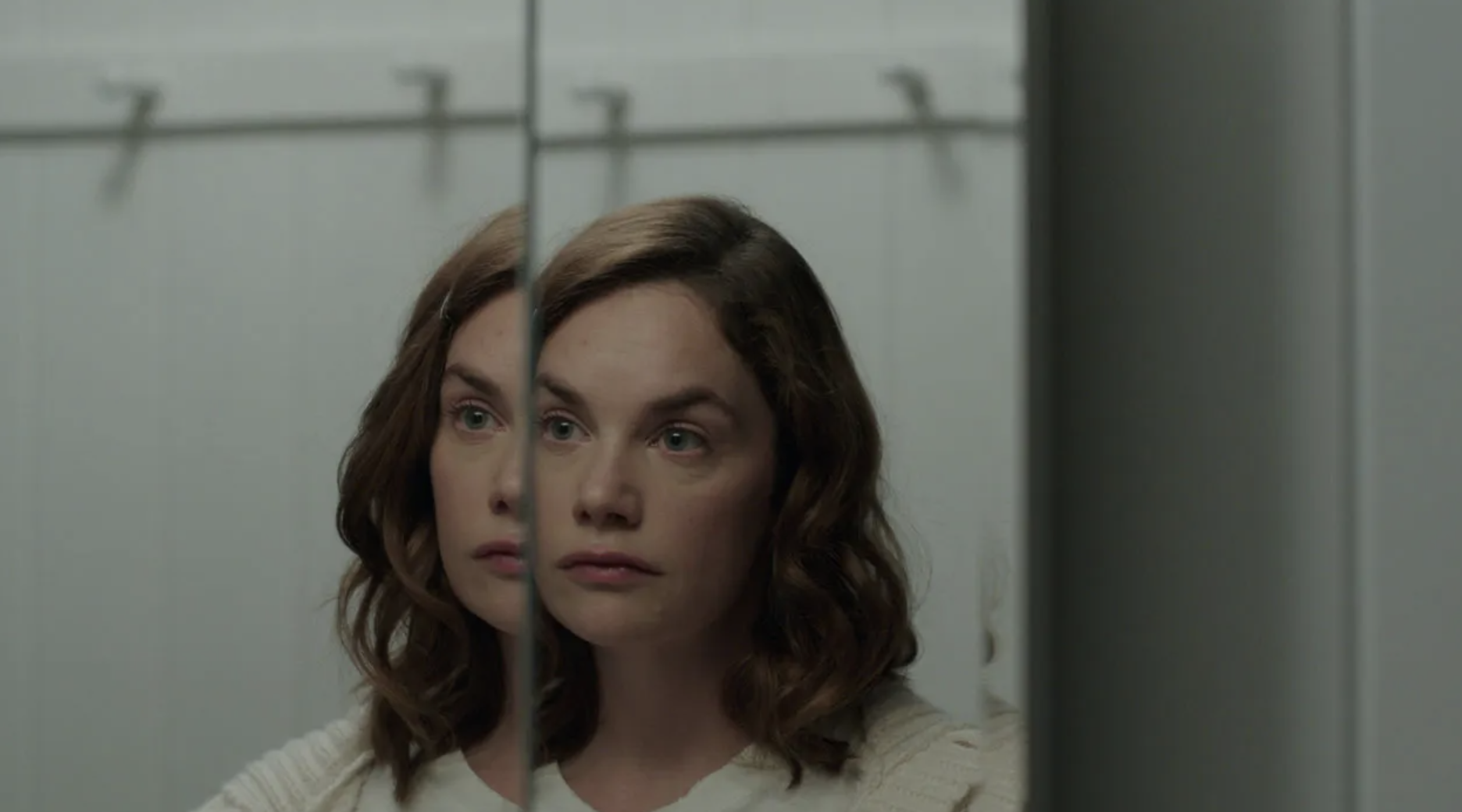
Released on Netflix in 2016, I Am the Pretty Thing That Lives in the House has a strong premise: a nurse named Lily (Ruth Wilson) takes a job caring for an ailing horror novelist, Iris Blum (Paula Prentiss, in her first role in nine years), and experiences strange phenomena, objects moving, mysterious black mold appearing, classic spooky shit.
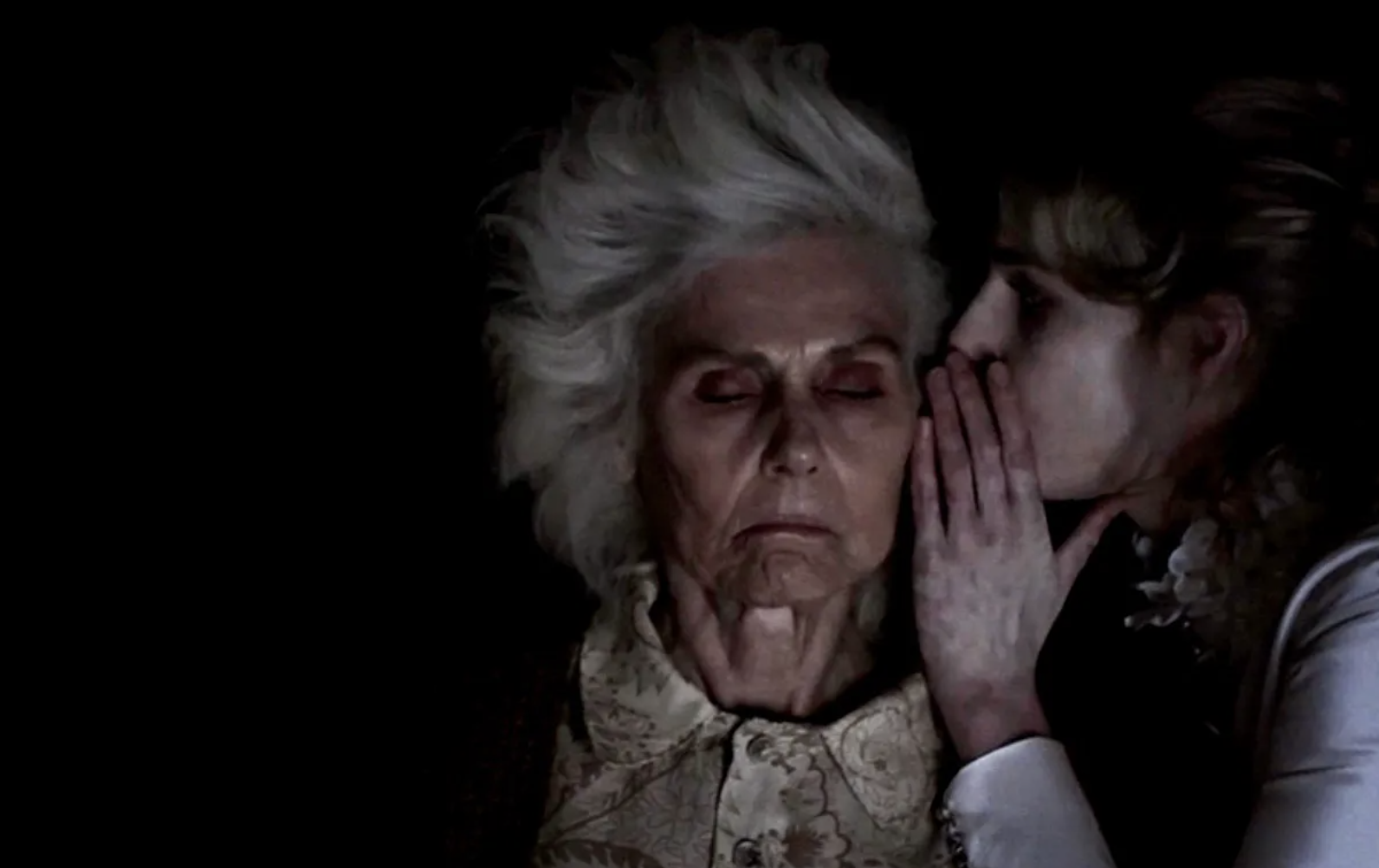
Iris calls Lily “Polly,” referencing a woman who lived in the house in 1812, murdered and buried behind the walls. This leads to Lily’s descent. Which is spoiled in the opening narration when she says, “I am 28 years old. I will never be 29 years old.” But is the house really haunted? Is it the mold? A psychotic breakdown? Or is the mold a metaphor for growing madness? The film raises questions but provides few answers.
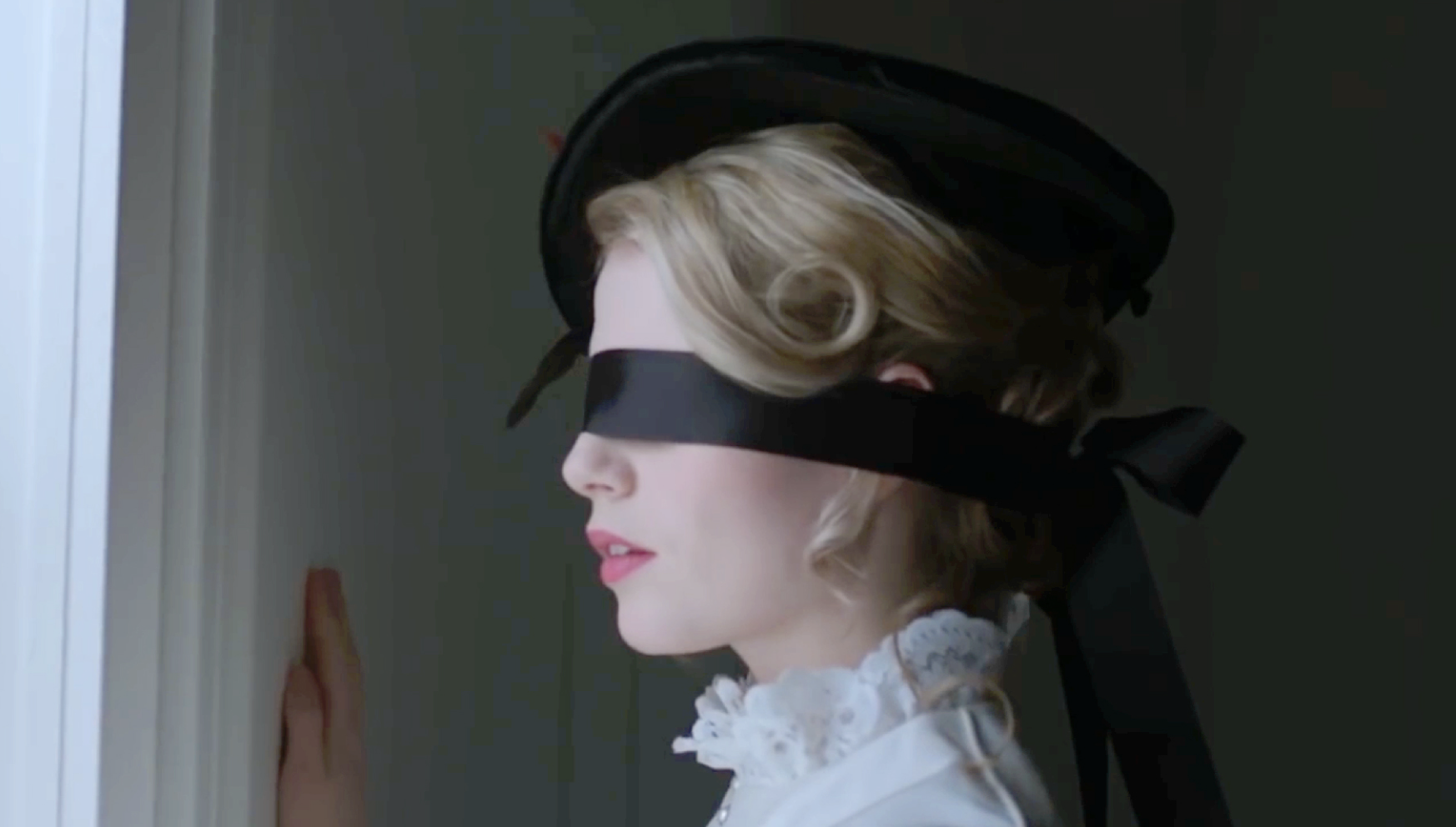
Still, like all of Perkins’ films, it’s gorgeous. The performances are strong, the tension steady, it’s a well-made horror movie. Yet the whole, “people get scared, they die, and it’s over” trajectory leaves much to be desired. Maybe that’s an unfair summarization but it’s how I felt.
I’m rooting for Perkins. He makes quality films on modest budgets that resonate with most fans and critics. That’s the model horror should follow. I wish I were a bigger fan, but I am a fan nonetheless, and I await Keeper with equal parts anticipation and reluctance. Will it be the breakout I’ve been waiting for, or just another “pretty thing in a house”?