


Alas, we bid farewell, as the Prince of Darkness has finally taken his throne in Hell. Ozzy Osbourne, who probably should have died in 2003 after being crushed by his quad bike, or in 1978 when he challenged David Lee Roth to a cocaine duel, or during his self-reported “40-year bender” that lasted until he got sober around 2018, has died.
Ozzy Osbourne wasn’t just a heavy metal legend; he was the blueprint. Without him, would heavy metal even exist? Black Sabbath invented metal. Don’t get cute and hit me with, “Well, actually, Blue Cheer predated them by several yea–” No. It’s Black Sabbath. They were the first to unleash the down-tuned, chugging riffs after Tony Iommi lost the tips of his fingers. They had Geezer Butler’s lyrics about generals gathered at their masses and lumbering Iron Men, Bill Ward’s bong-rattling drum beats, and the paranoid, unhinged vocals of a man who sounded like he’d truly stared into the void: Ozzy Osbourne.
I’ve never been a big metalhead, more of a tinhead. I respect metal, but sludgy riffs and songs about evil wizards aren’t my go-to when walking my dog on a sunny day through the park. So how did I become a Sabbath fan? Horror movies were my window into the band, but the grooves, the riffs, and especially the melodies were the foundation that made me stay. The melodies of Ozzy Osbourne.
Ozzy didn’t play any instruments. He rarely even wrote his own lyrics. But his melodies, that’s what made him special. A self-proclaimed Beatlemaniac, Ozzy used this influence to craft emotional, singable vocal lines over doom-laden guitars. It’s the reason he had classic rock staples in the ’70s, ’80s, and ’90s, regardless of what legendary axman was following him onto the rock ‘n roll battlefield.
I’ve spotlighted some of these rock staples before, reviewing the first two Sabbath albums and Ozzy’s solo debut Blizzard of Ozz here on the blog. So it was a no-brainer to turn to No More Tears for our Mildly Pleased memoriam to the “Godfather of Heavy Metal”.
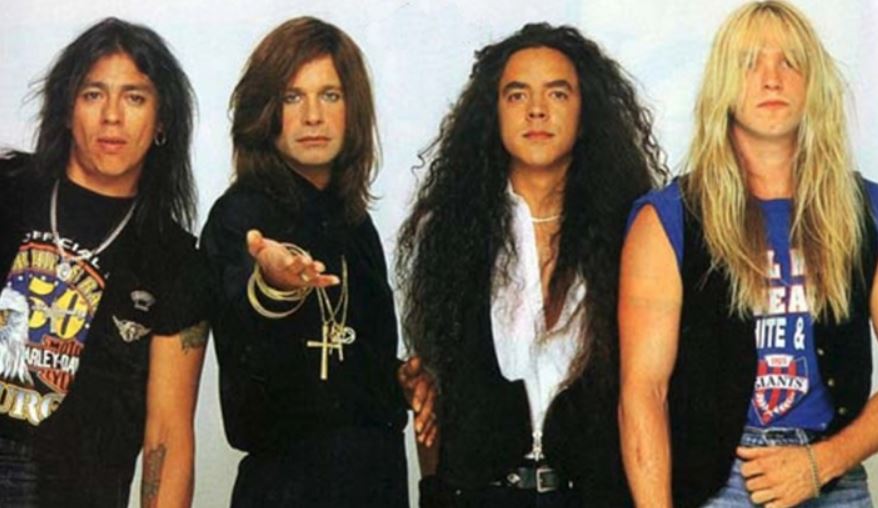
Released in September 1991, No More Tears was Ozzy’s sixth studio album and his second with what’s considered the most popular iteration of his backing band. His collaborators on No More Tears include “Guitar Hero character come to life” Zakk Wylde, drummer Randy Castillo, bassist Bob Daisley, and keyboardist John Sinclair.
And I would be remiss not to mention rock legend Lemmy Kilmister, who wrote lyrics for four of the album’s eleven tracks, including the Grammy-winning “I Don’t Want to Change the World” and Ozzy’s biggest solo hit, the tender ballad “Mama, I’m Coming Home,” which reached No. 28 on the Billboard Hot 100.
I’ve never been a fan of the overproduced, bloated, and too-slick-for-its-own-good metal of the ’90s, so I was hesitant to throw on No More Tears. But again, I had to remind myself, this is Ozzy. Ozzy is a talented tunesmith. Honestly, if these songs had been recorded in the ’70s with a warm analog sound, dryer drums and crunchy guitars, this album would be an all-time classic instead of just a solid album. But what do I know? This record went 4x Platinum. Fans and critics alike already consider it an all-time classic.
The album kicks off with the off-kilter “Mr. Tinkertrain,” featuring a sing-songy glockenspiel that quickly gets steamrolled by chugging guitars. The song is about a child predator and plays like the score to a dark carnival ride. It’s like a Stephen King short story in song.
“I Don’t Want to Change the World” kicks in next like a back-alley brawl, bursting with Ozzy’s I-don’t-give-a-fuck attitude. “Tell me I’m a sinner, I’ve got news for you. I spoke to God this morning, and He don’t like you,” Ozzy snarls. It feels like a song you’d hear at the end of a ’90s action movie where guys with big muscles and babes gun down bad guys with big guns.
“Mama, I’m Coming Home” follows with a folksy sway as Ozzy sings of regret, aging, and returning to the one person who never gave up on him: his longtime wife, Sharon. A staple of MTV and rock radio, “Mama, I’m Coming Home” has become Ozzy’s signature ballad. There’s a reason it was the only non-Blizzard of Ozz solo track he played at his final show.
We get another sing-along shredder in “Desire” before the album’s title track (and my personal favorite), “No More Tears.” Opening with a grunge-infused Mike Inez bassline (Bob Daisley played it on the recording), followed by a pounding Randy Castillo beat and angelic keys from John Sinclair, “No More Tears” is Gen-X catnip at its finest.
At over seven minutes, “No More Tears” includes an instrumental break led by Sinclair’s melancholic, Supertramp-esque keys, followed by a swell of orchestral strings before falling back into that signature bassline. I was going to write, “You can definitely tell this is an album that came out in a post-Use Your Illusion world,” but I’m reading now that both albums came out on the same day. There was something in the water back then, huh?
The back half of the album is more standard metal fare. I’m a fan of “Hellraiser” because it makes me think of my good buddy Pinhead, but otherwise, there’s nothing quite as momentous as the opening tracks.
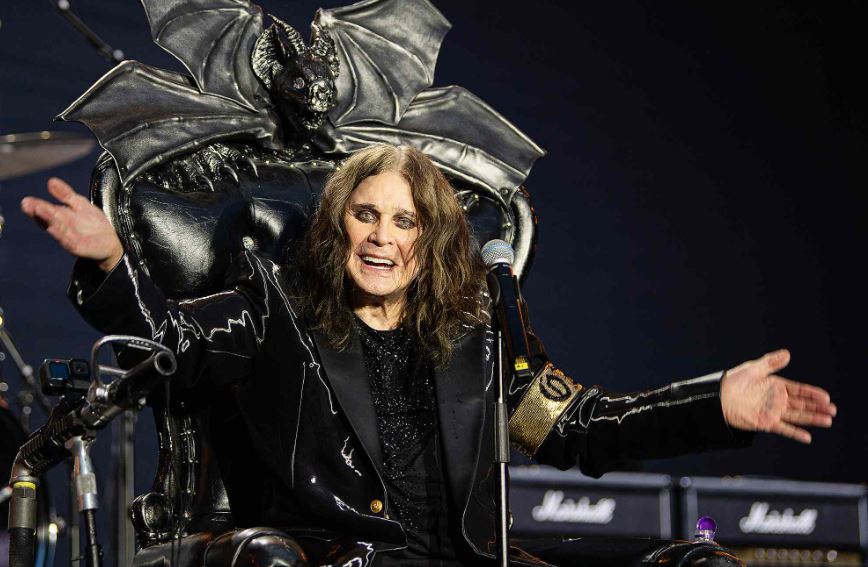
No More Tears bridged the gap between Ozzy’s solo madman years and his end as a recording titan. Ozzy never fell off the top of the heavy metal mountain, but after founding Ozzfest in 1996 and becoming a reality TV star in the 2000s, his latter career was more that of an elder statesman than a rock-and-roll warrior. Still, he had that demon in him. Look at the footage from Ozzy’s farewell concert. Does that look like a guy who’s ready to die? Hell no. Never say die. Ozzy is forever, so let’s celebrate.
No more tears.
Favorite Tracks: “I Don’t Want to Change the World,” “Mama, I’m Coming Home,” “No More Tears”