



The 33rd Academy Awards (1961)
Nominations: 5
Wins: 3
Three years ago, I watched Burt Lancaster in the 1968 film The Swimmer and was blown away. There’s something about Burt’s raw physicality and charisma, but also his vulnerability, that captivated me in that performance. His character, Ned Merrill, is this charming, handsome, confident guy, but as we delve deeper, we discover he’s actually a scared, depressed, and much darker figure than we were led to believe.
The character of Elmer Gantry is similar in that he projects confidence and thoughtfulness, but the real Elmer is conniving and self-centered. It’s a façade that we see through right from the beginning, as do many of the characters in the film, yet people can’t seem to look away. He creates a “cult of personality,” which makes watching this film in 2025 eerily relatable.
Based loosely on Sinclair Lewis’s 1927 novel of the same name, Elmer Gantry tells the story of a hard-drinking huckster making his way across Prohibition-era America. He falls for a traveling revivalist preacher, Lady Falconer (Jean Simmons), and joins her movement for personal gain.
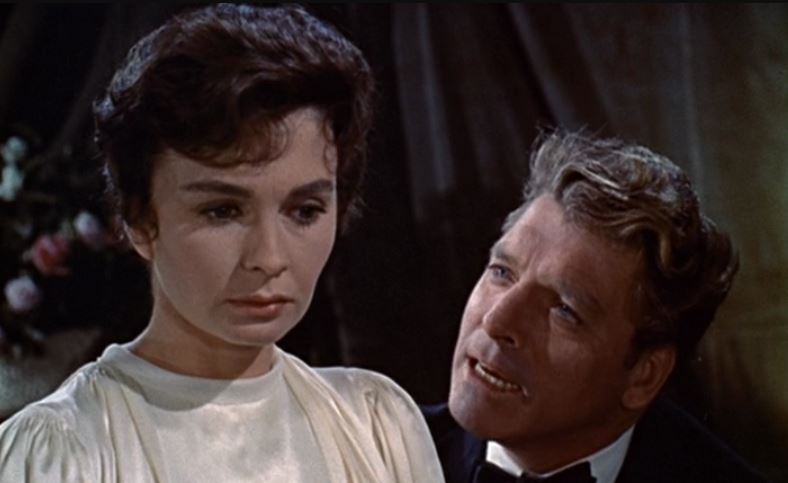
Despite having no professional background in the church–and in a way, being a huckster herself–Lady Falconer is devoted to her faith, while Elmer uses it to get what he wants: money, women, and adoration. Elmer weasels his way into Lady Falconer’s movement purely through lies and flattery. He questions the turnout and success of her traveling-tent revivals, and ultimately, she lets him preach alongside her.
While Lady Falconer preaches the enlightened path of Christianity, Elmer is all fire and brimstone. You know the classic, “Y’all are sinners! Y’all are going to Hell!” kind of preacher. People like him because he’s sensational, he runs around, jumps, and even brings a chimp to a meeting to mock evolution. A real piece of shit.
Traveling alongside the movement is a journalist, Jim Lefferts (Arthur Kennedy), who doesn’t buy into Elmer’s shtick for one second and writes articles exposing him as a fraud. That’s one aspect I enjoyed about Elmer Gantry, so many people see through his bullshit, yet he remains in power. The characters who are part of the Christian movement believe Elmer is important because he makes Christianity popular, and they have to compete with the entertainment industry.
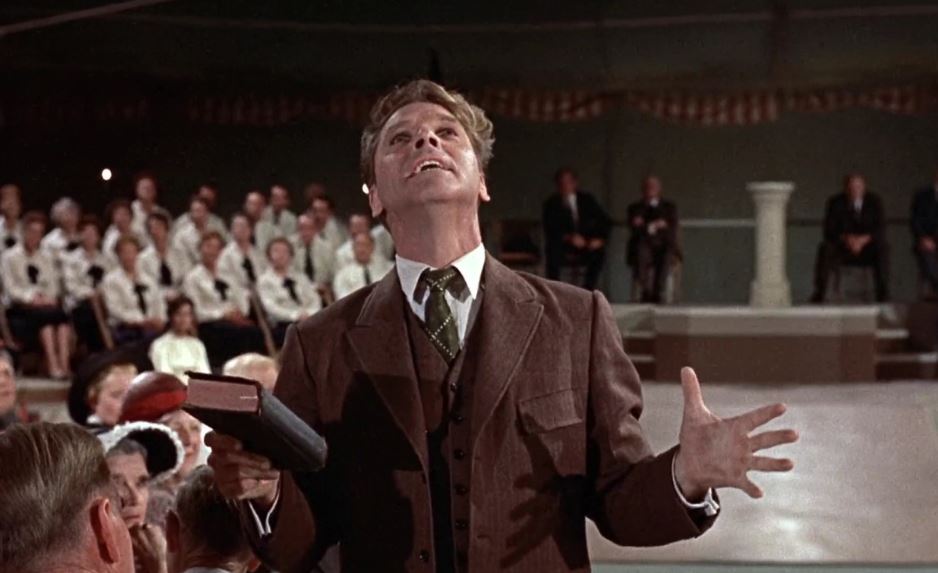
It’s PAINFUL how much this reminds me of Trump. People know he’s a liar, they know he’s the exact opposite of Christian values, but because he makes the movement he aligns himself with popular, everyone falls in line.
Elmer is untouchable, until his sordid past comes back to bite him. Lulu Bains (Shirley Jones), a prostitute who used to be a respected preacher’s daughter, became a pariah in her community after an affair with Elmer. When Lulu hears that Elmer has become a successful preacher, she seeks revenge. She meets up with him and has a photographer secretly capture their steamy get-together (they just kiss).

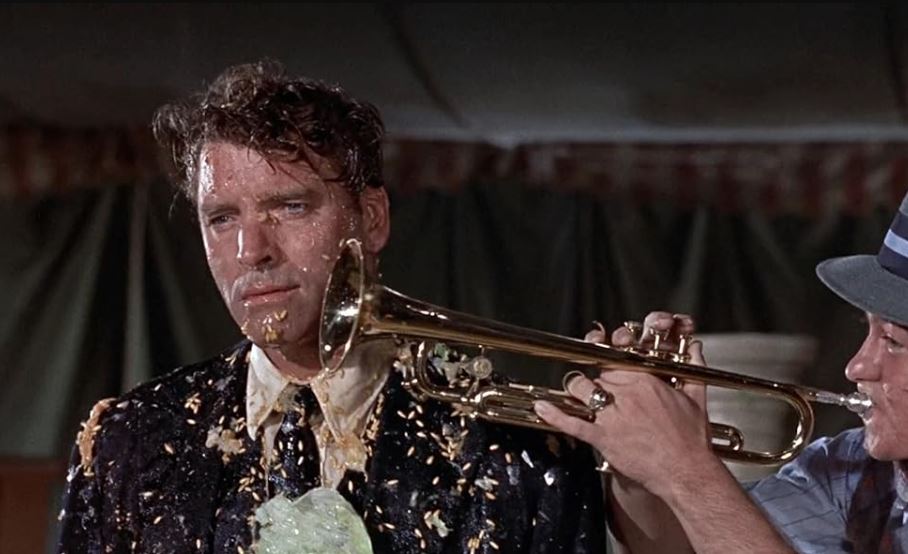
Lulu threatens to release the photos unless Elmer and Lady Falconer give her $25,000. Lady Falconer brings the money, but Lulu refuses to take it, and the photos are published anyway. Elmer is branded a charlatan. The revival show’s attendance takes a hit, and those who do show up only do so to toss eggs and expired produce at him. Also, one guy plays a trumpet right up in his face. I don’t know about you, but I can’t think of a more annoying form of mockery.
Here’s where the movie loses me a little. Lulu attends one of these failed revival shows and feels so guilty she storms off. She heads back to her brothel, only for her pimp to beat her for not handing over the $25,000. Then, Elmer shows up and saves Lulu, who then goes public with the claim that she was framing Elmer.
I’m not interested in any kind of redemption for Elmer. From what we’ve seen up to this point, he’s completely self-serving. Even his love for Lady Falconer, who he may love, was built on a lie. Yet we get this weird face turn (opposite of a heel turn). Luckily, the movie redeems itself in its fiery climax.
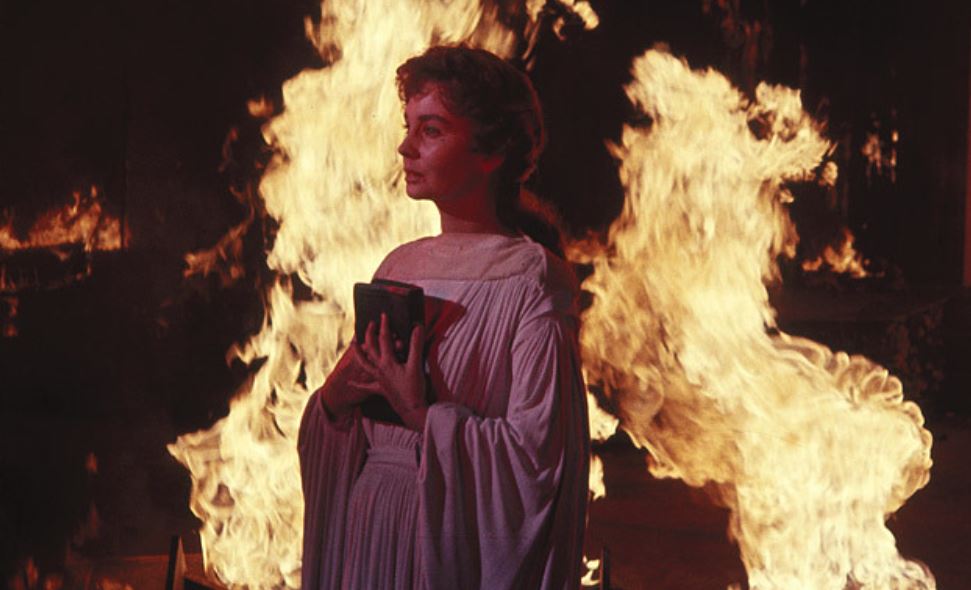
Did I say “fiery”? Yeah, I did, because there’s a fire. After the scandal, Elmer loses his passion for preaching. He tries to convince Lady Falconer to join him in a life away from the revival movement, but she refuses and carries on her “mission.” Then, in a turn of events, a fire breaks out at one of Lady Falconer’s events after she claims she has cured a man’s deafness. Lady Falconer dies in the fire, and so does her movement.
The next day, Elmer arrives at the site’s smoldering remains and leads a spiritual gathering with her followers. He’s asked to carry on Lady Falconer’s mission, smiles, and walks away clutching his Bible. I like this ending because it’s implied that Elmer will return to preaching, but we’re not sure if he’s doing it because of his faith or because of the attention. I like to believe it’s for the attention, and that Elmer has fallen back into his wicked ways. The quote, “Evil can never truly hide itself,” comes to mind. I was wondering if that quote is from the Bible, but I think it’s from Jekyll and Hyde. Potato, potahto.
Elmer Gantry reminds me of movies like A Face in the Crowd and There Will Be Blood. All three are about power-hungry figures who climb their way up the ladder through charm and manipulation. Elmer Gantry is a rich character, which is why Burt Lancaster’s performance landed him his lone Oscar win for Best Actor. Shirley Jones won a well-deserved Oscar for Best Supporting Actress, and writer/director Richard Brooks won Best Adapted Screenplay.

If anything, Elmer Gantry makes me want to explore more of Burt Lancaster’s career. He may have looked like the ultimate Chad, but he was a versatile actor, great at playing nice guys, naughty guys, or naughty guys who pretend to be nice. Well, at least he’s handsome and not a fucking orange Cheeto of a man. You know who I’m talking about.